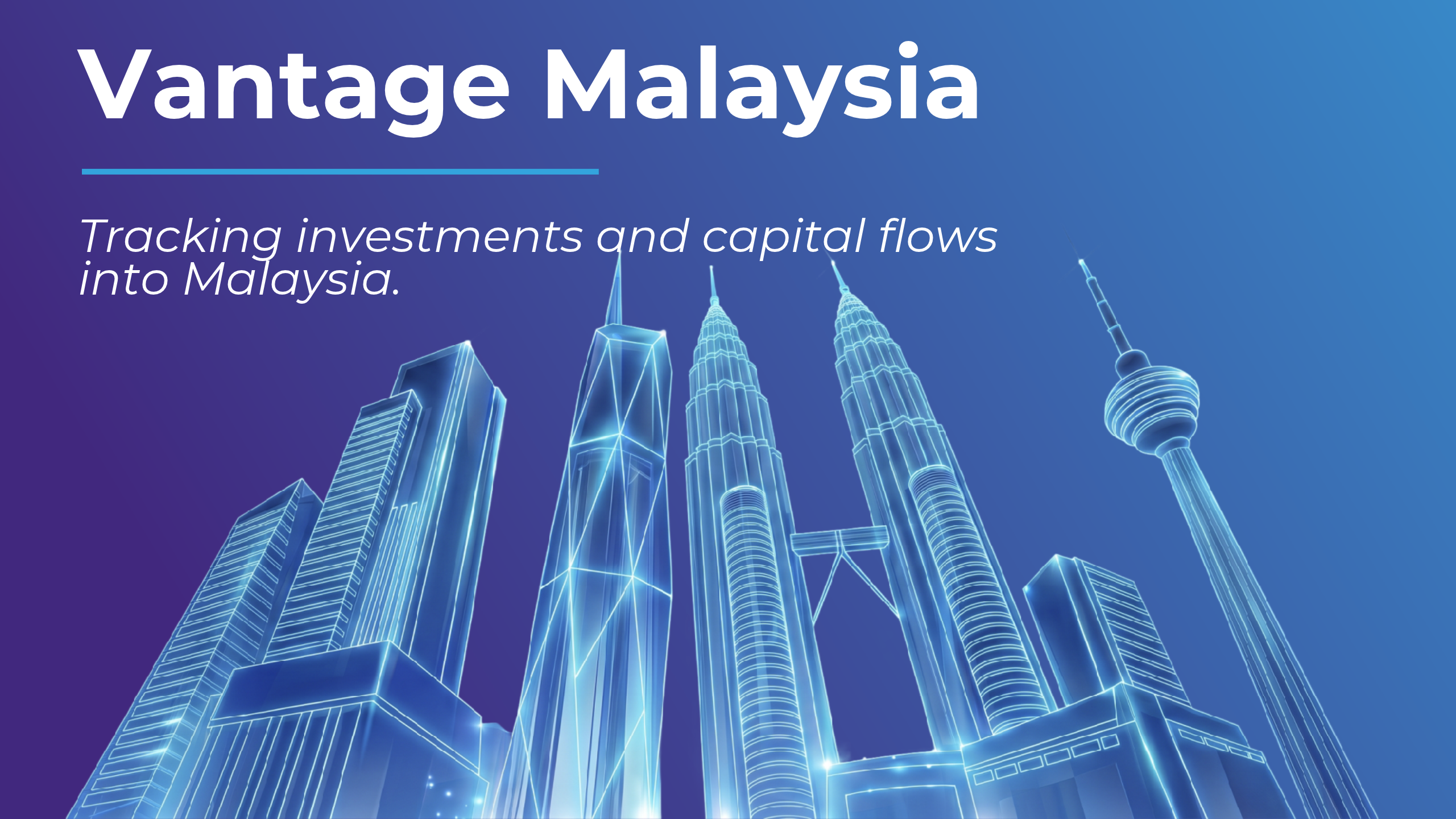
Vantage Malaysia: Where tech giants come to play
Detailed summary
Malaysia found itself holding something the giants increasingly needed: space to grow. Malaysia had been dealt a good hand. It then made sure investors could play theirs by…
With roughly 36 million people and a $472-billion economy, the country has neither Indonesia’s population nor India’s economic heft. But what it lacks in sheer size, it is making up for in the scale of its visitors’ ambitions. The biggest names in technology are coming to play, and they are bringing sizeable cheques.
Just last week, Google arrived with a $15-billion investment plan, building on the $2-billion commitment it announced in 2024. It plans to deploy that sum over 2027–2028, expanding its digital infrastructure with new data centre campuses in Selangor and Negeri Sembilan, alongside initiatives in clean energy, water security and skills development.
A few days later, SoftBank and Grab stepped forward with their plans. Together with PETROS, they proposed $1.85 billion in initial seed capital under joint development agreements for AI infrastructure across Sarawak and Peninsular Malaysia.
The agreements put some scaffolding around an ambition Prime Minister Anwar Ibrahim outlined in October, when he said SoftBank founder Masayoshi Son had selected Malaysia for $50 billion in technology investments.
The playground already has some familiar occupants. Microsoft announced a $2.2-billion commitment over four years in 2024. Amazon Web Services plans an estimated $6.2-billion investment through 2038. Oracle has announced plans to invest more than $6.5 billion in a Malaysian public cloud region.
Including Google’s latest pledge and the SoftBank–Grab–PETROS proposal, those projected commitments alone exceed $31.75 billion, or roughly RM129 billion, nearly twice the net foreign direct investment Malaysia attracted across its entire economy in 2025. The commitments span several years, but their scale is striking for a country with a relatively modest home market.
Malaysia’s appeal owes something to a neighbour running short of room.
When Singapore put new data centres on hold between 2019 and 2022, the demand for computing space did not politely wait.
Johor had room to build…
Opening of the article, excerpted from DealStreetAsia. To read the rest, open the article on the publisher's site.
MarketNews shows the headline and summary published by the outlet. The full article is on the publisher's website. (www.dealstreetasia.com)