Design the neighbourhood, not just the crossing
详细摘要
The Fifth Estate - Safe crossings mean little if the journey there remains hazardous. Ray Wills and Peter Newman argue for precinct-wide street design – anchored by 30km/h speed…
Safe crossings mean little if the journey there remains hazardous. Ray Wills and Peter Newman argue for precinct-wide street design – anchored by 30km/h speed limits, continuous accessible routes, and accountable People Safety Commissions – to prioritise people over through-traffic.
Our call for People Safety Commissions, prompted by Western Australia’s Kelly’s Law, was about preventing harm before a first collision. The neighbourhood is where that principle should become a design standard.
Spinifex is an opinion column. If you would like to contribute, contact us to ask for a detailed brief.
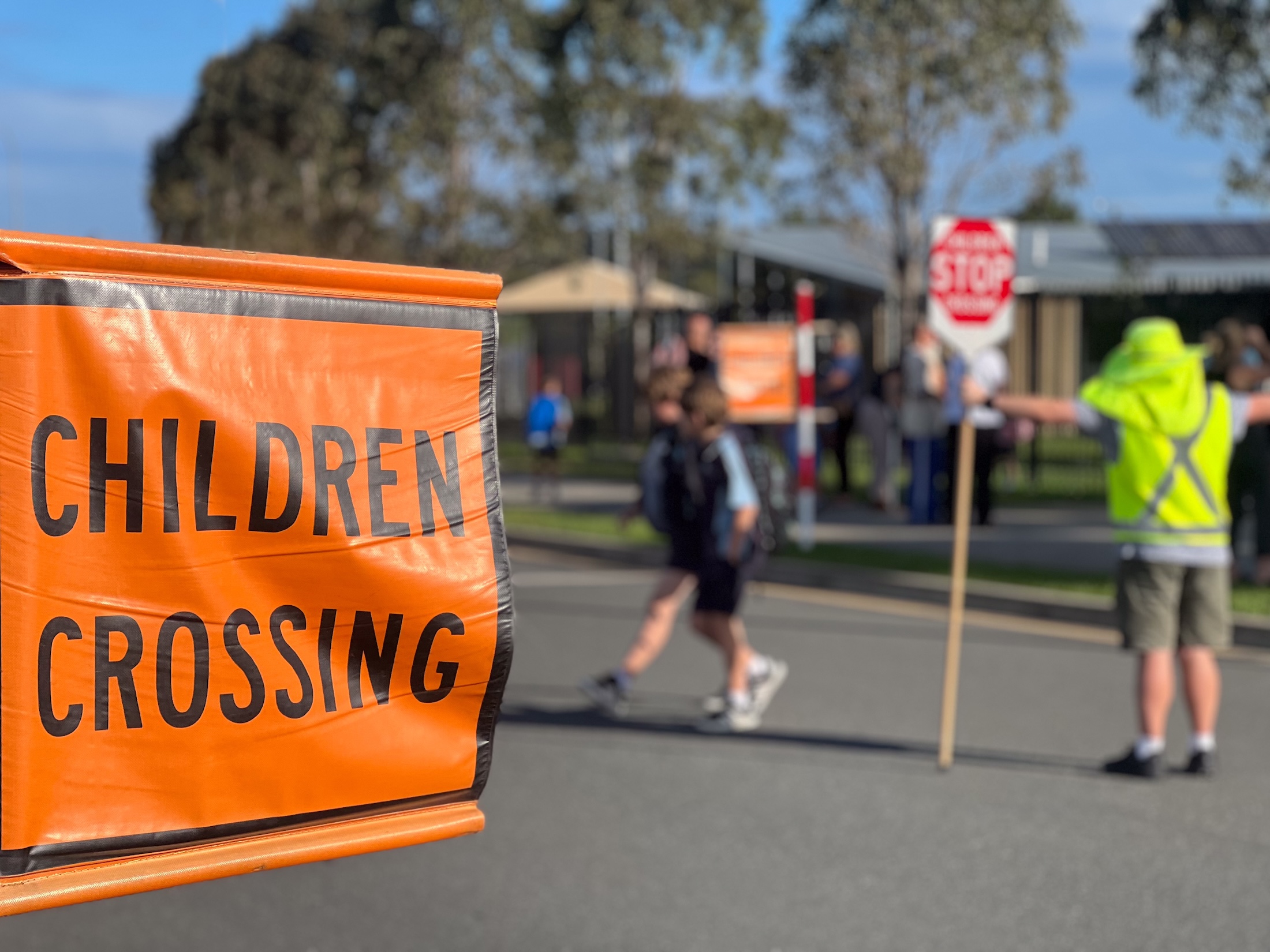
A school can have a supervised crossing while the streets leading to it remain difficult to cross.
A station can have an accessible platform while the route from home contains missing footpaths and hostile intersections that prioritise cars.
Our article on Western Australia’s Kelly’s Law included our reiterated call for People Safety Commissions.
A safe entrance or isolated crossing is not enough. Protection must extend along the routes connecting homes, schools, shops, parks and public transport.
This is not a new planning idea. Gehl Architects’ 2009 Perth study revisited earlier work on public spaces and public life, examining the pedestrian network, comfort and access alongside the quality of the city’s public realm.
The principle of placemaking remains powerful: streets serve the places where people live. Moving vehicles is just one function, not the sole purpose. On neighbourhood streets, permission to drive through is not a right to dominate.
文章开头,摘自The Fifth Estate。如需阅读全文,请前往媒体网站。
MarketNews 仅展示媒体发布的标题和摘要,全文请在出版方网站阅读。 (thefifthestate.com.au)