The canary in the coalmine about Australia’s fertility rate
Résumé détaillé
The shortage of children that's squeezing childcare will move through the rest of society, and it may change how we think about building our cities. The post The canary in the…
Nobody likes commercial childcare centres — they’re a necessary but flawed industry. It would be easy to celebrate recent news of their significant financial woes, but it also points to an issue about Australia’s fertility rate.
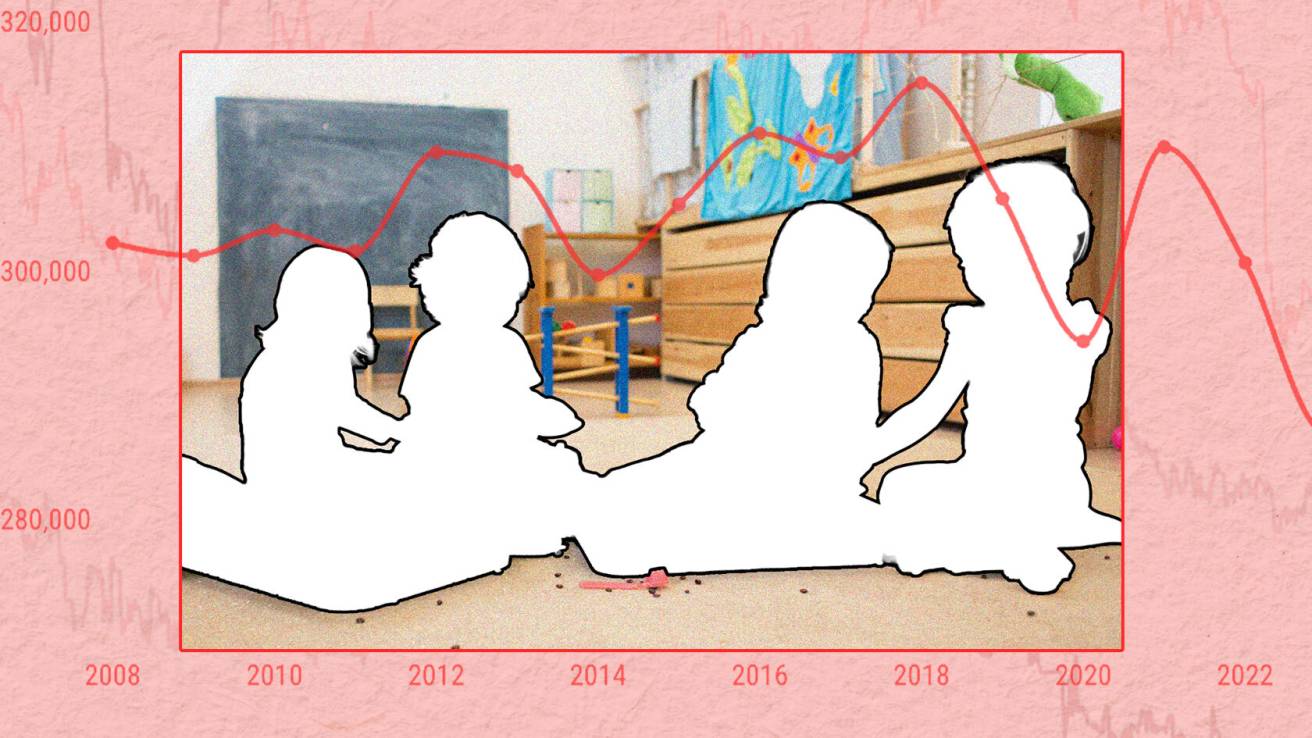
One of the big childcare providers, G8, is closing up to 40 centres due to “low occupancy”. It is not the only childcare provider with problems, as the next chart shows.
There are some company-specific factors in the mix here. But the industry is struggling to overcome them because of an overarching problem: lack of demand growth. Enrolments have fallen since 2023, with the ABS saying the lift in 2025 is due to delayed data processing.
Australia’s birth rate is in decline. Our population keeps growing: more and more adults. But the number of babies is falling. So far, this is more or less economically fine. But the effects will seep into our society little by little. The childcare sector is merely the first to notice.
The fall in young people shows up first in childcare centres, then in schools, and then in the workplace. This latter shortfall can be made up with migration, but the future of our migration program is far from certain. Political tension and community anger over migration means that bringing in enough migrants to fill the gaps may not be feasible.
By continuing, you agree to our Terms & Conditions and Privacy Policy.
The government’s most recent intergenerational report is very focused on the ratio of old people to working-age people — who will nurse the aged? Those issues are still a way off. At the moment the concern is too many working-age adults with not enough children to nurse.
Australia’s fertility rate is down sharply, with many more households starting to have kids — and having fewer — far later. I have two children, still young. Almost none of their friends have two brothers or sisters, and many have no siblings at all.
The story is simple in aggregate. But the details? The details are surprisingly diverse.
Début de l'article, extrait de Crikey. Pour lire la suite, ouvrez l'article chez le média.
MarketNews présente le titre et le résumé publiés par le média. L'article complet se lit sur le site de l'éditeur. (www.crikey.com.au)