Global energy crisis sharpens Africa's push for electricity access
Résumé détaillé
The global energy crisis has intensified the shift toward renewables, but Africa faces challenges in converting vast solar potential into reliable power and…
The global energy crisis has sharpened the case for reducing dependence on imported fossil fuels and accelerating the shift towards electricity and renewable energy.
But for Africa, where hundreds of millions lack electricity, the challenge is turning its vast renewable resources into reliable, affordable power.
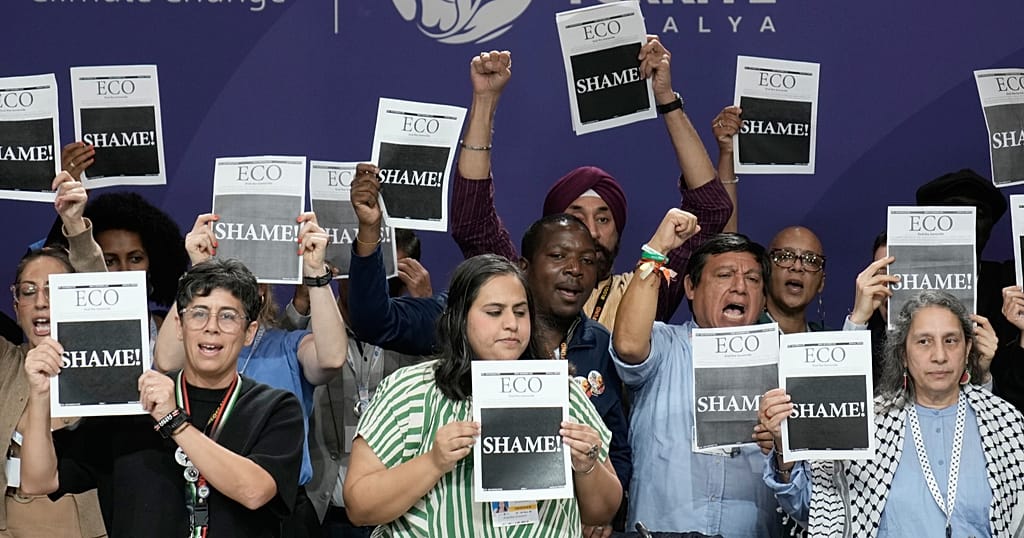
“The disruption to energy flows through the Strait of Hormuz in 2026 has been the largest energy supply shock that the world has faced and — as of November — it is not over,” warns the International Energy Agency’s World Energy Outlook 2026, released on Thursday at COP31 in Türkiye.
According to the IEA, the duration of the disruption will determine whether it produces temporary market adjustments or lasting changes to energy policy.
Countries are looking to diversify energy supplies, prioritise domestically available resources and accelerate electrification. Energy security and the energy transition “have never been so closely aligned”, IEA executive director Fatih Birol said.
The crisis has hit developing economies in Africa and Asia-Pacific particularly hard, compounding concerns about fuel prices and food security, the report says. Although access to electricity and clean cooking accelerated in 2025, higher fuel prices and supply shortages this year risk slowing further progress.
The report describes a longer-term shift towards the “Age of Electricity”. Global electricity demand has climbed by 3.3% a year since 2019, outpacing economic growth and more than doubling the rate of growth in total energy demand.
The shift is being driven by industrial electrification, electric vehicles, appliances, air conditioning and the expansion of data centres. Twenty-five countries have announced new electrification-related policies since February.
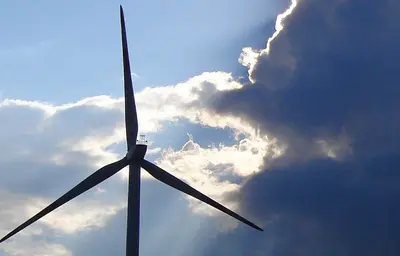
Africa is home to about 60% of the world’s best solar resources, yet accounts for only 1% of installed solar photovoltaic capacity.
Début de l'article, extrait de Mail & Guardian. Pour lire la suite, ouvrez l'article chez le média.
MarketNews présente le titre et le résumé publiés par le média. L'article complet se lit sur le site de l'éditeur. (mg.co.za)