Eisenkot’s ‘disaster bloc’ edges closer to Israel’s next government
Detailed summary
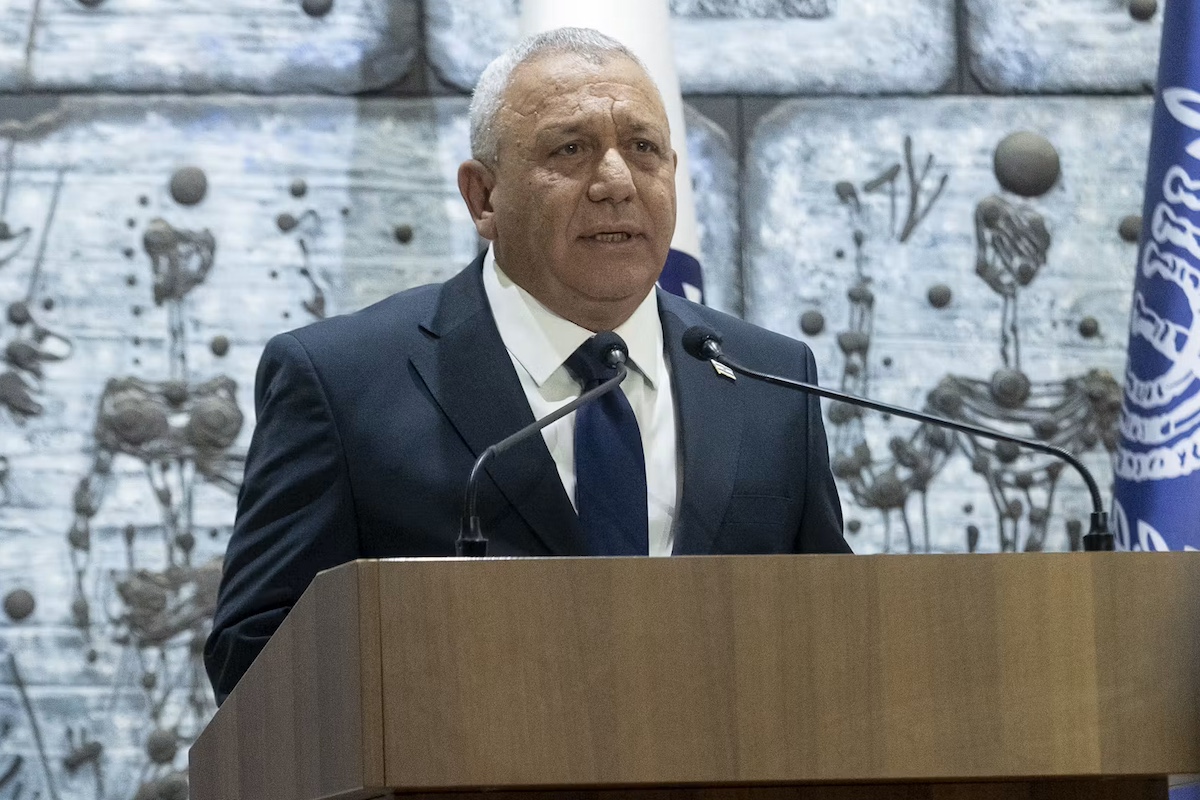
On Sunday, Israeli President Isaac Herzog announced he would grant Gadi Eisenkot – main challenger to Prime Minister Benjamin Netanyahu – the opportunity to form a new government…
On Sunday, Israeli President Isaac Herzog announced he would grant Gadi Eisenkot – main challenger to Prime Minister Benjamin Netanyahu – the opportunity to form a new government in Israel.
It followed almost a fortnight of political gridlock, after what has been called the “most consequential election in Israel’s history” failed to produce a clear winner.
Eisenkot now has 28 days (with a possible 14-day extension) to attempt to convene a stable coalition government. He’ll have to bring together a deeply divided opposition.
Even if he succeeds, his government will face major challenges – including keeping his coalition together, a changing relationship with the United States, and escalating violence in the West Bank.
In Israeli elections, it is standard practice for the president to formally nominate who should bring a coalition government together. This does not have to be the leader of the party that has secured the most votes – in this case, Netanyahu.
Israel’s voting system is intrinsically geared toward producing coalition governments. The country has never had a one-party government.
Netanyahu’s Likud party won the highest number of seats in Israel’s election on October 27. But his coalition lacked the 61 seats required for a majority in Israel’s 120-seat parliament.
The parties in opposition to Netanyahu – led by Eisenkot – also lacked the numbers to form a governing coalition.
Meanwhile, the two Arab-majority parties representing the interests of two million citizens of Israel (the Joint List and Ra’am) received 19 seats between them – more than ever before.
Opening of the article, excerpted from Asia Times. To read the rest, open the article on the publisher's site.
MarketNews shows the headline and summary published by the outlet. The full article is on the publisher's website. (asiatimes.com)