How a feminist lens is shaping my climate reporting (commentary)

Résumé détaillé
In university, I took a unit called Environmental Journalism, taught by one of my favorite lecturers. I paid enough attention to pass, but certainly not enough to imagine it…
In university, I took a unit called Environmental Journalism, taught by one of my favorite lecturers. I paid enough attention to pass, but certainly not enough to imagine it becoming a beat I would want to report on. I could not picture myself willingly sifting through scientific research papers, trying to understand ribosomes or learning about yet another strange species discovered somewhere in the sea. So, when I passed the unit, I thought that was it. Science be damned. I went on to pursue what I was passionate about: women. Their health, economies, livelihoods, rights and the ways power shaped their lives.
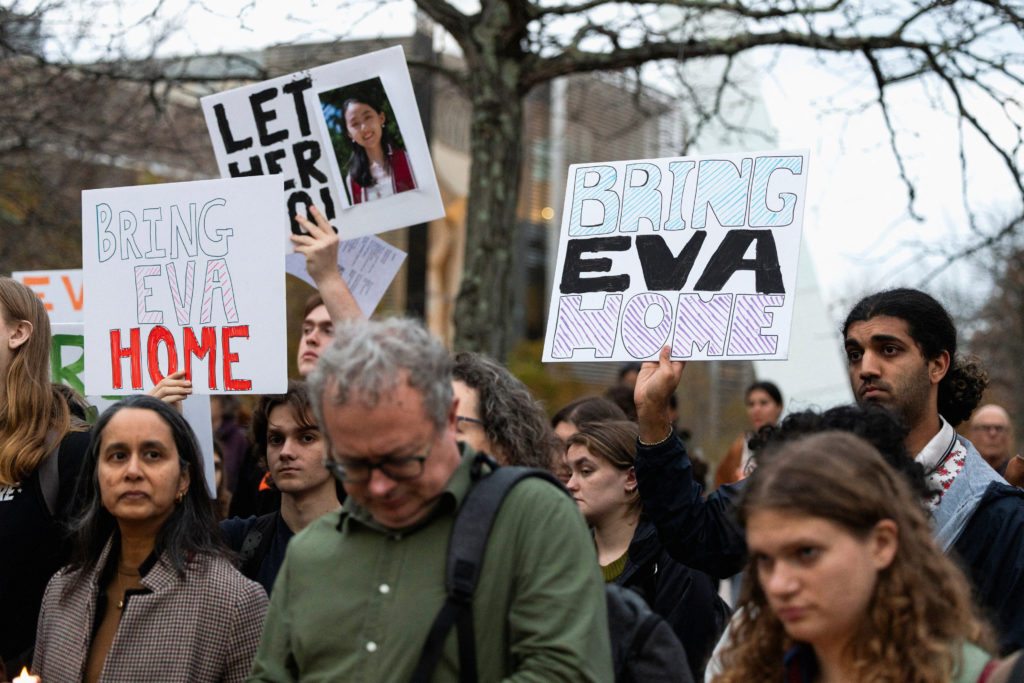
In June 2024, after torrential floods had damaged parts of Nairobi, I attended a focus group discussion in Kibera as part of conversations about women’s experiences of climate change. The women spoke about the floods, but they also described the extreme heat they endured in iron-sheet homes where temperatures could become unbearable. Some talked about the strain of heat, long hours of manual labor and the frustrations that followed, and how these pressures affected their moods and relationships.
Those accounts stayed with me because women described how environmental conditions entered the most intimate parts of their lives: their homes, bodies, relationships, safety and ability to earn a living. Their accounts were not evidence that heat causes violence, but they raised questions that I had not previously thought to ask as a journalist. Research is beginning to examine some of these connections. A study by Martin Habets, a researcher at the European University Institute, used temperature and domestic violence data from Mexico City and found that reports of domestic violence increased on warmer days, with stronger effects in poorer neighborhoods.
The conversation with the women in Kibera changed something for me. I began to understand that the environment was not some distant scientific subject.
Début de l'article, extrait de Mongabay. Pour lire la suite, ouvrez l'article chez le média.
MarketNews présente le titre et le résumé publiés par le média. L'article complet se lit sur le site de l'éditeur. (news.mongabay.com)