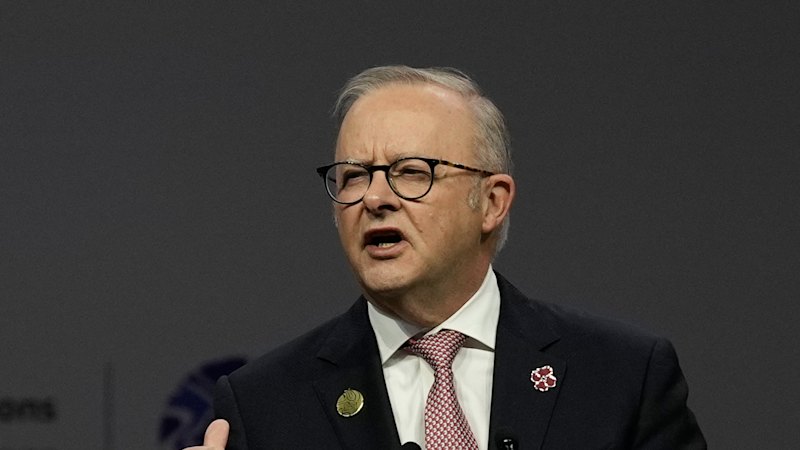
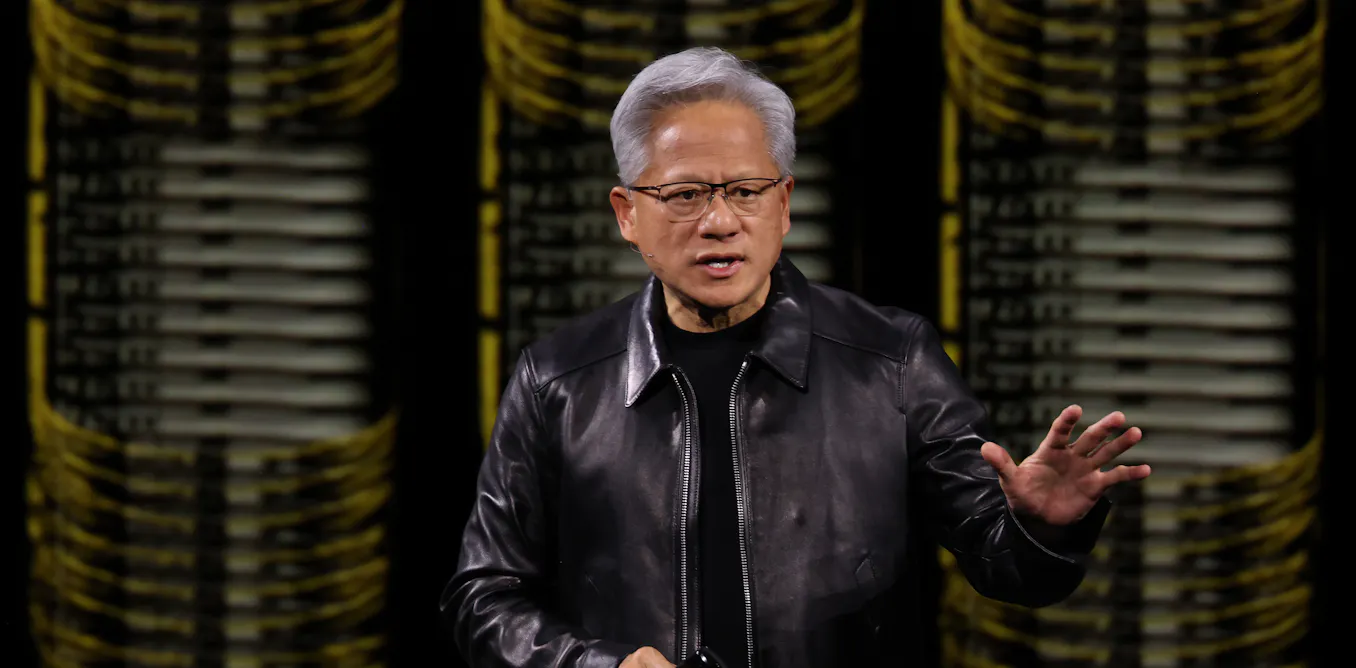
Why is Nvidia so powerful in the AI world, and what could Jensen Huang’s scandal really cost?
Résumé détaillé
A tech CEO’s affair with a suspected Chinese spy is rocking the AI industry.
Jensen Huang, the chief executive and co-founder of chipmaking company Nvidia, recently admitted to an extramarital affair. However, it’s not just a tabloid story: the woman involved, Alice Huang, has been accused of being a Chinese intelligence agent.
Computer chips – specifically the chips used to produce and run artificial intelligence (AI) systems – have become a key front in the United States’ rivalry with China for geopolitical power and influence. The most powerful chips are needed for the most advanced AI, and the US has tried to maintain its edge over China by restricting access to those chips.
While the Chinese government rejects claims of espionage, Alice Huang has reportedly been under investigation by the US for years.
So what’s so special about Nvidia? What’s in it for China? And if Jensen Huang goes down, what else could go down with him?
Nvidia is the world’s biggest supplier of the high-end chips used for AI and data centres, with some estimates putting its market share over 80%.
The now multi-trillion-dollar company got its start making chips called graphic processing units (GPUs), used largely for video games. However, these chips – and their successors – turned out to be ideal for the kind of number-crunching needed for training and using AI models.
Other companies such as Google and AMD have tried to make chips that can compete with Nvidia for speed and efficiency, however neither has been able to displace Nvidia from its dominance of the AI market.
As a consequence, Nvidia has played a key role in the US government’s strategy to stall China’s development of AI. Sales of Nvidia’s most powerful chips to China have been restricted since 2022 – though the restrictions were somewhat relaxed last year.
However, Chinese enterprises have repeatedly tested the boundaries of US sanctions. Southeast Asian companies including Megaspeed, Alice Huang’s former employer, have been accused of buying up Nvidia chips and exporting them into China.
Début de l'article, extrait de The Conversation AU. Pour lire la suite, ouvrez l'article chez le média.
MarketNews présente le titre et le résumé publiés par le média. L'article complet se lit sur le site de l'éditeur. (theconversation.com)