Why we can’t stop looking at dogs – and they can’t stop looking back
Detailed summary
We were all creatures of the earth, born of flesh and blood and grown on milk. To watch the newborns begin to drink from Mash’s teats with an efficiency somehow already known to…
When I was a child, my parents liked all our dogs to have pups. Sometimes the litters coincided and we would have 20 or so puppies stomping through various bowls of porridge dotted about our old orchard block. One of my earliest memories is when one night, as the youngest, and therefore smallest, member of the family, I was asked to climb into the narrow underworld beneath the house to check on one of our cocker spaniels, Mash, giving birth to her latest litter.
I lay flat on my belly watching on as the tiny eye-shut creatures slipped into the world in clear plastic-like sacs of maternal film. My eyes widened at how mucky and wet and yet magnificently slick it all was, and, as Mash began to lick the coats of her babies clean, I think I understood that the membrane dividing my species and hers was likewise pretty flimsy indeed.
We were all creatures of the earth, born of flesh and blood and grown on milk. To watch the newborns begin to drink from Mash’s teats with an efficiency somehow already known to them was to understand, in that dark yet luminous childhood space under the house, how connected the world really is.
Because dogs are by far our oldest domesticated animal companions, they have been furnishing us with these kinds of everyday revelations for many thousands of years.
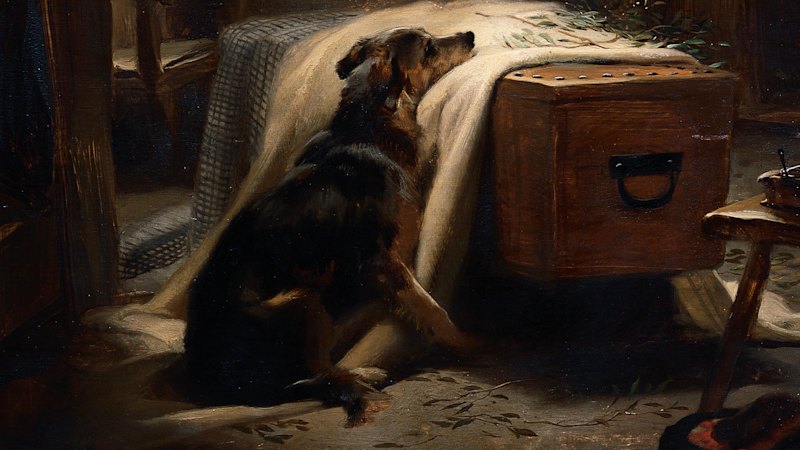
In Thomas Laqueur’s new book, The Dog’s Gaze, he traces the specific roles dogs have played in the history of Western art where, at least since the Paleolithic images on the walls of the Chauvet cave in the Ardéche region of France, they have been the chief companion species of our pictorial imagination. Interestingly, no dogs are actually depicted among the animals on the Chauvet walls. Instead, Laqueur tells us, on the floor of the cave are the “traces of canid pawprints next to human footprints made as they stood together c. 25,000 BCE and looked at art from c. 10,000 years earlier”.
So there they stood, as companion species, the dog and the human, and so it continues.
Despite being limited…
Opening of the article, excerpted from The Sydney Morning Herald. To read the rest, open the article on the publisher's site.
MarketNews shows the headline and summary published by the outlet. The full article is on the publisher's website. (www.smh.com.au)