Scientists Discover a Neuron That May Play a Role in Schizophrenia
Detailed summary
Among those cells is a newly identified rare subtype of neuron potentially associated with the genetic risk of developing schizophrenia. The new map, which took 10 years to…
A new 3D map of the brain's movement center is already generating discoveries.
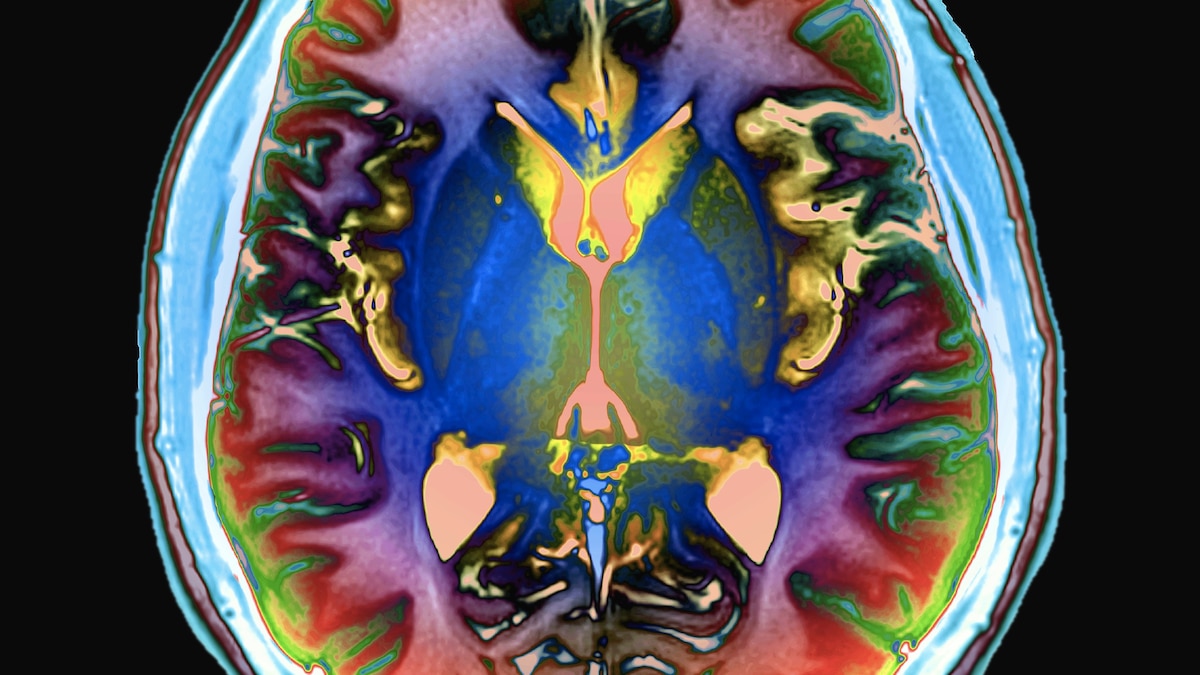
A variety of psychiatric diseases—schizophrenia, depression, and addiction—have roots in part of the brain typically associated with movement known as the basal ganglia. Neuroscientists aren’t sure exactly how dysfunctions become disease or which specific nerve cells are involved, but a new map of the region’s cells and their genes could help solve those mysteries. Among those cells is a newly identified rare subtype of neuron potentially associated with the genetic risk of developing schizophrenia.
The new map, which took 10 years to create, is part of an effort by hundreds of scientists around the world who are trying to create a detailed 3D genetic map of the brain. The effort, known as the BRAIN Initiative Cell Atlas Network, has been likened to the Human Genome Project, and the basal ganglia was their first step. The results were published November 12 in a collection of nearly 30studies in the journal Cell.
The special neuron potentially connected to schizophrenia is “a great example of the types of observations that can be mined from this incredibly rich dataset,” says neuroscientist Talia Lerner at Northwestern University who was not involved in the work. But at the same time, she says, “follow-up studies would be needed to better understand the link to disease.”
Scientists focused on the basal ganglia because they wanted to better understand what types of cells make up its structures, how similar they are between humans and other primate species, and whether identifying their characteristics could help researchers better understand psychiatric disorders.
“The biggest gap in the community is the lack of a common understanding of how many cell types are in the human brain and whether we ever have gained a comprehensive understanding or not,” says Hongkui Zeng, a molecular and cell biologist who is the executive vice president of the Allen Institute.
To make the map, the researchers…
Studyi…
Opening of the article, excerpted from National Geographic. To read the rest, open the article on the publisher's site.
MarketNews shows the headline and summary published by the outlet. The full article is on the publisher's website. (www.nationalgeographic.com)