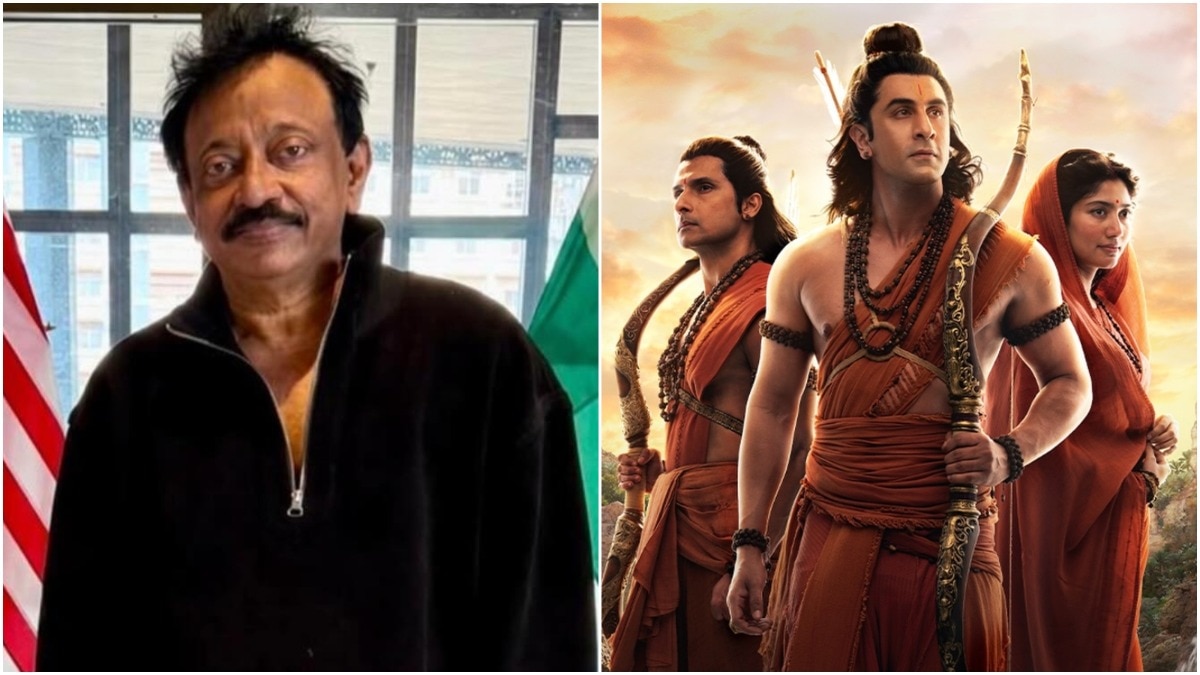
Ram Gopal Varma predicts Ramayana 2 will be 10 times bigger than Part 1
Résumé détaillé
Ram Gopal Varma has backed producer Namit Malhotra's strategy after Ramayana crossed Rs 1,200 crore worldwide. The director believes the sequel could earn ten times more than the first instalment.
Filmmaker Ram Gopal Varma renewed his praise for Ramayana: Rise of a Legend as the film crossed the Rs 1,200-crore mark worldwide within 10 days of its theatrical run. In a lengthy post on X, he backed producer Namit Malhotra’s financial strategy and predicted that the film’s second part would earn 10 times as much as the first.
Varma, who has watched the film twice and earlier called it the “Taj Mahal of cinema”, said its theatrical performance could allow Malhotra to recover the cost of the first instalment, or possibly both parts, through the first film itself. He also dismissed criticism surrounding the reported budget and said the money spent on creating the world of Ramayana would generate assets for the sequel, gaming and other ventures.
Varma began his latest post with an anecdote about his mother. “Even for the best of my films, she didn’t do this, but my mother has been buying tickets for Namit Malhotra’s Ramayana for the servants, watchmen and others in the building complex where she lives,” he wrote.
He said the enthusiasm around the film had helped it break box-office records and put it on course to become what he described as the “biggest hit ever in Indian cinematic history”. However, he said some people continued to argue that its collections were insufficient because the two films had reportedly cost Rs 2,000 crore each, taking the combined budget to Rs 4,000 crore.
Varma claimed that the actual cost of the first part was slightly below Rs 800 crore. He said this figure included mutually beneficial deals, global tax benefits and subsidies that would eventually reduce the cost further. According to him, any reasonably experienced filmmaker could tell by watching the film that its cost could not have exceeded that amount.
He also rejected the assumption that both parts would cost the same. Comparing the two films to the two halves of a single movie, he wrote, “That’s like thinking the cost before the interval and after the interval will be the same in a…
Va…
Début de l'article, extrait de India Today. Pour lire la suite, ouvrez l'article chez le média.
MarketNews présente le titre et le résumé publiés par le média. L'article complet se lit sur le site de l'éditeur. (www.indiatoday.in)