Two Iranians convicted of spying for Tehran in Britain
Detailed summary
Two Iranian men have been found guilty by a court in the UK of spying on dissident journalists in Britain on behalf of Iran's Islamic Revolutionary Guard Corps, a case police…
Two Iranian men have been found guilty by a court in the UK of spying on dissident journalists in Britain on behalf of Iran's Islamic Revolutionary Guard Corps, a case police said reflected increasing espionage activity by Tehran.
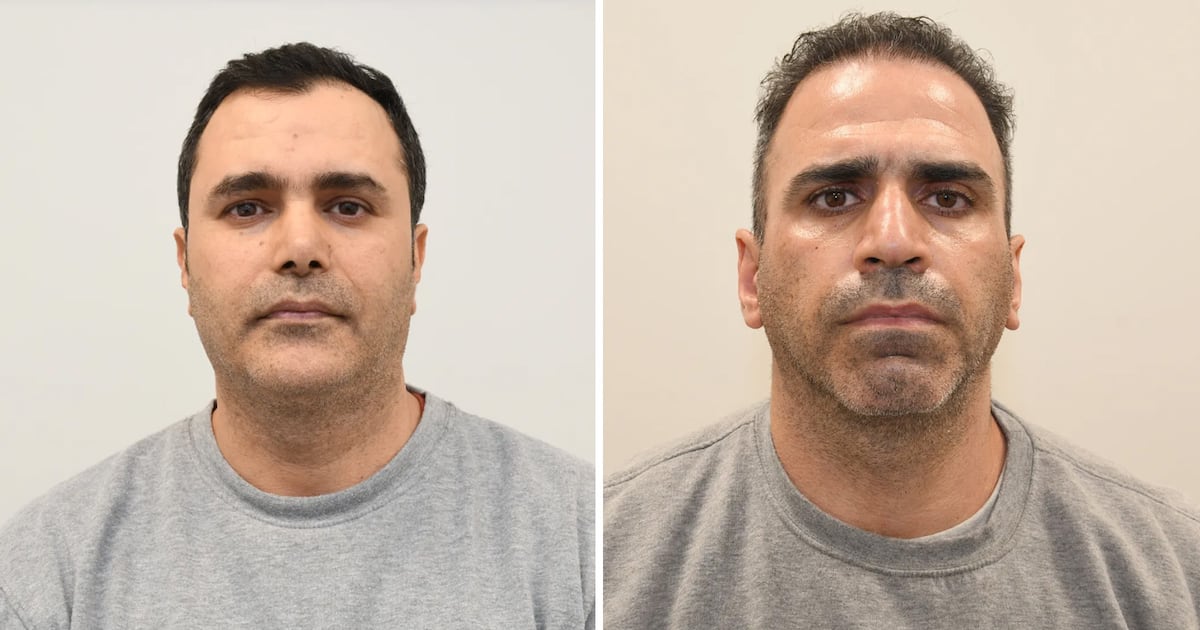
Mostafa Sepahvand, 41, was convicted at Woolwich Crown Court of two offences and Farhad Javadi Manesh, 46, was convicted of one offence under Britain's National Security Act.
Police said the convictions marked the first time Iranians had been successfully prosecuted under the National Security Act, introduced in 2023 to counter threats from foreign states including Iran, which British authorities say have risen sharply.
Vicki Evans, Britain's senior national co-ordinator for counter-terrorism policing, said Sepahvand was directed by the IRGC, or “middlemen” for Iranian intelligence, and the case “highlights the continuing and increasing threat to the UK from Iran”.
Tehran has repeatedly denied involvement in spying or any similar activity, and Iranian Foreign Minister Abbas Araghchi said he was “disturbed” by the arrests of Sepahvand and others in May 2025.
Prosecutors said at the start of Sepahvand and Manesh's trial last month that the pair had been carrying out surveillance on journalists working for Iran International, a Farsi-language television station that is critical of Iran's government, between August 2024 and March 2025.
Sepahvand’s two handlers contacted him using Iranian numbers, saved in his mobile as Mostafa Ghorbani and Amin. They gave him instructions and information that he relayed to Manesh.
In addition to offering money, the handlers promised to help “fix” a theft-related criminal case against Sepahvand in Iran. Those were his motivations.
Evidence in the case featured conversations with the handlers that often mentioned another mysterious person called “Haji”, who Sepahvand and Ghorbani believed could be working for Iran’s intelligence agency, referred to in the messages as “ettela’at”.
Opening of the article, excerpted from The National. To read the rest, open the article on the publisher's site.
MarketNews shows the headline and summary published by the outlet. The full article is on the publisher's website. (www.thenationalnews.com)