Kim’s changing calculus: What would lure him back to Trump talks?
Résumé détaillé
A potential US-North Korea summit was one of the most closely watched prospects at the APEC summit in China. Although hopes for such a meeting were dashed by Pyongyang’s refusal…
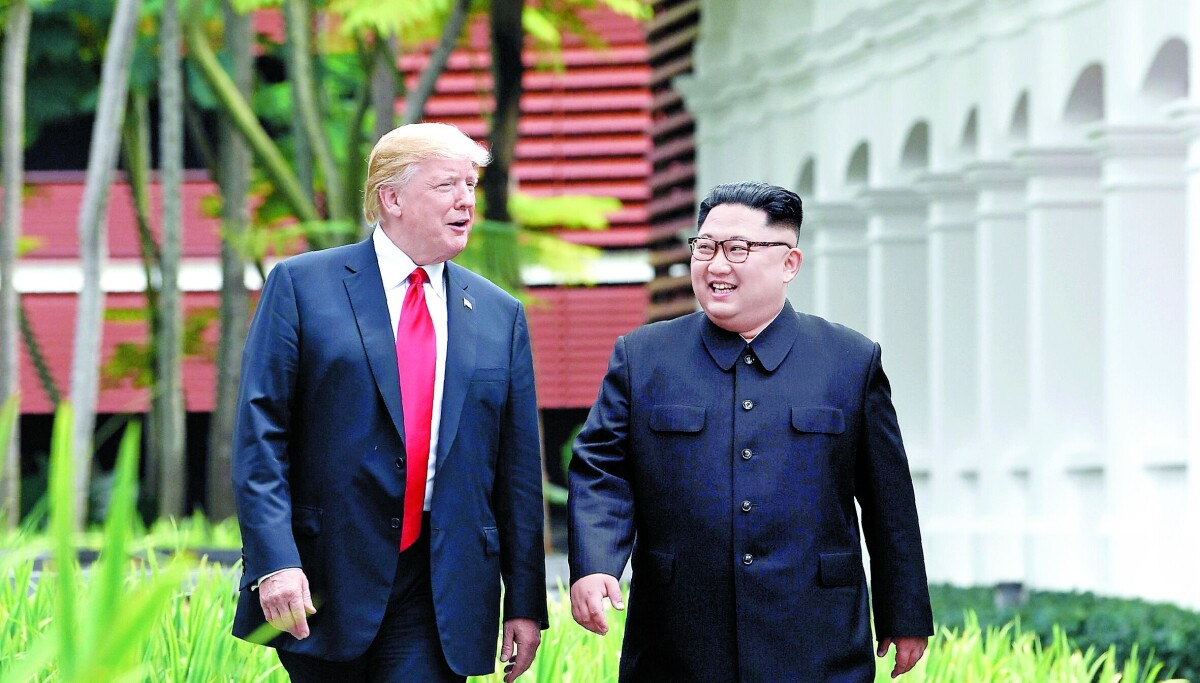
A potential US-North Korea summit was one of the most closely watched prospects at the APEC summit in China. Although hopes for such a meeting were dashed by Pyongyang’s refusal to engage, the possibility of renewed dialogue remains alive. On November 24, US President Donald Trump reopened that possibility by suggesting that his exchange of letters with North Korean leader Kim Jong Un could resume at any time.
Why, despite Washington’s repeated willingness to engage, has Pyongyang refused to return to the negotiating table? The answer lies in North Korea’s choice of “inreach” – consolidating ties within its own camp with the backing of China and Russia – over “outreach” to broaden its engagement with the international community.
Another obstacle to renewed US-North Korea talks has been the rivalry among the major powers, evident in recent summit diplomacy involving the United States, China and Russia.
While Washington was preoccupied with the struggle for global dominance and Moscow with defending its sphere of influence, Beijing focused on protecting its economic interests, particularly trade. The North Korean nuclear issue consequently slipped down the list of priorities, with no meaningful progress toward renewed dialogue between Washington and Pyongyang.
Ultimately, these competing interests among the major powers have created a strategic environment in which North Korea can secure substantial benefits without improving relations with the United States.
North Korea’s foreign policy has never been oriented toward reform and opening up. Instead, guided by its Juche doctrine of self-reliance and the overriding imperative of regime survival, Pyongyang has repeatedly adjusted the scope of its diplomacy, alternating between outreach and inreach.
Although inreach has been the dominant approach, North Korea occasionally pursued outreach around the end of the Cold War to ensure regime survival and seek new economic opportunities.
North Korea also pursued dialogue and…
Début de l'article, extrait de Asia Times. Pour lire la suite, ouvrez l'article chez le média.
MarketNews présente le titre et le résumé publiés par le média. L'article complet se lit sur le site de l'éditeur. (asiatimes.com)