How Ireland embraced 'pre-loved' e-commerce
Detailed summary
It's not surprising that Irish shoppers have an urge to get rid of stuff – statistics show we've accumulated a lot of it.
Jeans that are too tight, a leather jacket from years ago, that fabulous wedding guest dress that will never be worn again.
A few years ago, the only option for getting rid of unwanted clothes was bringing them to a charity shop, giving away to friends and family or recycle.
It's not surprising that Irish shoppers have an urge to get rid of stuff – statistics show we've accumulated a lot of it.
An average Irish household spends around €2,000 on clothes and shoes a year, according to the CSO data from 2022-2023 (since then, that figure has likely increased to around €2,500 due to inflation).
Ireland stands out among its European peers when it comes to the amount of new textiles – mostly clothes – bought each year.
According to the Environmental Protection Agency, Ireland's clothing consumption was 53 kg per capita in 2019, well above the EU average.
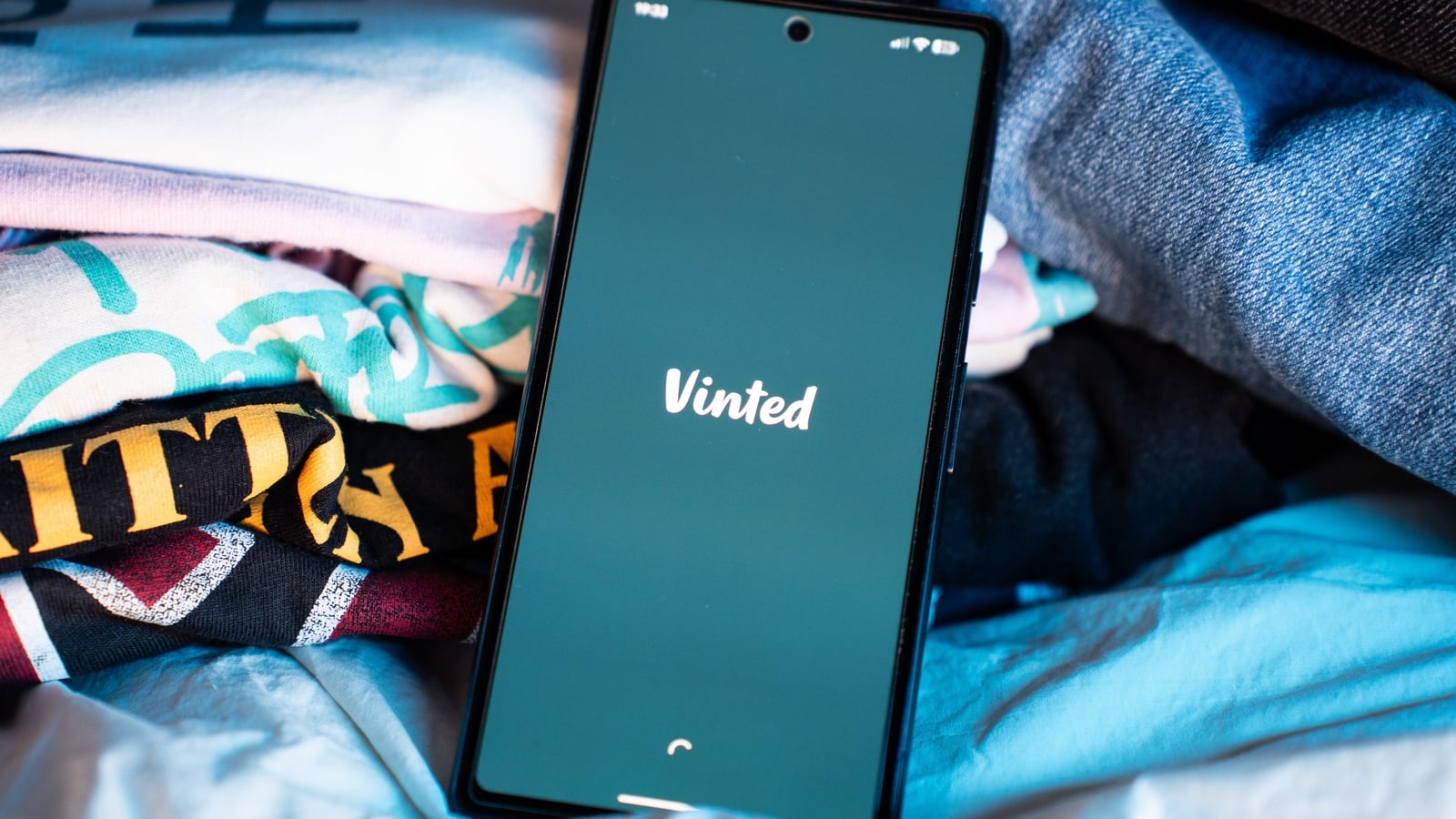
"It's like a mental load when you think about it. How many jackets or black handbags do you need?" said one user from Cork, who has sold 200 items on Vinted since last Christmas.
According to the CSO, in 2024 38% of Irish women and 25% of Irish men bought at least one secondhand item of clothing at a second-hand shop or online marketplace.
In 12 months since last May, spending in online second-hand stores like Vinted soared 197% among AIB customers.
Opening of the article, excerpted from RTÉ. To read the rest, open the article on the publisher's site.
MarketNews shows the headline and summary published by the outlet. The full article is on the publisher's website. (www.rte.ie)