Artificial intelligence, nuclear power a costly combo
Detailed summary
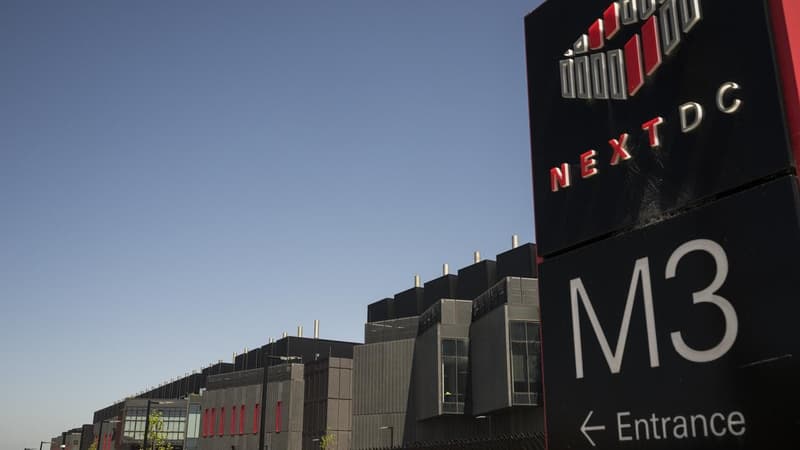
A report warns against the use of small nuclear reactors to power Australia's data centres. (Christopher Hopkins/AAP PHOTOS) Powering Australia’s growing network of data centres…
Powering Australia’s growing network of data centres with small nuclear reactors could cost between $6 billion and $11 billion more a year than using solar power, a study has found.
The technology could also take decades to deploy in Australia as no small modular reactors had been built successfully using a mass-production model.
The Australian Conservation Foundation issued the warnings on Thursday in a report examining the nuclear technology and its potential costs in Australia.
It comes days after Nationals leader Matt Canavan reiterated his call to remove Australia’s ban on nuclear power and as the federal government considers rules for data centre developments.
The report, Phantom Energy, analysed the progress of small modular reactor technology, data centre electricity demand in Australia, and figures from sources including the CSIRO, Australian Energy Market Operator (AEMO), and the Nuclear Energy Agency.
Despite calls to unlock the technology, the study found no commercial reactors had been built using the modular manufacturing methods designed to lower their cost.
Only two small plants described as small modular reactors had been built in Russia and China, and both had suffered long delays, cost overruns, and did not use modular construction.
Another five small modular nuclear projects were under way in China, Russia, Uzbekistan and Canada, the report said, but others had been abandoned in Argentina, France and the US.
The nuclear technology was not ready to meet rising energy demand from data centres, Australian Conservation Foundation campaigner Mia Pepper said, and its future was unclear.
Opening of the article, excerpted from AAP. To read the rest, open the article on the publisher's site.
MarketNews shows the headline and summary published by the outlet. The full article is on the publisher's website. (aapnews.aap.com.au)