Sending an Australian astronaut to space is expensive. How do we work out if it’s worth it?
Résumé détaillé
Spending $100 million on a single space mission in a cost-of-living crisis deserves proper scrutiny.
To “buy a seat” on a space mission, Australia has to make a financial contribution to the ESA. The precise sum is not public, but reports claim it could exceed the A$100 million mark.
There has been interest in the press and excitement among space advocates. Many are pointing out that sending a home-grown astronaut to space would yield potential benefits to industry and the nation as a whole, inspiring younger generations. There would be a powerful symbolism in sending an Australian woman to space.
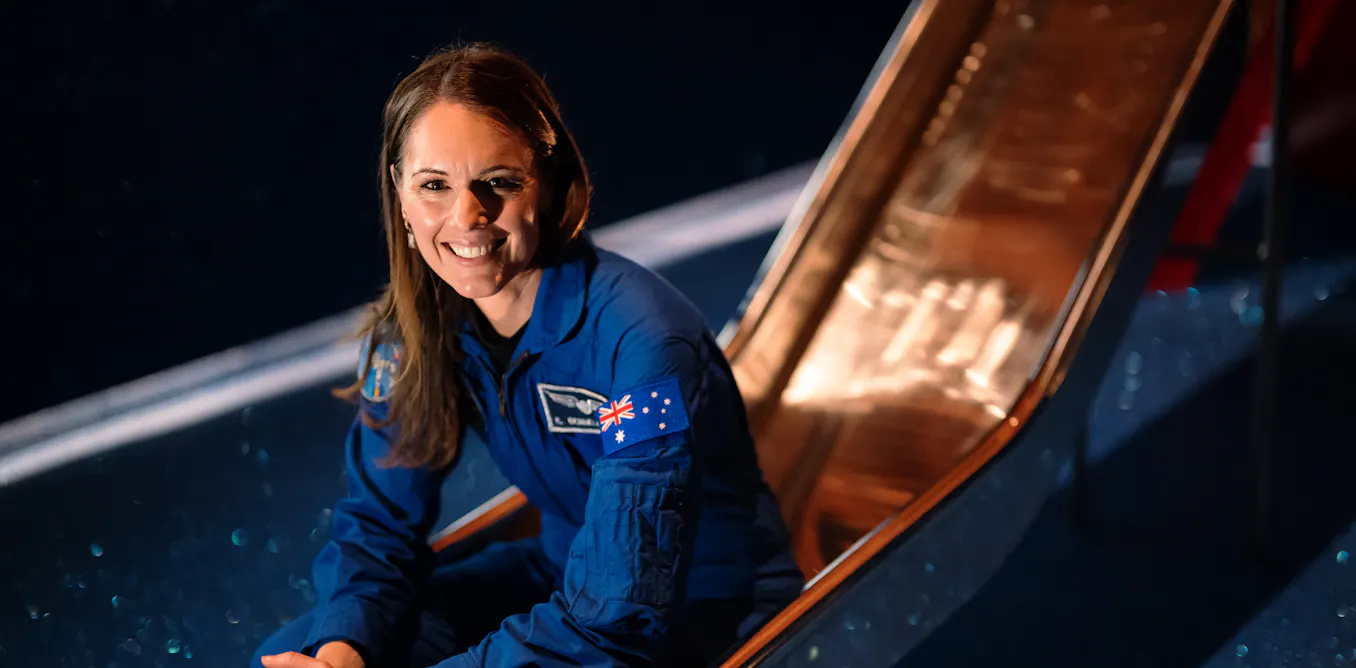
However, while human spaceflight can deliver substantial benefits, it’s costly. As we’re in the midst of a substantial public campaign to #FlyKatherine, it’s crucial to properly analyse some of the claims being made about the potential benefits of such an expensive proposal.
The discussion raises an interesting point about what constitutes an Australian astronaut. To date, five Australian-born people have flown to space, two as NASA astronauts and three privately.
The most recent was physicist Elaine Hyde, the first Australian woman in space. But her 2025 Blue Origin flight was privately funded, and she hasn’t been given the label of the first “female Australian astronaut”.
The federal government hasn’t signalled a strong interest in flying an Australian astronaut. Science minister Tim Ayres unequivocally said state and territory governments and private industry would have to pitch in. However, only South Australia has agreed to contribute; industry has pledged up to $6 million. The Northern Territory called the proposal “reckless”.
These debates are not new. In the 1980s, the Hawke government announced it would send an Australian astronaut on the space shuttle. However, then Minister for Science, Barry Jones, noted it wasn’t a high priority. Prestige and public relations were not considered reason enough when government spending was to be reined in.
We don’t know if Australians would support spending $100m on a single space mission while facing a cost-of-living crisis.
Generally…
Début de l'article, extrait de The Conversation AU. Pour lire la suite, ouvrez l'article chez le média.
MarketNews présente le titre et le résumé publiés par le média. L'article complet se lit sur le site de l'éditeur. (theconversation.com)