Explainer: What Trump's decision to halt attacks but maintain Iran blockade means for the Gulf
Detailed summary
Washington has held off fresh attacks against Iran, but the continuing naval blockade, threats to shipping and lack of peace agreement leave Gulf countries facing prolonged uncertainty
[Editor's Note: Follow Khaleej Times live blog for the latest regional developments on the US-Iran war that started on February 28]
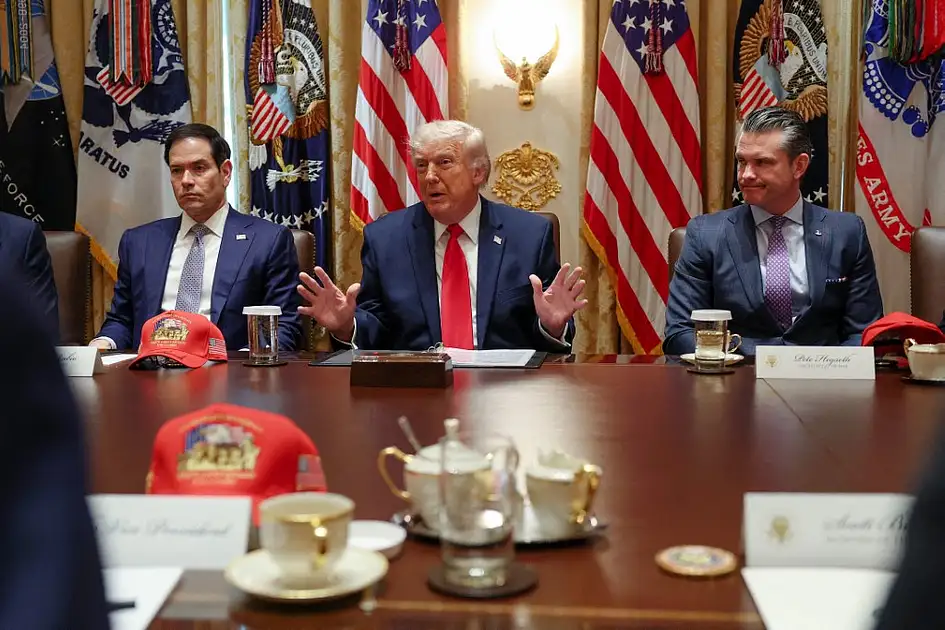
US President Donald Trump's decision to hold off on fresh military strikes against Iran has eased immediate fears of another major escalation, but the continuing naval blockade means the conflict remains unresolved.
Trump announced the decision on November 9 following appeals from Gulf countries, including the UAE, Saudi Arabia, Qatar, Bahrain and Kuwait, which he said preferred avoiding further attacks.
The announcement came as Dr Anwar Gargash, diplomatic adviser to the UAE President, warned that the region could face a prolonged period of uncertainty, with a comprehensive agreement between Washington and Tehran appearing difficult to achieve.
So, what has changed, why is the blockade continuing, and what does this mean for Gulf countries?
Trump said he would hold off on new strikes against Iran for now, while maintaining the US naval blockade and keeping American forces prepared for further military action if necessary.
The decision followed talks with Qatar's Prime Minister Sheikh Mohammed bin Abdulrahman Al Thani, who has been involved in efforts to negotiate an end to the conflict.
However, the announcement is not a permanent ceasefire or a peace agreement. It signals that Washington is avoiding a new major offensive for the time being while continuing to apply pressure on Tehran.
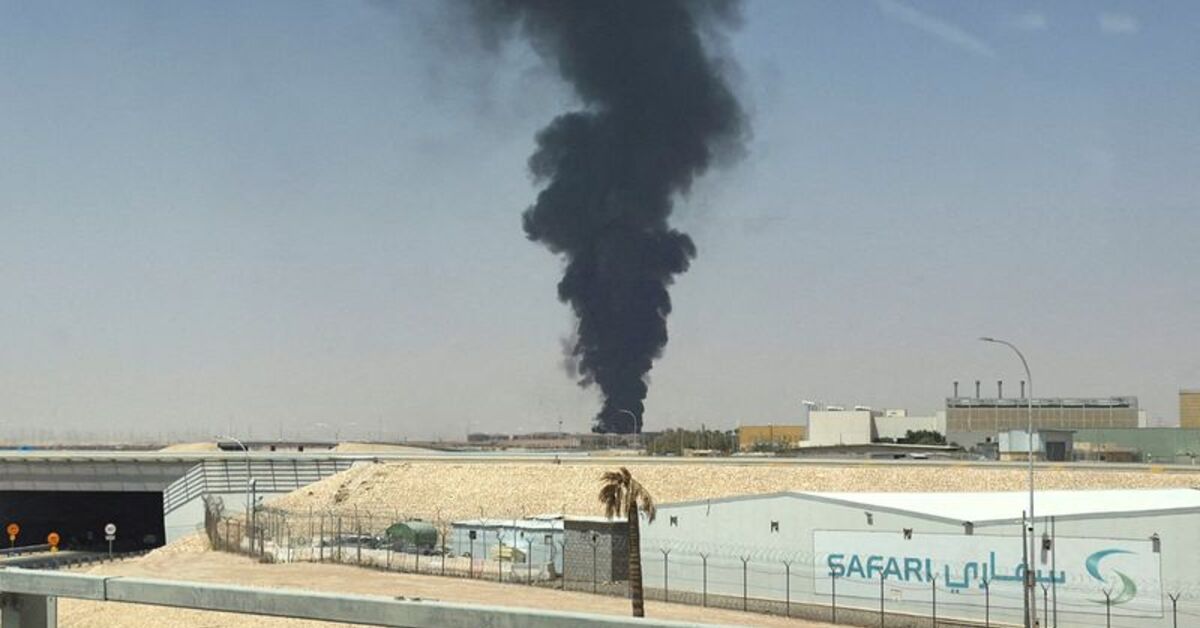
The US blockade targets maritime access to Iranian ports, while Iran has separately restricted shipping through the Strait of Hormuz.
Opening of the article, excerpted from Khaleej Times. To read the rest, open the article on the publisher's site.
MarketNews shows the headline and summary published by the outlet. The full article is on the publisher's website. (www.khaleejtimes.com)