How a world without passports might look
Detailed summary
The passport has been with us for centuries. Its earliest recorded ancestor is often traced to about 450BC, when the Persian King Artaxerxes I gave one of his subjects a letter…
The passport has been with us for centuries. Its earliest recorded ancestor is often traced to about 450BC, when the Persian King Artaxerxes I gave one of his subjects a letter requesting safe passage through lands beyond the Euphrates. Now, almost two and a half millennia later, the humble travel document might just be approaching the end of its useful life.
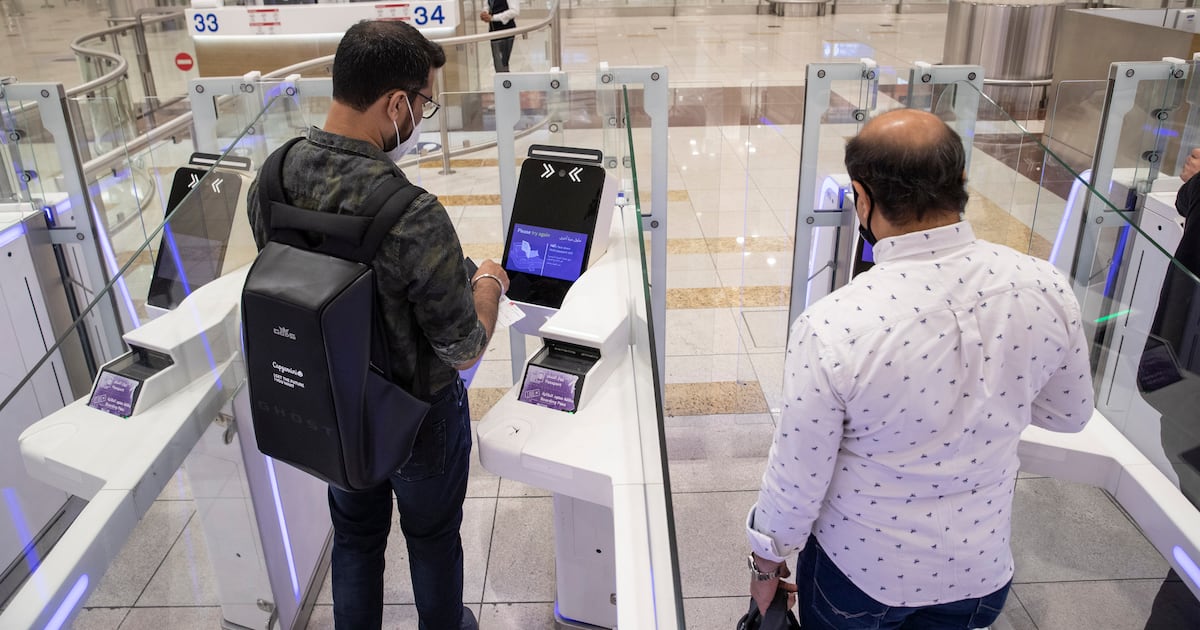
Paul Griffiths, chief executive of Dubai Airports, believes physical passports could become redundant within five years as biometric technology transforms the way people cross borders. “I know many travellers cherish collecting travel stamps, but from a technological perspective, the idea of carrying a physical book in order to fly is outdated,” Mr Griffiths wrote in a recent LinkedIn post.
His is an ambitious prediction, but one that deserves serious consideration. The technology to make a passport-less future possible is already taking shape, and Dubai is in the right place to help lead the transition.
The emirate has invested heavily in smarter airport infrastructure and biometric ID. Initiatives such as Dubai's Click and Travel service, which allows immigration procedures to be completed on mobile devices, demonstrate how quickly once-established procedures can change. Emirates airline has also expanded facial recognition, freeing registered passengers from having to repeatedly produce documents at different stages of their journey.
The advantages are considerable. Removing the need to carry and present physical documents would make travelling faster and simpler, while improving accessibility for children, older passengers and those who find navigating airports particularly challenging. The benefits could extend well beyond immigration, too. A single digital identity could work for everything from hotel check-ins to collecting a rental car, reducing the administrative friction that often accompanies travel.
Yet Dubai's position at the forefront of this transformation with a first-mover advantage also highlights…
Opening of the article, excerpted from The National. To read the rest, open the article on the publisher's site.
MarketNews shows the headline and summary published by the outlet. The full article is on the publisher's website. (www.thenationalnews.com)