Albanese promised steak. He’s overseeing a spag bol economy
Résumé détaillé
While making his pitch for prime minister, Anthony Albanese said people were giving up steak for mince. Four years on, that’s exactly what’s happening.
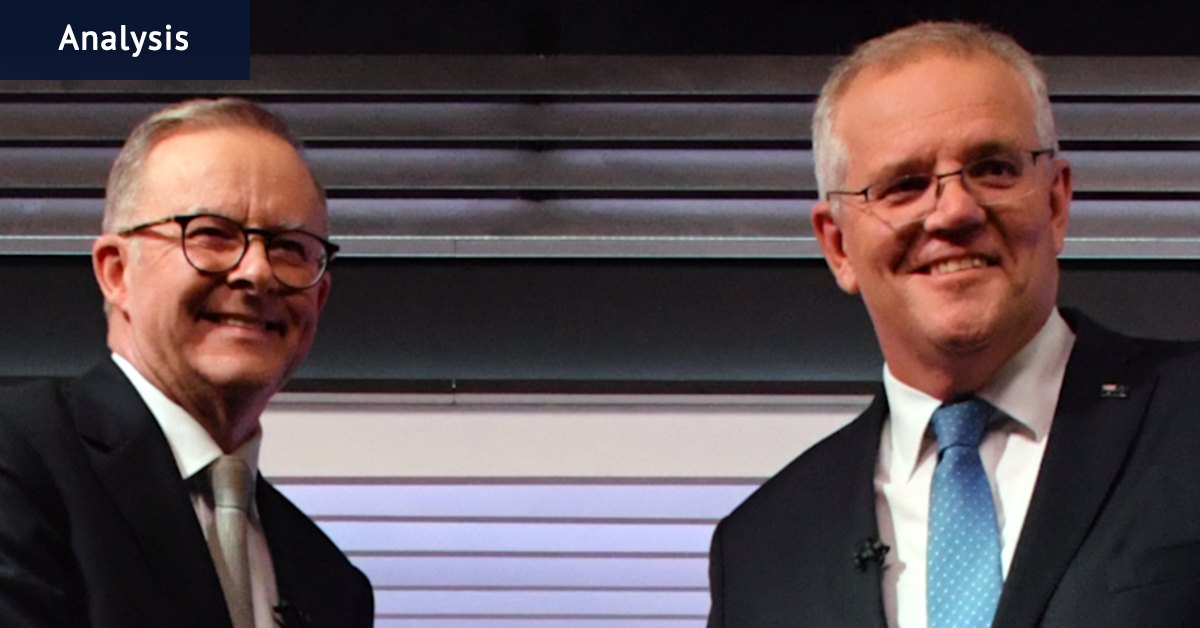
Anthony Albanese used the final election debate of 2022 to argue that a cost-of-living crisis under Scott Morrison had left Australian families to downgrade their supermarket choices.
Real workers and those on the minimum wage, he declared, were “making decisions on whether they will buy a steak or just have to stick to mince meat for their families”.
On Tuesday, the head of one of the nation’s biggest supermarket chains revealed that, on Albanese’s watch, families are making that choice.
Leah Weckert, the managing director of Coles, revealed at an Australian Securities and Investments Commission forum in Sydney that many families are “trading down” their proteins from a porterhouse or rump to tomato-smothered mince and pasta.
“[People are] trading out of a higher priced protein into a cheaper priced protein. The classic is steak into mince. Mince is growing very strongly,” she said.
Since Albanese’s debating point on dinner, beef prices have climbed by more than 10 per cent, including a jump of 5 per cent in the past 12 months. Lamb has soared by 15 per cent.
Not only is steak off the menu, but Weckert said the squeeze on consumers’ wallets meant some families were going meat-free a couple of times a week or spending more on Coles’ cheapest source of protein, the not-so-humble egg.
Egg prices soared by 44 per cent between 2022 and 2025 as an outbreak of avian flu hit the nation’s poultry farms. But they have eased by 2.4 per cent over the past 12 months, one of the few items in family shopping trolleys to have fallen in price.
Weckert said that not only were more customers hunting for specials or using loyalty program points to reduce their shopping bill, they were replacing dinners in local restaurants or cafes with their own home-cooked versions.
Début de l'article, extrait de The Sydney Morning Herald. Pour lire la suite, ouvrez l'article chez le média.
MarketNews présente le titre et le résumé publiés par le média. L'article complet se lit sur le site de l'éditeur. (www.smh.com.au)