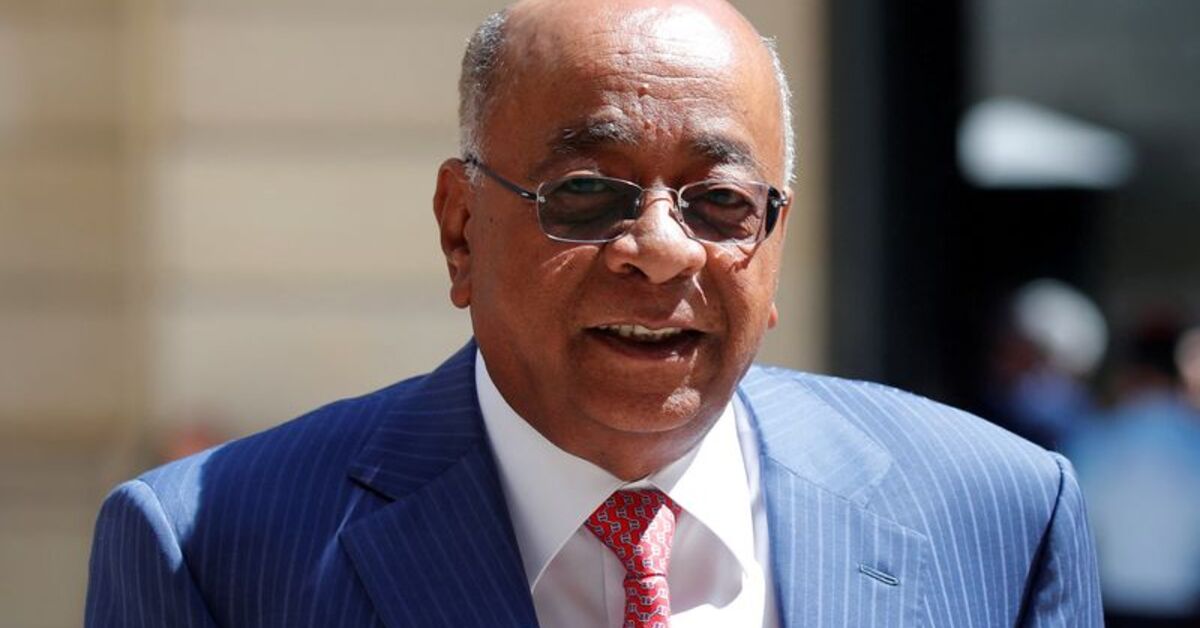
With foreign aid slashed, Africa must 'own its own future', billionaire Ibrahim says
Detailed summary
By Alexander DziadoszCAIRO, Nov 19 (Reuters) - African governments should use a slump in foreign aid as a chance to take control of their development by cracking down on tax loopholes and investing more domestic resources, British-Sudanese billionaire Mo Ibrahim has told Reuters.Ibrahim, who made his fortune intelecoms before moving into philanthropy, oversees a foundation that produces an index of African…
CAIRO, Nov 19 (Reuters) - African governments should use a slump in foreign aid as a chance to take control of their development by cracking down on tax loopholes and investing more domestic resources, British-Sudanese billionaire Mo Ibrahim has told Reuters.
Ibrahim, who made his fortune intelecoms before moving into philanthropy, oversees a foundation that produces an index of African governance examining the state of everything from human rights to armed conflict.
The 2026 index found a slight improvement in overall governance over the past decade, despite a deterioration in security, rule of law and respect for civilrights.
In an interview on Wednesday, Ibrahim said countries along a "conflict arc" extending from the Atlantic through the Sahel towards the Horn of Africa were increasingly becoming "ungovernable".
"Africa needs to own its own future and its own economy," Ibrahim said, adding that theresponsibility for services such as healthcare and education fell primarily to governments.
This year's index showed a "concerning" deterioration across all four of its major categories in Nigeria, Africa's most populous country, while South Africa continued to slide, Ibrahim said.
But continent-wide, gains in economic opportunity and human development helped offset a reduction in security, with improvements in infrastructure, health and education.
Ibrahim said such progress could continue despite "cruel" cuts to foreign assistance.
Globally, overseas development aid from the world's richest nations plunged by 23.1% in 2025, the largest-ever annual reduction, driven by US President Donald Trump's elimination of USAID as a government agency.
Opening of the article, excerpted from Al-Monitor. To read the rest, open the article on the publisher's site.
MarketNews shows the headline and summary published by the outlet. The full article is on the publisher's website. (www.al-monitor.com)