Recommendation for the week
Detailed summary
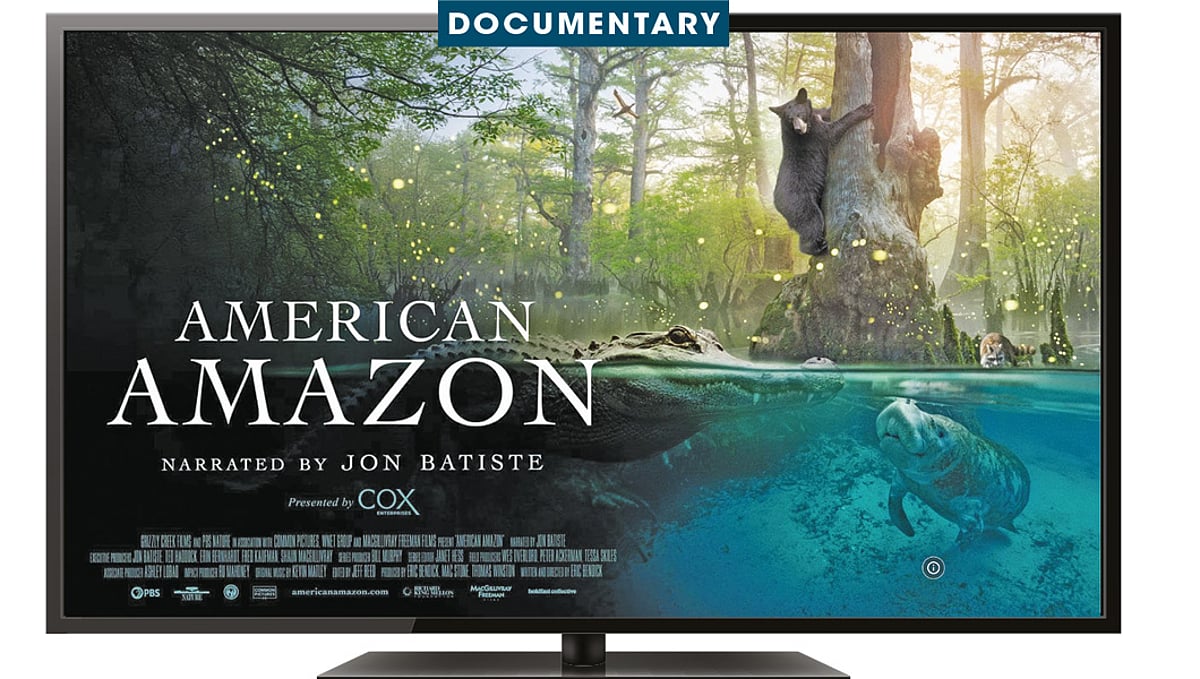
The documentary makers label it the world's best kept secret. American Amazon, which premiered in select theaters in November, is slated for release as a two-pa ...
The documentary makers label it the world's best kept secret. American Amazon, which premiered in select theaters in November, is slated for release as a two-part miniseries on PBS in early 2027. The film reveals an "ancient and mysterious landscape" marked by giant 2,000-year-old cypress trees, labyrinthine flooded forests, a network of wild rivers, and a glorious spectrum of wildlife.
From depicting the mass migration of swallow-tailed kites—the world's only social raptor—to the capturing the elusive American black bears in the swamp, the film portrays a world "teeming with life, discovery, and enduring surprises". The series is narrated by Jon Batiste, a Grammy, Academy and Emmy Award winning singer, songwriter, composer and pianist.
Nuclear energy is experiencing a resurgence with countries betting on it to mitigate climate change and strengthen energy security. Will this pay off? Atomic Disenchantment digs through the history of nuclear energy in the west, as well as in the Global South, from 1945 to date, to provide context on the ongoing nuclear debate. The author argues that the atom has not delivered on its past promises since it has failed to become a dominant, cheap and safe energy source. The book offers insights on the reasons for the past failures, including the clashes and contradictions in the nuclear industry’s attempts to connect with older technological traditions and practices.
Bodies for Empire investigates biomedical investigation under the Imperial Japan’s rule over Korea (1910-45) through the lens of the female body, colonialism and nationalism. The author explains that despite the absence of perceived racial difference between the two countries, illnesses were diagnosed to distinguish Korean from Japanese bodies to use as proof of Korean racial inferiority. To "civilise" and "modernise" the race as well as to "promote" well-being, physicians — Japanese and native Koreans, with varied motives — undertook invasive examinations of women’s bodies.
Opening of the article, excerpted from Down To Earth. To read the rest, open the article on the publisher's site.
MarketNews shows the headline and summary published by the outlet. The full article is on the publisher's website. (www.downtoearth.org.in)