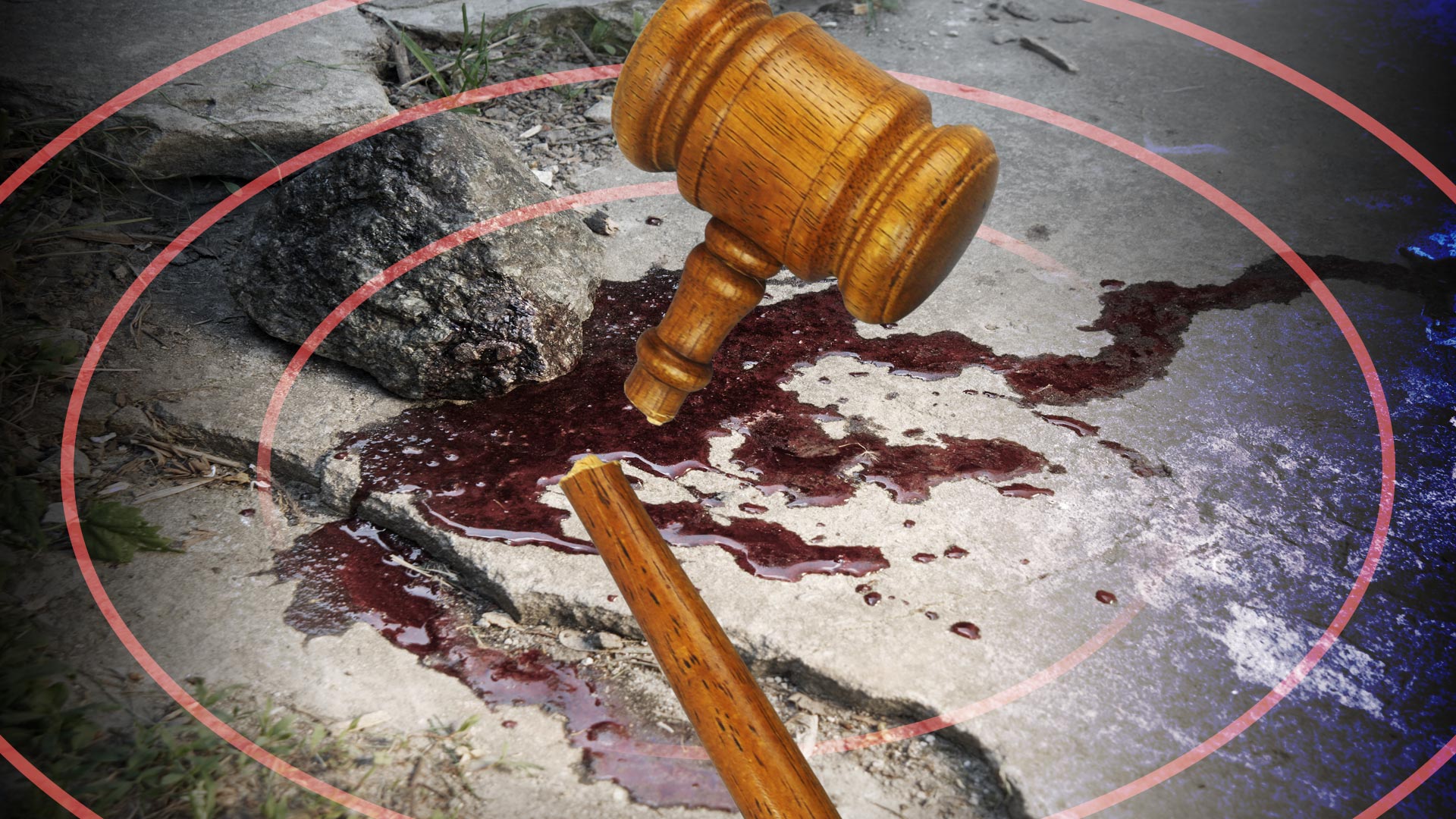
[Pinoy Criminology] Killing of judges threatens the rule of law
Résumé détaillé
A country that cannot protect its judges cannot promise its people a fair hearing, a just decision, or the rule of law
Another judge has fallen to assassins, and another court has been left to mourn. Judge Joseph Wee Sit, presiding over Branch 2 of the Regional Trial Court in Isabela City, Basilan, was shot dead in Zamboanga City on November 12. He was a young judge, only a little over a year into service on the bench, with his life and public service still opening before him.
This should outrage not only the legal profession, but the entire Filipino community. The killing is horrifying on its own, but it also carries a danger beyond one family’s grief. Every bullet fired at a judge is a threat to the institution that must decide disputes by law.
Whether this killing was intended to intimidate the judiciary remains for investigators to establish. But we cannot pretend an attack on a judge is merely a private crime, detached from public office. Judges sometimes confront politically charged, contested cases, where their decisions threaten interests powerful enough to answer law with force.
That possibility makes the killing all the more urgent to investigate, without prematurely declaring who ordered it or why. A murder can terrorize a court before its motive becomes known, because judges understand the warning implicit in violence.
The judiciary is supposed to be impartial and independent. Judges swear to decide cases on their merits, on the facts presented, and the law that governs them. They must be able to rule without fear or favor, even when their decisions anger the powerful or disappoint the public. When judges know that their lives, limbs, and careers are on the line, safety can begin to shape judgment. Then decisions are made not on merit, but on power; that is rule by men, not rule of law.
I have written about judgments arriving after 21 years, people trapped in judicial limbo, and detention prolonged by vacancies and delay. Those problems may look different from the murder of a judge, but they expose the same fragility.
That protection begins before a judge enters the courtroom.
Début de l'article, extrait de Rappler. Pour lire la suite, ouvrez l'article chez le média.
MarketNews présente le titre et le résumé publiés par le média. L'article complet se lit sur le site de l'éditeur. (www.rappler.com)