Code of Conduct talks ‘70% complete’
Detailed summary
Negotiations on the decadeslong proposal to establish a Code of Conduct (COC) on the South China Sea are “70 percent complete,” a Philippine official said without disclosing what…
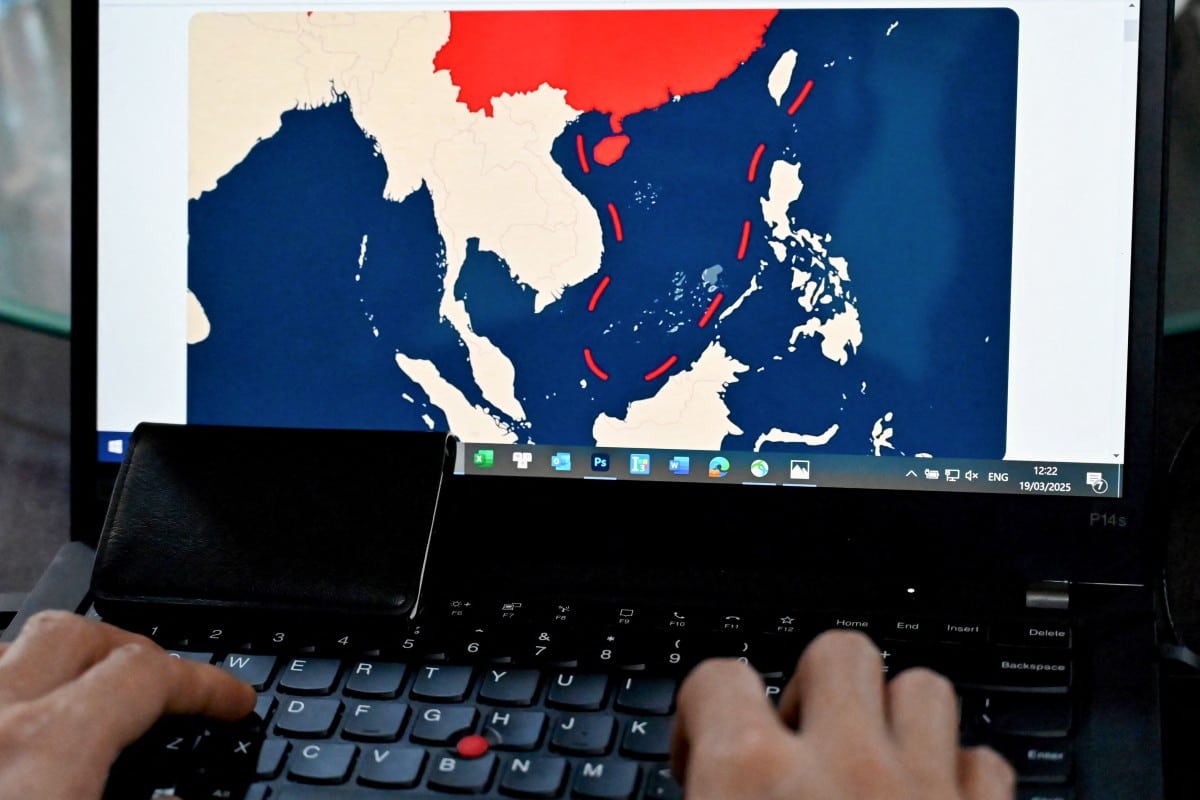
Negotiations on the decadeslong proposal to establish a Code of Conduct (COC) on the South China Sea are “70 percent complete,” a Philippine official said without disclosing what has been discussed between the member states of the Association of Southeast Asian Nations (Asean) and China.
“I would also like to stress that 70 percent of the COC package has already been agreed,” Foreign Assistant Secretary Dominic Xavier Imperial said at a press briefing on Friday ahead of the main Asean Summit on Nov. 15. “I think during the Philippine chairmanship, we can say that that is already good progress when it comes to the COC negotiations.”
Imperial said the 70-percent figure represented the overall progress of negotiations rather than the proportion of paragraphs in the draft agreement that had been approved by the concerned parties.
He declined to specify which provisions remained under discussion, and said negotiators were still working to settle outstanding issues.
Imperial could not also say whether the talks would be concluded during the Philippines’ chairmanship of Asean. “I cannot really preempt how the COC negotiators will conclude this year,” he said.
President Marcos said earlier he wanted the COC finalized during the summit. He called for its urgent adoption at the Asean Summit in the previous year in Kuala Lumpur.
It was the Philippines that first raised the idea of a code of conduct in 1992 following Chinese incursions in its waters. This led, a decade later, to a nonbinding “Declaration on the Conduct of Parties in the South China Sea” between Asean and China.
Foreign Secretary Ma. Theresa Lazaro had identified four outstanding issues in the negotiations: the code’s legally binding nature, geographic scope, relationship with the 2002 declaration and terms of reference.
The Philippines has maintained that the proposed code must be consistent with international law, particularly the United Nations Convention on the Law of the Sea, or Unclos, and must not undermine the…
Opening of the article, excerpted from Philippine Daily Inquirer. To read the rest, open the article on the publisher's site.
MarketNews shows the headline and summary published by the outlet. The full article is on the publisher's website. (www.inquirer.net)