The power shift: How renewable energy is redefining Oman’s economic landscape ?
Résumé détaillé
These figures highlight the potential for renewable energy investment to generate economic benefits beyond the power sector itself ...
Oman’s renewable energy transition is emerging as more than an environmental commitment. It is becoming a strategic economic opportunity, with the potential to reshape the Sultanate’s industrial landscape, attract foreign investment and strengthen its position in global energy markets.
As countries accelerate their transition towards cleaner energy, Oman is increasingly well positioned to capitalise on its abundant solar and wind resources, strategic location and established port infrastructure. The opportunity extends beyond electricity generation to include manufacturing, green hydrogen, energy storage, technology and exports sectors that could become important contributors to economic diversification under Oman Vision 2040.
The scale of this ambition is reflected in the country’s renewable energy targets. According to indicators cited in the latest Oman Vision 2040 progress reporting, renewable energy’s share of total energy consumption reached approximately 9 per cent in 2025, compared with negligible levels in 2020. The target is to increase this contribution to 20 per cent by 2030 and between 35 and 39 per cent by 2040.
These ambitions signal a significant transformation in the national energy mix, with important implications for industrial competitiveness, energy security and the efficient allocation of natural resources.
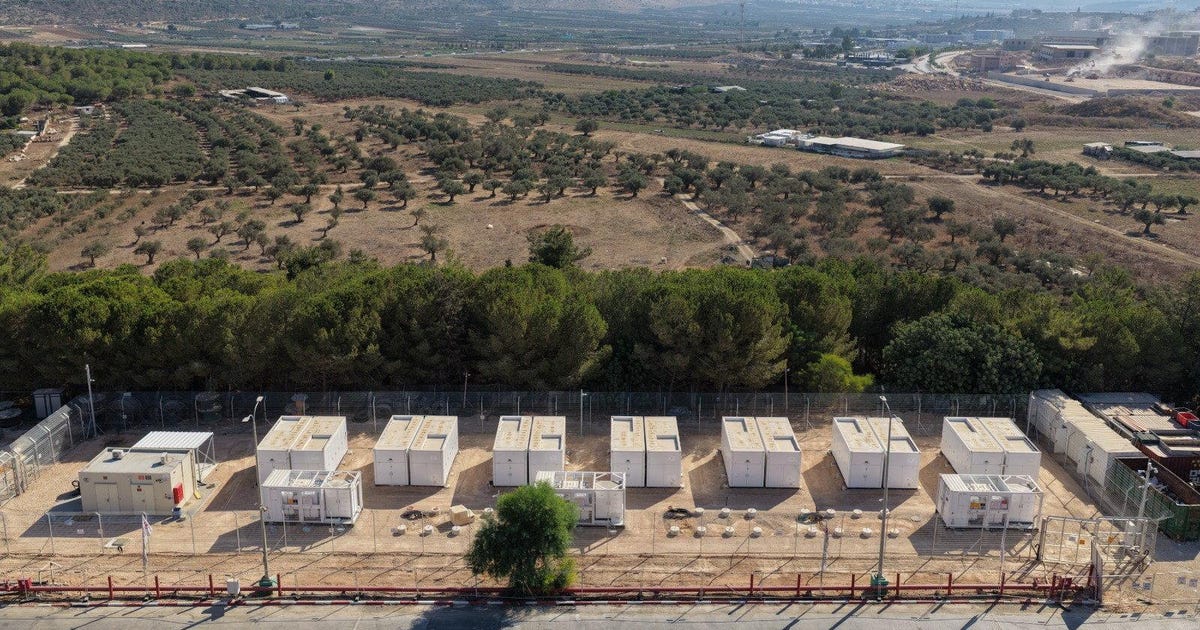
Oman has already made considerable progress in developing utility-scale renewable energy projects. The 500-megawatt Ibri 2 Solar Power Plant in Al Dhahirah Governorate remains a landmark development, while the Manah 1 and Manah 2 solar projects in Al Dakhiliyah, with a combined capacity of 1,000 megawatts, entered commercial operation in 2025.
Together, these projects represent a substantial expansion in the country's clean electricity generation capacity. Their combined output is sufficient to meet the electricity requirements of more than 120,000 homes and is expected to avoid approximately 1.4 million tonnes of carbon dioxide emissions…
Renewab…
Début de l'article, extrait de Zawya. Pour lire la suite, ouvrez l'article chez le média.
MarketNews présente le titre et le résumé publiés par le média. L'article complet se lit sur le site de l'éditeur. (www.zawya.com)