Christmas ‘dupes’: the cheaper gift versions proving a festive hit in the cost of living crisis
Résumé détaillé
From Aldi candles to Quince’s cashmere jumpers, cut-price versions of high-end sellers have gone mainstream. But is it fair?For fans of the festive season nothing is more…
From Aldi candles to Quince’s cashmere jumpers, cut-price versions of high-end sellers have gone mainstream. But is it fair?
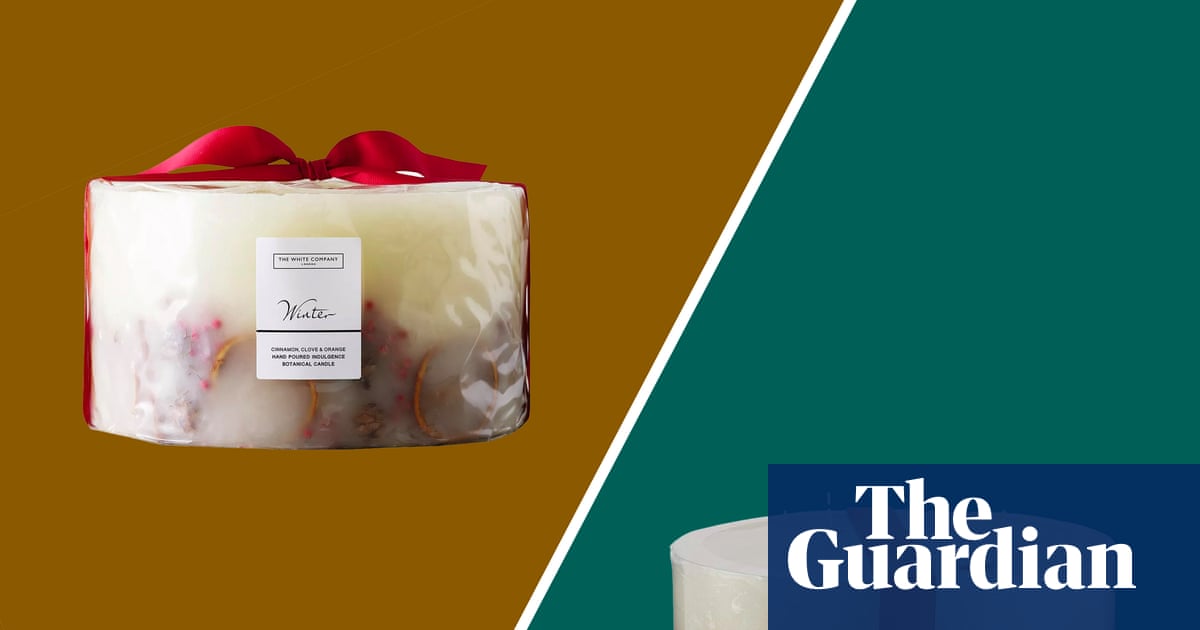
For fans of the festive season nothing is more Christmassy than lighting a super-sized botanical candle with its trim of orange slices and berries.
But as the notes of cinnamon and clove fill the room will you be burning money spent on the White Company’s £95 “winter indulgence” candle that customers describe as the “scent of Christmas”. Or have you followed TikTok’s advice and bought the Aldi “dupe” for £25.
Dupes are products that claim to offer a similar experience to a high-end item though do not claim to be that product. They were originally a Gen Z obsession but have become a mainstream shopping trend at a time of strained household finances.
“No matter what age you are, how much money you’ve got to spend, everyone wants to ‘luxe it up’ with a dupe,” says Catherine Shuttleworth, a retail consultant and chief executive of Savvy Marketing.
“The message is ‘why not be smart like me saving cash but still looking good’,” she says.
“In the case of homewares, a high street dupe of a luxury branded candle can look and smell just as good as the real thing, and will your visitors really notice that your table lamps are from B&M not the White Company?”
Dupe culture is being supercharged by social media, particularly TikTok. More than 30 million people across the UK now use TikTok each month, according to the company, with Gen-Z’ers admitting that seeing products sell out or go viral makes them more likely to buy them.
Data firm YPulse has been tracking consumer attitudes to dupes for several years and Tori D’Amico, managing content editor, says: “The idea that a dupe can be a true replacement for a luxury item is still prevalent. Dupes are not shameful or embarrassing to own. Young consumers brag online about finding a good deal and share it with the masses.”
Début de l'article, extrait de The Guardian Business. Pour lire la suite, ouvrez l'article chez le média.
MarketNews présente le titre et le résumé publiés par le média. L'article complet se lit sur le site de l'éditeur. (www.theguardian.com)