Rice pushed it out, climate change may bring it back: The tiny but tough Taiwanese grain a hotter world may need
Detailed summary
Indigenous farmer Banu Ismahasan walks through a golden field of tall stalks in southeastern Taiwan, harvesting by hand the grain heads of an ancient ...
TAIWAN, Nov 16 — Indigenous farmer Banu Ismahasan walks through a golden field of tall stalks in southeastern Taiwan, harvesting by hand the grain heads of an ancient crop resistant to extreme weather.
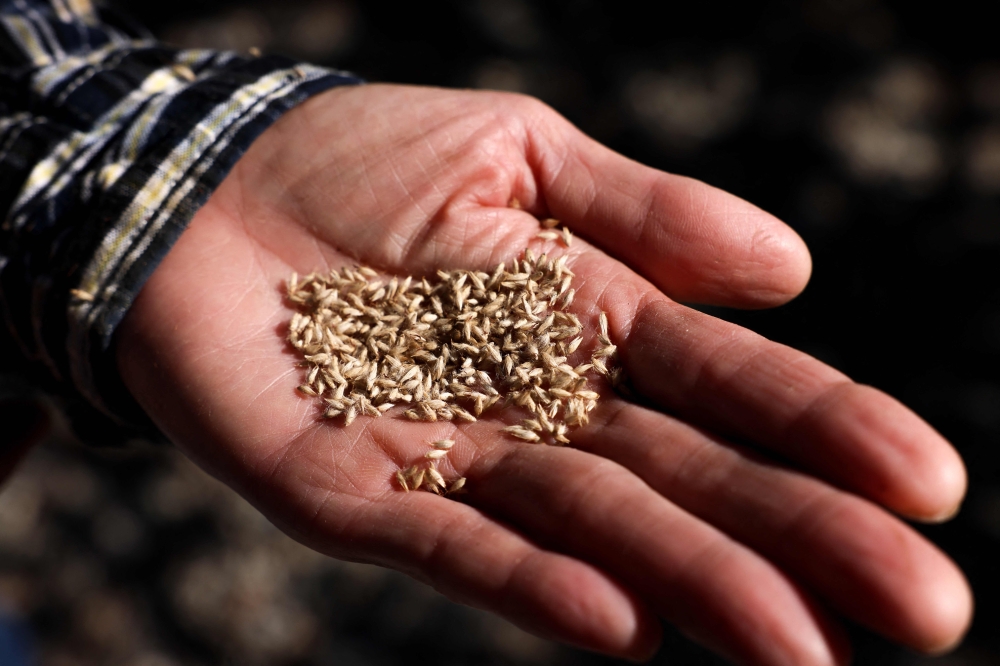
Once grown by Indigenous farmers in Taiwan in case their staple crops died, oil millet largely disappeared from fields more than 60 years ago as rice became more available.
Over the past decade, Ismahasan and his elderly parents have worked to revive the nearly forgotten crop in the Bunun community in Buklavu, a village surrounded by lush green mountains in Taitung county.
“We just hope to bring back many traditional Bunun crops and grow them on this land again,” Ismahasan, 48, told AFP in his oil millet field under a clear blue sky.
Oil millet, or “dill” in the Bunun language, is endemic to Taiwan and can be found growing wild in the mountains.
Ismahasan first read about the plant online and then embarked on his own research, combing through historical documents and speaking to tribal elders, including a woman who recalled last eating it half a century ago.
He discovered that Bunun farmers used to grow oil millet alongside their staple crop foxtail millet as a “back-up” when harvests failed or disasters hit.
After years of growing oil millet himself, Ismahasan came to understand why his ancestors relied on the crop.
A single oil millet seed can grow 15 to 20 panicles, or branching seed clusters, and the stems regenerate on their own, while foxtail millet typically grows one panicle per seed and must be sown again after being cut.
Opening of the article, excerpted from Malay Mail. To read the rest, open the article on the publisher's site.
MarketNews shows the headline and summary published by the outlet. The full article is on the publisher's website. (www.malaymail.com)