A quarter of the world’s reptiles use rocky habitats. So why aren’t we protecting them?
Detailed summary
Many reptiles rely on rocky areas to find food, escape predators and reproduce.
Ask any reptile lover where to find a cold-blooded creature and chances are they will point to a rocky outcrop.
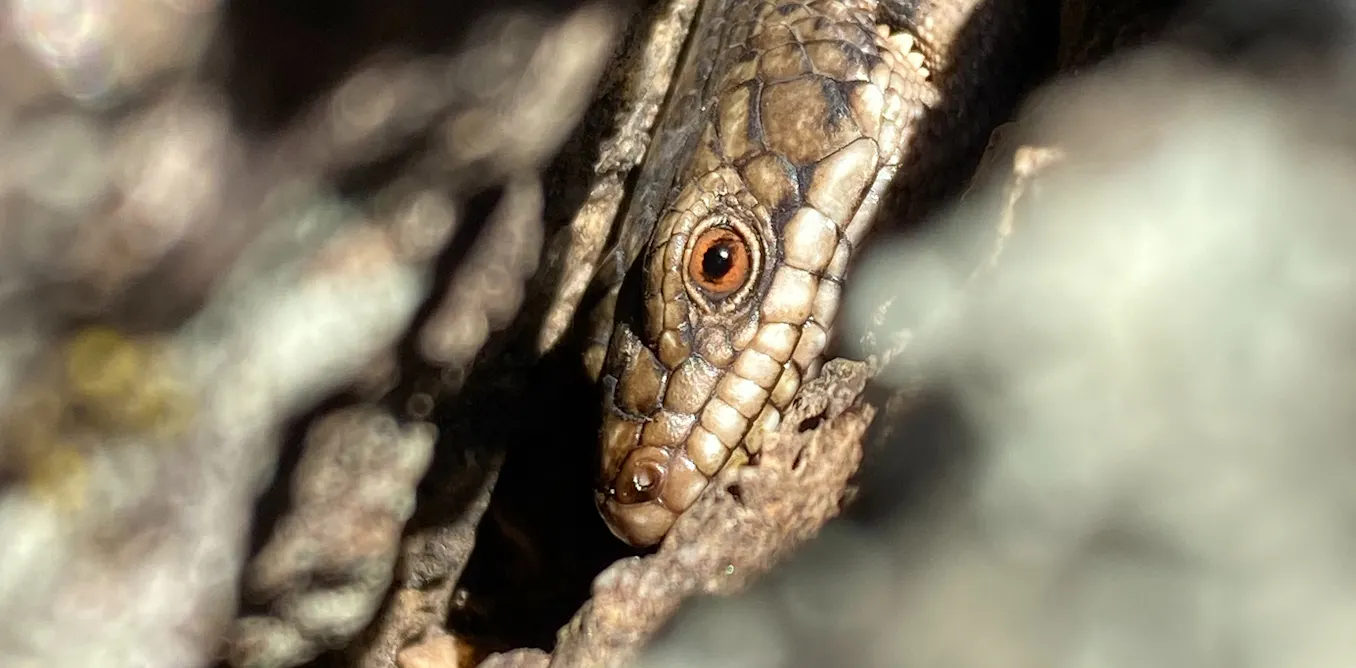
Look closely and you might find a snake or lizard basking on a sun-warmed boulder, sheltering in a narrow crevice or even living under a loose surface rock.
Rocky habitats help reptiles control their body temperature, escape predators and survive harsh winters. They are also a refuge where reptiles can socialise, lay eggs and find food.
Without rocky habitats, many reptile species would struggle to survive, putting wider ecosystems at risk of collapse. But how many reptile species actually depend on rocky habitats?
Our new study aimed both to answer this question and identify what threats rock-dwelling species face.
Rocky habitats are found on every continent, ranging from cliff faces to outcrops and even areas covered with loose, scattered rocks.
Rocky habitats may seem relatively indestructible compared to forests or other living habitats. In reality, they are easily damaged or destroyed and, once lost, may take centuries or even millenia to reform.
Today, one in five reptile species is at risk of extinction. Habitat loss is the most pressing threat to reptile populations worldwide.
Rocky areas are under pressure from threats such as mining, quarrying and urbanisation. In the United Arab Emirates, for instance, rapid urban development threatens the last isolated rock formation known to support the critically endangered Emirati leaf-toed gecko (Asaccus caudivolvulus).
Opening of the article, excerpted from The Conversation AU. To read the rest, open the article on the publisher's site.
MarketNews shows the headline and summary published by the outlet. The full article is on the publisher's website. (theconversation.com)