With US alliance less certain, Seoul needs to fix missile defense
Detailed summary
The changing strategic environment in Northeast Asia demands a fundamental reassessment of South Korea’s air and missile defense capabilities. Seoul can no longer afford to treat…
The changing strategic environment in Northeast Asia demands a fundamental reassessment of South Korea’s air and missile defense capabilities.
Seoul can no longer afford to treat missile defense as a secondary component of national security at a time when North Korea is rapidly expanding its missile arsenal, China is developing increasingly sophisticated missile systems – and confidence in the long-term reliability of the US-South Korea alliance is becoming increasingly uncertain.
For decades, South Korea’s national security architecture has rested on the assumption that the United States would provide the necessary military capabilities to deter and, if required, defeat North Korean aggression.
However, the strategic environment is changing. Growing political disagreements between Washington and Seoul have introduced uncertainty into the alliance. Differences over China policy, regional missile defense cooperation and intelligence-sharing arrangements have become increasingly consequential. South Korea’s historical reservations about participating in a US-led regional missile defense architecture have further complicated strategic coordination with Washington.
As distrust between Washington and Seoul grows, South Korea must prepare for a strategic environment in which American assistance cannot be treated as an unlimited or unconditional resource. The country needs the capacity to defend its population, military installations and critical infrastructure even when American military support is constrained by the competing international commitments of both countries.
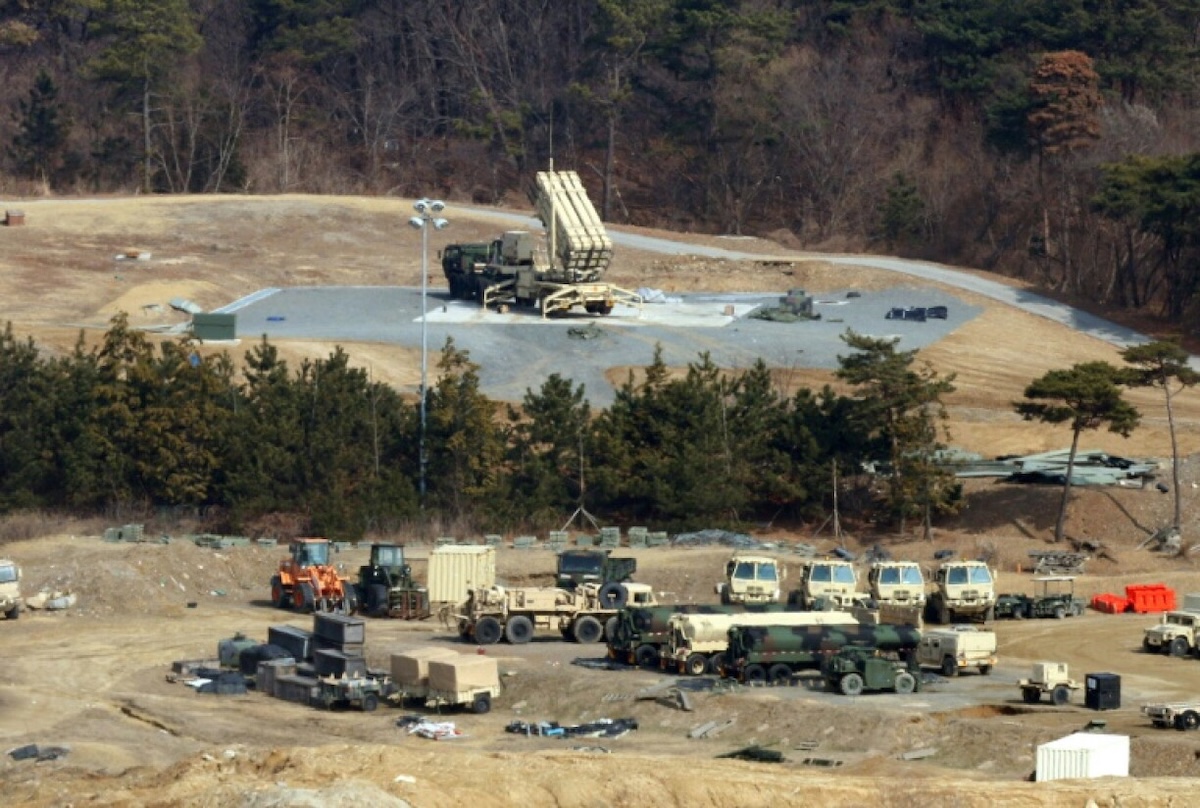
South Korea’s existing missile defense architecture remains heavily dependent on American technology and military deployments. The US-operated Terminal High Altitude Area Defense (THAAD) battery stationed in South Korea provides high-altitude interception capabilities against certain ballistic missile threats, while Patriot PAC-2 and PAC-3 systems offer lower-altitude air and missile defense, protecting…
At…
At…
Opening of the article, excerpted from Asia Times. To read the rest, open the article on the publisher's site.
MarketNews shows the headline and summary published by the outlet. The full article is on the publisher's website. (asiatimes.com)