Buy now, pay later hits credit bureaus and festive wallets
Detailed summary
‘The number one reason that people borrow … is for food and clothing. That's where it gets very worrying’: Andrew Fulton from Eighty20.
SIMON BROWN: I’m chatting now with Andrew Fulton, director at Eighty20. Andrew, always appreciate the early morning time.
Buy now, pay later [BNPL] really has become mainstream in South Africa – the process of splitting a couple of payments interest free over a month or two.
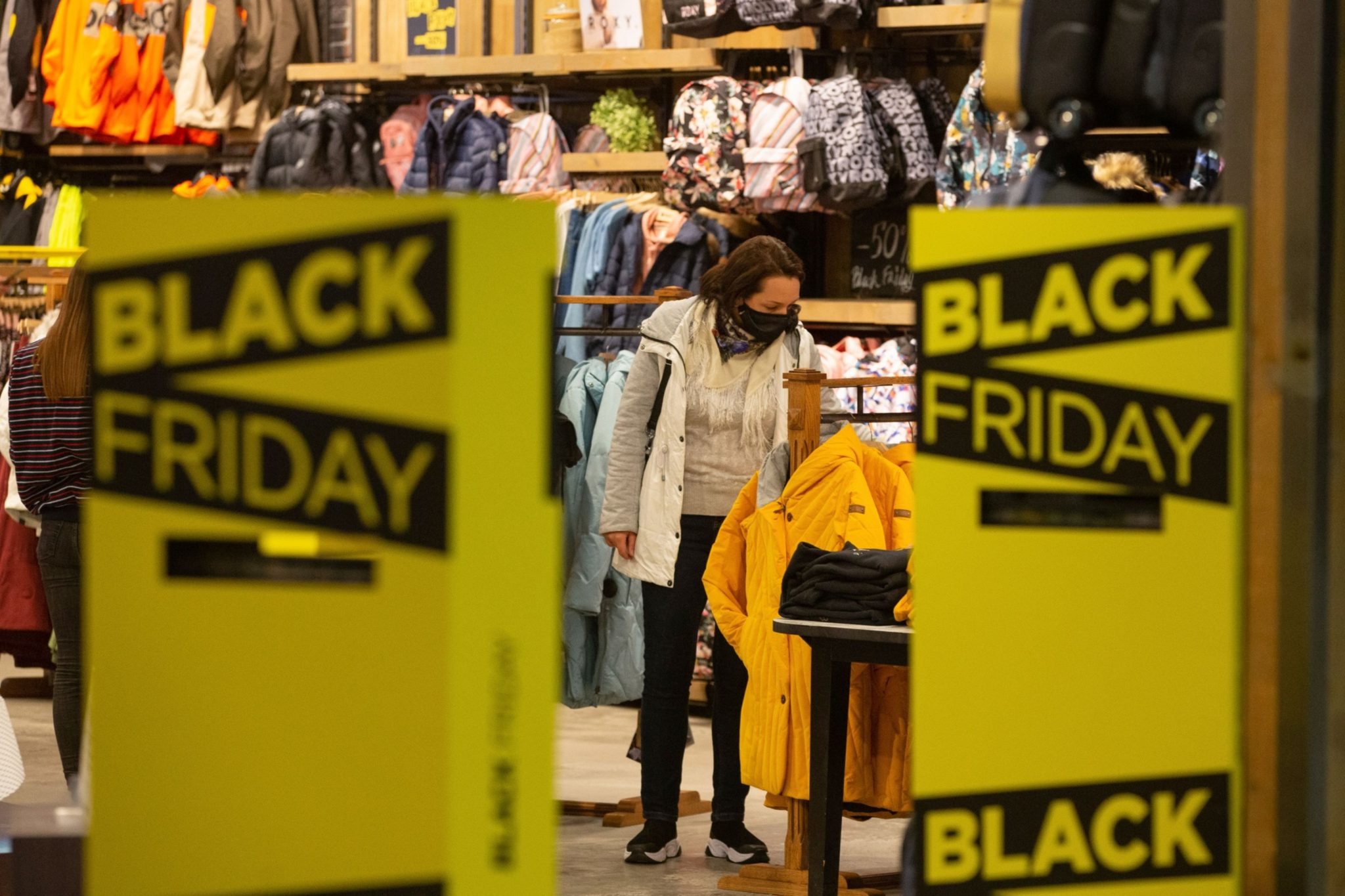
For folks who are looking at it now for Black Friday, of course [payment for] anything we buy now is going to fall into the December and January months. Those are months which already put pressure on our wallets. But the bigger [effect] perhaps is changes around credit bureaus and reporting from 1 February.
Talk to us around buy now, pay later and the bureaus’ reporting – because up to now they haven’t done any reporting. Suddenly they’re going to be sending data to credit bureaus.
ANDREW FULTON: Yes. Thanks for having us on the show. It is a really interesting development. Buy now, pay later is one of those massive consumer behaviour shifts, similar to gambling, that’s having a profound effect on the way people shop and where discretionary spend is going.
What’s interesting about this is, you know, BNPL agreements are not credit agreements. There is no credit linked to it. That’s why it’s so popular with people.
Read: Buy now, pay later boom raises risk of consumer credit strain Buy now, panic later? The hidden risks of unregulated BNPL
Yet the credit bureaus and other people are very aware that that kind of invisible payment side of it does impact other credit, personal loans, credit cards, et cetera.
That’s going to have an impact on people’s credit scores, because the way South Africa works is if you do shop around for credit and you’re seen to be taking out a lot of credit products in a short period of time, statistically you’re regarded as a higher risk.
Opening of the article, excerpted from Moneyweb. To read the rest, open the article on the publisher's site.
MarketNews shows the headline and summary published by the outlet. The full article is on the publisher's website. (www.moneyweb.co.za)