One foot in recession: the unemployment numbers that blow up the RBA’s case for hikes
Detailed summary
Back-to-back monthly job losses have undercut the RBA’s claim that the labour market is tight, and the three rate dissenters now look prescient.
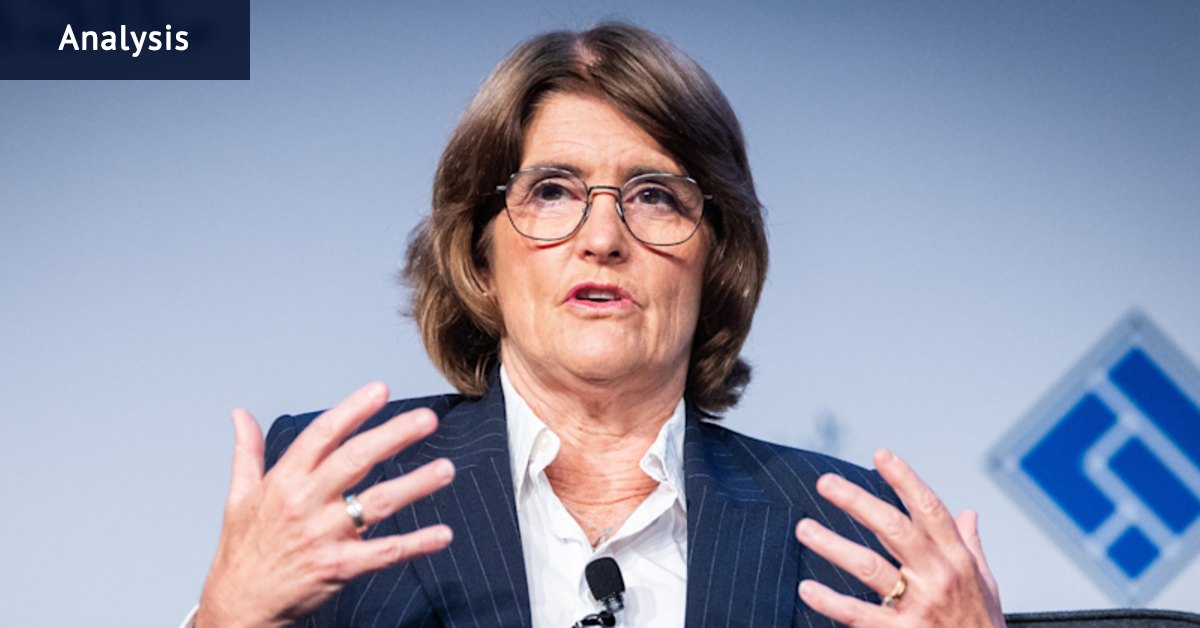
It was only a fortnight ago that Reserve Bank governor Michele Bullock declared “we don’t see the economy cracking at this point”.
Explaining the RBA’s 6-3 decision to deliver a fifth quarter percentage point rate rise in nine months, Bullock said the unemployment rate was “still relatively low” with the country enjoying jobs growth.
In fact, she argued, “We think that the labour market’s a little bit tight.”
After Thursday’s jobs report, that argument – about the strength of the jobs market and the overall economy – has to be revisited.
After the country lost 36,400 jobs in September, the bureau of statistics revealed a further 43,600 positions disappeared in October. It was the worst back-to-back result since 2021 during the pandemic.
As Betashares chief economist David Bassanese noted, back-to-back monthly drops in employment seems to suggest “the economy has one foot in recession”.
It’s not as if the RBA had not been warned that its aggressive tightening of monetary policy this year might have unwanted economic consequences.
The minutes of its November meeting noted the pushback from the three people who voted against the increase. They were worried that, with four rate rises already working their way through the economy, including one inflicted on the country at the end of September, it was too early to tighten the monetary policy screws further.
The slowdown in the property market, they said, might reduce economic activity more than expected which, in turn, would feed into employment growth. They were also not persuaded by the argument by the bank’s staff that the labour market was a little tight.
Opening of the article, excerpted from The Sydney Morning Herald. To read the rest, open the article on the publisher's site.
MarketNews shows the headline and summary published by the outlet. The full article is on the publisher's website. (www.smh.com.au)