Seed-oil-free foods are now a $1 billion business. Stanford scientists say the health claims don’t hold up
Résumé détaillé
Sales of seed-oil-free foods are surging, helped by a certification seal and a shift in federal diet advice. Scientists at Stanford and Tufts say the case against the oils is thin.
Walk down the snack aisle of almost any grocery store and you’ll find a growing number of packages labeled seed-oil-free. Americans bought more than $1 billion worth of seed-oil-free food products over the past year, according to NielsenIQ data.
Sales of seed-oil-free foods rose 60.2% over that period, while products without the label grew just 2.6%. Yet many nutrition and food scientists say those products aren’t necessarily healthier, and that seed oils aren’t harmful to people.
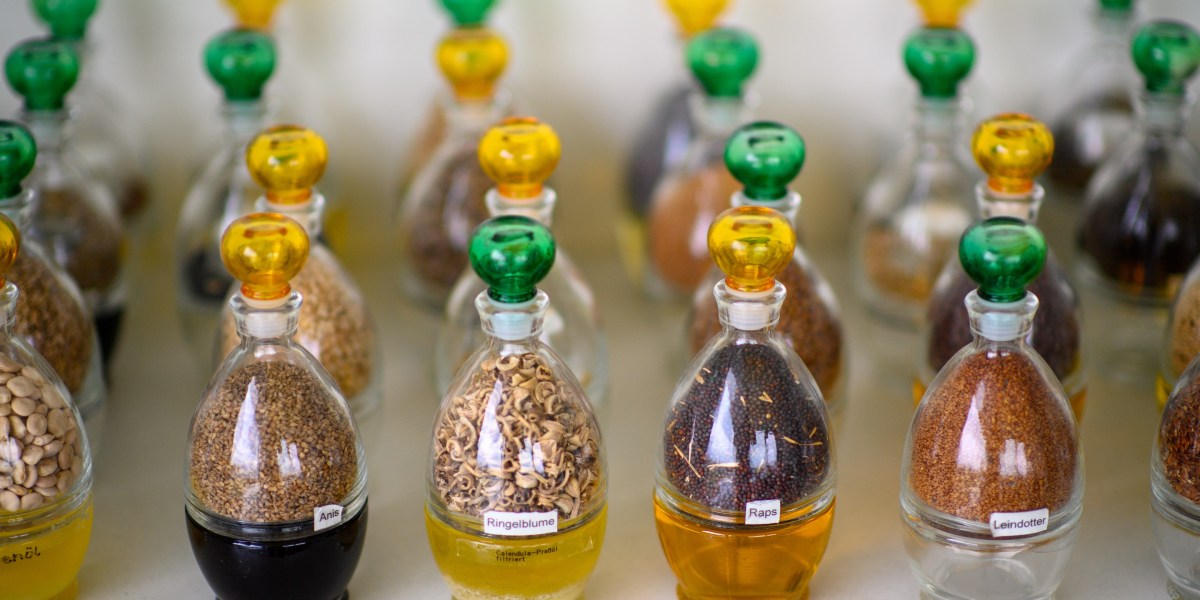
Seed oils are cooking oils extracted from crop seeds, including canola, corn, sunflower and safflower oil. Online influencers in the seed-oil-free movement, and the food companies serving this niche, push alternatives such as olive, avocado and coconut oil, along with animal fats like butter, lard and beef tallow, which has its own wave of celebrity backers.
Big food makers have taken notice. PepsiCo, the maker of Lay’s and Tostitos, said in 2025 that it would expand its use of avocado and olive oil in place of canola and soybean oil, one of several moves by food companies to rework products and keep up with Health Secretary Robert F. Kennedy Jr.’s vision of a healthy diet.
Many seed-oil-free packages carry a Seed Oil Free Certified seal. The Seed Oil Free Alliance, a Florida-based organization founded in 2023, issues it and audits products and lab-tests their oils. The alliance says products carrying its seal account for about $410 million in retail sales, citing NielsenIQ data.
“Our organization doesn’t fearmonger about seed oils,” Jonathan Rubin, the founder and CEO of the Seed Oil Free Alliance, told Fortune. “We exist to empower consumers who seek to avoid them because of how common they are in products. We want to empower consumers with choice and give companies a way to really highlight their commitment to meeting that consumer dietary preference.”
Rubin said his concerns center on what happens when high-linoleic oils are heated to high temperatures.
“When you heat a high linoleic seed…
Abb…
Début de l'article, extrait de Fortune. Pour lire la suite, ouvrez l'article chez le média.
MarketNews présente le titre et le résumé publiés par le média. L'article complet se lit sur le site de l'éditeur. (fortune.com)