California’s Wolves Are Nearly Impossible to Photograph. Here’s How Aaron Huey Did it.
Résumé détaillé
After months of failed attempts, the acclaimed photographer finally glimpsed these elusive wolves on the last morning of his assignment for our December issue.
After months of failed attempts, the acclaimed photographer finally glimpsed these elusive wolves on the last morning of his assignment for our December issue.
Photographer Aaron Huey has covered war, landed several National Geographic covers, walked across America, and even captured images inside the metaverse. But California’s elusive gray wolves nearly beat him.
Gray wolves were trapped, poisoned, and hunted out of California by the 1920s, largely to protect livestock. Nearly a century later, they came back. Their growing numbers have brought new tension with ranchers, local communities, and the state. One pack’s summer diet consisted of 92 percent livestock.
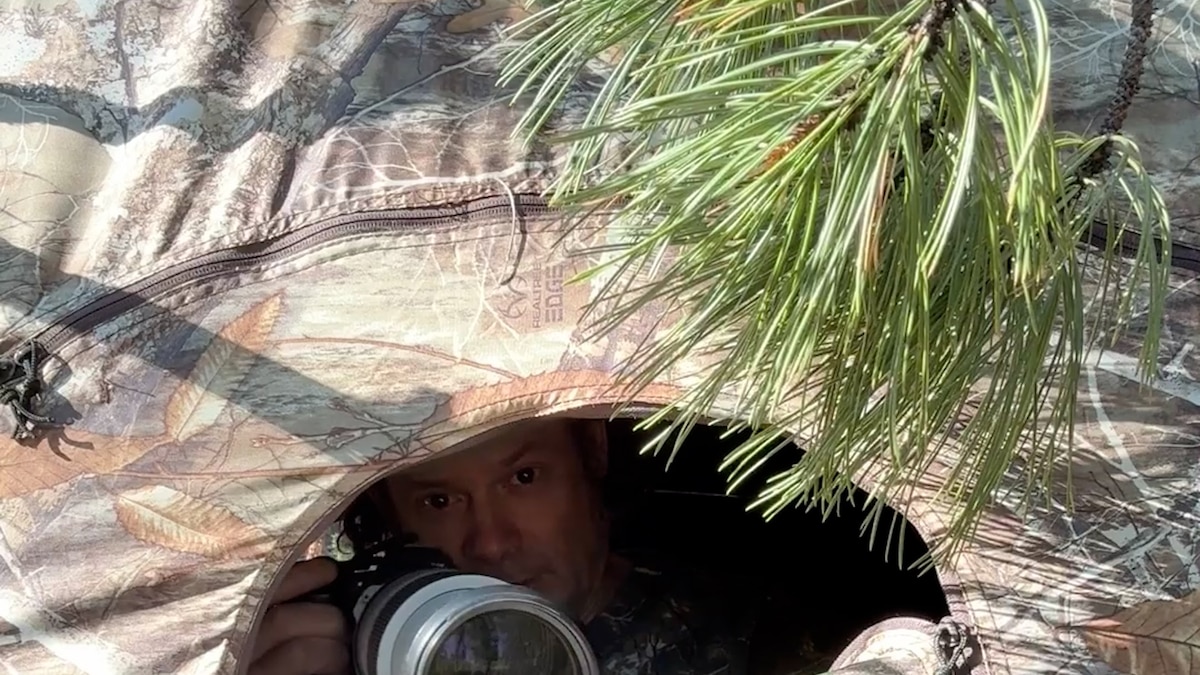
Huey set out to photograph these wolves for the December 2026 issue of our magazine. After months of failed attempts to capture one up close, it came down to his last hour on assignment. We spoke with him about the lengths it took to pull it off—which included bear proof bunkers, a makeshift blind, or hiding place, and working beside rotting cow carcasses.
Wild wolves in California are rarely photographed up close. What makes it so hard?
In California, the wolves are almost impossible to spot. There's no snow for them to stand out against, they're hidden in the trees, and there are very few of them.
When you look for pictures of wild wolves in California, you don't find much, or the ones you find are really a picture from somewhere else. Most of the pictures out there were taken by science teams that sedated the wolves, studied them, and released them. I had seen a couple where the wolves are far away. But I'd never seen a close-up image of a California wolf in the wild by a professional, un-sedated, in its true spirit.
This story is as much about the ranchers as the wolves. How did you approach photographing them?
I do really well at the intersection of people and wildlife. I’m really good at getting in very deep with communities to understand the people that are interacting with the animals.
Début de l'article, extrait de National Geographic. Pour lire la suite, ouvrez l'article chez le média.
MarketNews présente le titre et le résumé publiés par le média. L'article complet se lit sur le site de l'éditeur. (www.nationalgeographic.com)