‘We’re having to overcome brand America’: Kraft Heinz CEO says made-in-U.S.A. designation is more ‘complicated’ in appealing to Canadian customers
Detailed summary
As U.S.-based companies navigate the continued impact of tariffs, brands like Kraft Heinz are figuring out how to woo some non-American consumers.
As U.S.-Canadian relations go frosty, one American food brand is having to be more intentional about appealing to its northern neighbors.
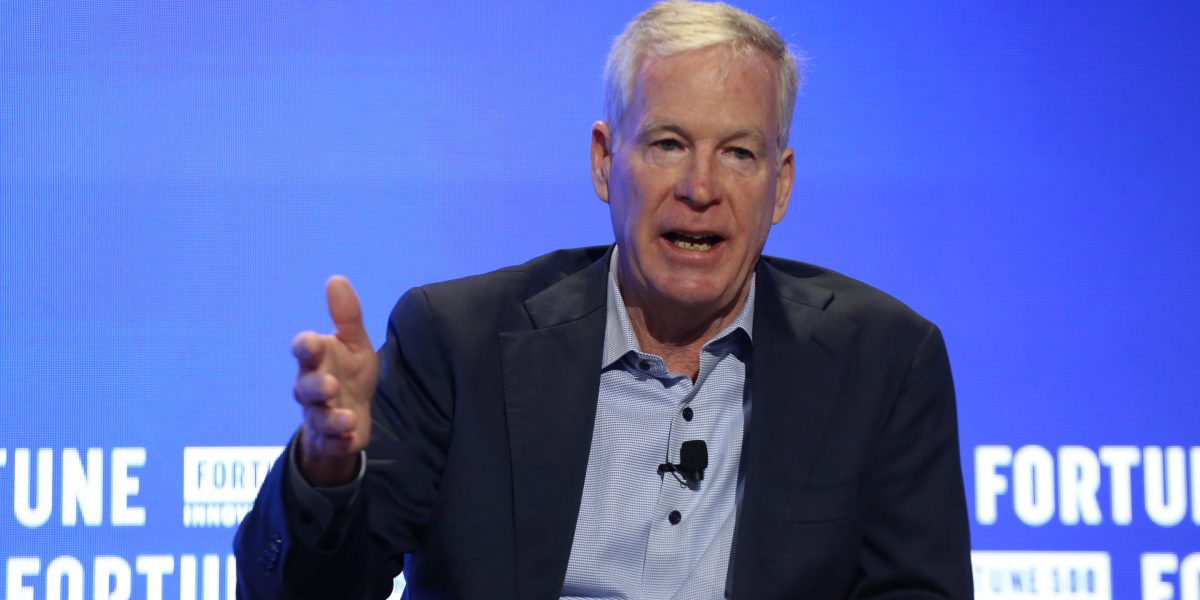
Speaking at the Fortune 500 Innovation Forum in Detroit on Monday, Kraft Heinz CEO Steve Cahillane said the made-in-the-U.S.A. moniker doesn’t carry the same positive connotation as it did in decades past. As a result, he said, the Chicago- and Pittsburgh-based food giant—behind Jell-O, Lunchables, and Heinz ketchup—is having to tweak its messaging.
“Brand America is not as strong as it once was, and that’s been the case for some time,” Cahillane told Fortune Executive Editorial Director Diane Brady. “We’re having to overcome brand America. Whereas, in the ‘50s, ‘60s, ‘70s, into the ‘80s, brand America was a badge of honor, it’s a little bit more complicated today.”
Ongoing trade tensions, including a 50% tariff on $20 billion of Canadian goods, have chilled Canadian attitudes towards American productions, as have repeated threats from U.S. President Donald Trump about making Canada the “51st state,” claiming it relies too heavily on the U.S. economically. While Canadians have continued to pour money into U.S. investments, many have also made a concerted effort to boycott American goods in favor of Canadian counterparts.
In some areas, these boycotts are taking a toll on the U.S. economy. A report from the Canadian government published last month found that despite Canadian visitations to the U.S. beginning to increase, visitations from Canadians are 29% lower as of September 2026 than they were two years ago. According to the U.S. Travel Association, those decreases in visits cost the U.S. economy $4.5 billion last year.
Kraft Heinz has worked to adapt to Canadians’ changing attitudes toward American goods by giving its consumers reassurance their products are being made in the Great White North, according to Cahillane.
“We had to remind the Canadian consumer that all of the Heinz ketchup that they’re consuming in Canada is made in…
As…
Opening of the article, excerpted from Fortune. To read the rest, open the article on the publisher's site.
MarketNews shows the headline and summary published by the outlet. The full article is on the publisher's website. (fortune.com)