NYC is spending $70 million on 5 city-run grocery stores that will price essentials 30% below retail — and bodegas are fighting back
Detailed summary
Five stores, one in each borough, are unlikely to substantially change grocery prices in a city with nearly 1,000 supermarkets and more than 8 million inhabitants.
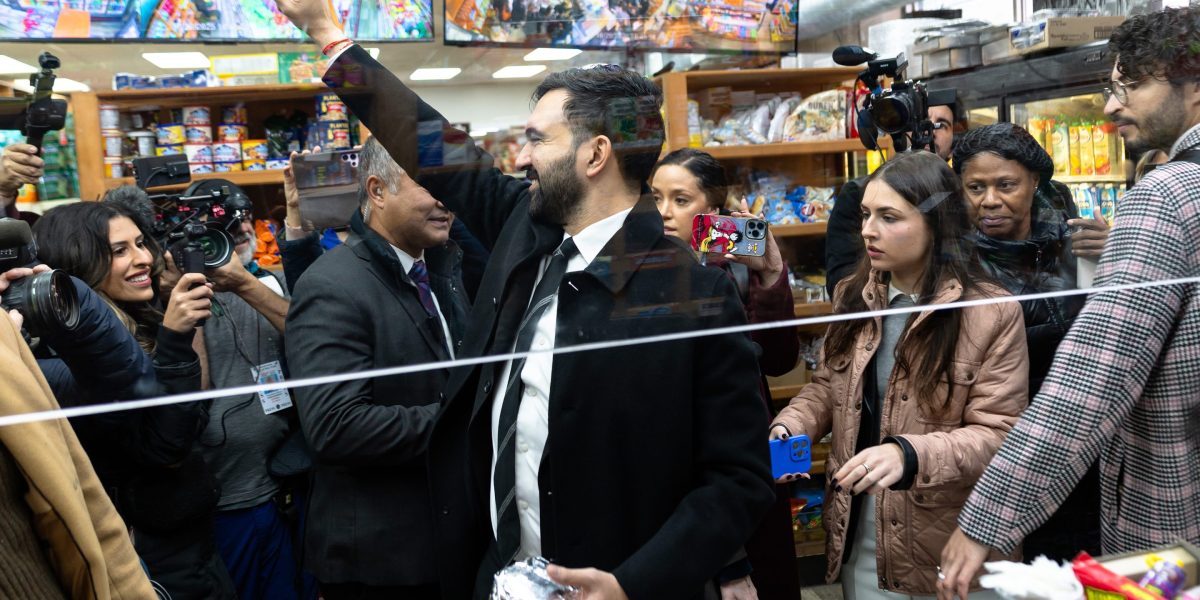
New York City is moving closer to launching its effort to counter food inflation by opening five city-run grocery stores. Mayor Zohran Mamdani announced in May 2026 that the first store would open in the Hunts Point neighborhood of the South Bronx in 2027, with another in East Harlem to follow.
Five stores, one in each borough, are unlikely to substantially change grocery prices in a city with nearly 1,000 supermarkets and more than 8 million inhabitants. But each could make a meaningful difference to the grocery bills of local shoppers by selling essentials at below-market prices.
Even with just five planned stores set to open in lower-income neighborhoods, the initiative has ignited fierce opposition from independent grocers, supermarket trade associations and a coalition representing immigrant-owned food businesses.
As a food policy scholar, I believe this opposition is about more than the immediate economic impact of five stores. It is about the precedent they could establish. Mamdani’s initiative challenges an entrenched expectation that the government should leave the provision of consumer goods to private enterprise even as it encourages businesses to invest in certain locations, regulates their activities and helps low-income shoppers through various food assistance programs.
The reality is more complicated. For at least a century, New York’s food economy has not operated independently of government. In fact, public policies and investments have long shaped where supermarkets open, which businesses can operate with a profit, and how residents obtain food.
That is why the five grocery stores carry a broader significance, in my view. They offer a different model of public investment that makes the government much more visible in providing an essential service – and more accountable for its results. New Yorkers will get an opportunity to judge that contribution directly.
If the stores succeed, they may change not just what people expect to pay for groceries, but…
New…
Opening of the article, excerpted from Fortune. To read the rest, open the article on the publisher's site.
MarketNews shows the headline and summary published by the outlet. The full article is on the publisher's website. (fortune.com)