Shipping review shows further pain ahead as disruption fuels cost of living crisis
Résumé détaillé
Major disruption to global shipping routes led to zero growth in maritime trade in 2026, after the industry expanded by almost 2 per cent last year, a UN forum has heard.Pedro…
Major disruption to global shipping routes led to zero growth in maritime trade in 2026, after the industry expanded by almost 2 per cent last year, a UN forum has heard.
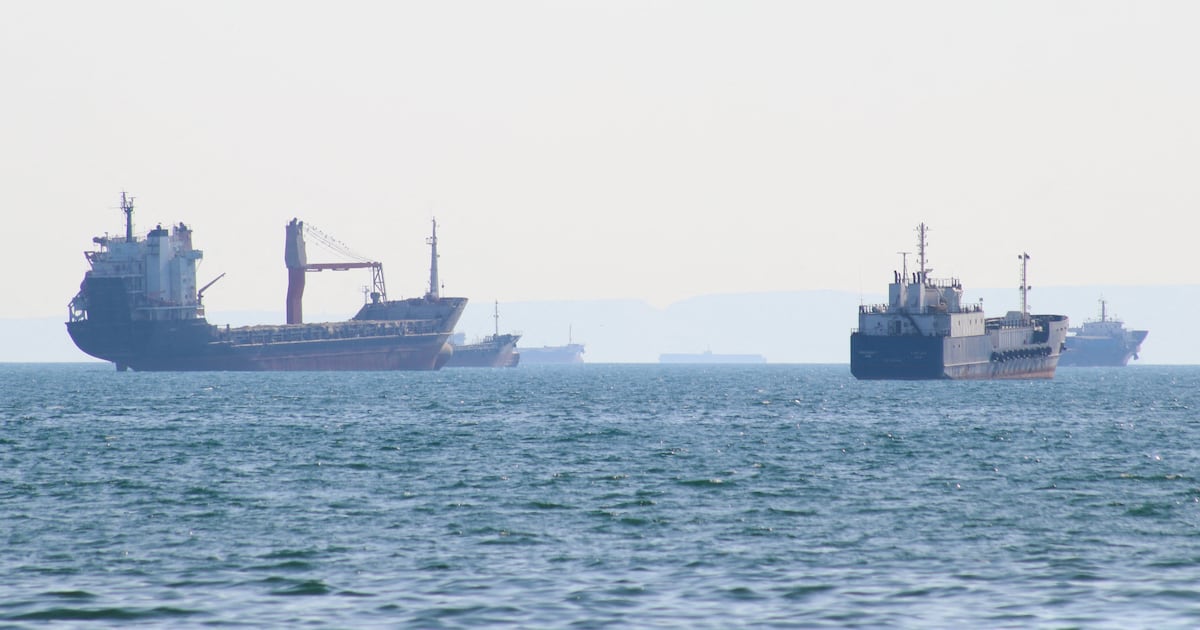
Pedro Manuel Moreno, acting secretary general of the UN trade and development agency, UNCTAD, said the world's most important maritime routes were under severe pressure.
He spoke at a conference to launch UNCTAD's Review of Maritime Transport 2026.
“The review shows how disruption at sea can quickly translate into higher costs across the global economy, and why stronger preparedness and international co-operation are essential,” Mr Moreno said.
“Disruptions to shipping translate into higher transport, energy and food costs, with developing economies often bearing the greatest burden.”
Attacks on vessels crossing the Strait of Hormuz have intensified since the US-Iran war began on February 28.
Shipping traffic through the waterway has been sharply below pre-war levels, averaging about four to 28 ships per day in late November, depending on the tracking source, compared to 85 to 140 ships per day before war.
As of November 23, the International Maritime Organisation confirmed 141 attacks across the Strait of Hormuz and the wider Middle East, with 25 confirmed seafarer deaths.
The UK Maritime Trade Operations (UKMTO), meanwhile, has reported 53 incidents between March and September, but attacks have ramped up since then with about 30 attacks in October.
Début de l'article, extrait de The National. Pour lire la suite, ouvrez l'article chez le média.
MarketNews présente le titre et le résumé publiés par le média. L'article complet se lit sur le site de l'éditeur. (www.thenationalnews.com)