As Chinese EVs reshape Thailand's car industry, higher taxes bring new uncertainty
Résumé détaillé
Thailand is sharply increasing taxes on imported electric vehicles to encourage domestic manufacturing and protect its established automotive industry. But the policy could raise…
Thailand is sharply increasing taxes on imported electric vehicles to encourage domestic manufacturing and protect its established automotive industry. But the policy could raise prices and narrow consumer choice, experts said.
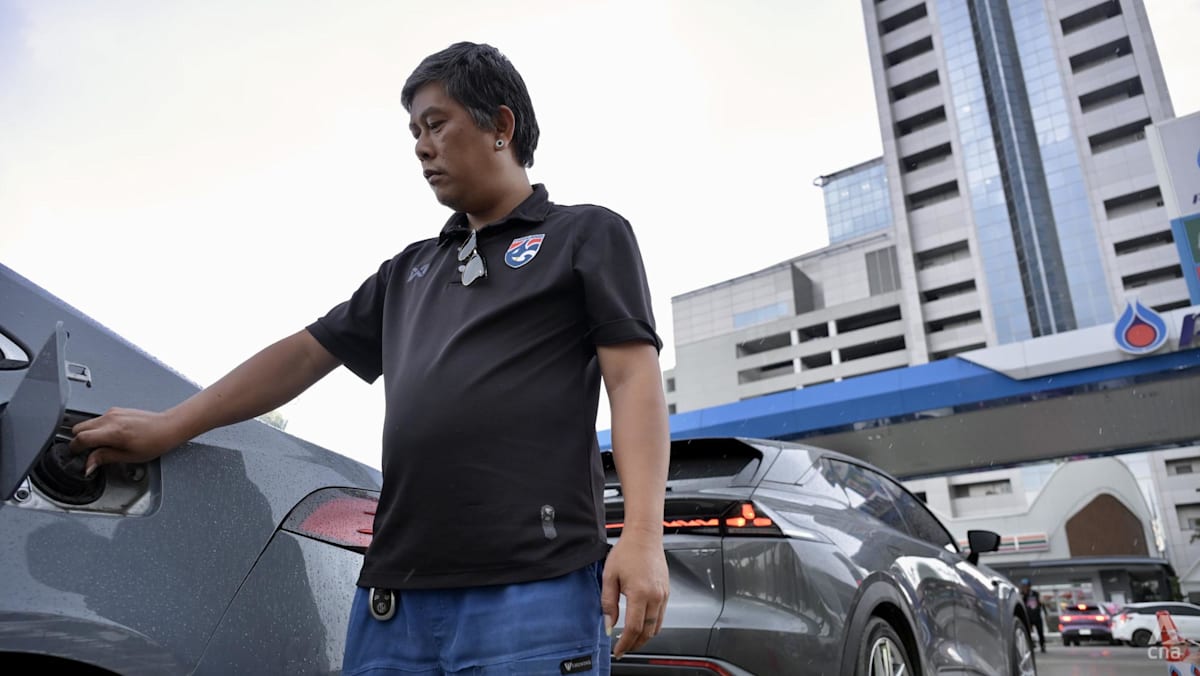
BANGKOK: During his long days driving through Bangkok's congested streets, 66-year-old ride-hailing driver Pichai Phungmai is counting every cost.
The former interior decorator has been working for Grab for the past eight months. To keep costs down as fuel prices rocketed this year, he converted his Toyota Altis to run on gas rather than petrol, bringing down his daily bill down to between 200 baht and 300 baht (US$6 - US$9).
Now, Pichai is considering an upgrade to an electric vehicle (EV), attracted by their performance, comfort and appearance, as well as the prospect of lower running costs.
They have also become relatively affordable to buy, with many popular models priced between 500,000 baht and 900,000 baht, helped by government subsidies aimed at encouraging the adoption of cleaner vehicles.
Thailand is changing the rules of its electric vehicle transition and plans a steep tax rise from Jan 1, 2027 on imported EVs with the stated goal of protecting domestic manufacturing and attracting more local production.
The government will increase excise taxes on fully imported EVs from 10 per cent to 35 per cent from next year, widening a price advantage enjoyed by qualifying locally manufactured vehicles, which currently only face a 2 per cent tax.
An excise tax is an indirect tax charged by the government on the sale of a particular good or service.
The higher tax is intended to reward companies that build domestically, protect established automotive investment and encourage Thai suppliers to shift their production further into the EV supply chain, after years of reliance on Japanese auto giants.
Début de l'article, extrait de CNA. Pour lire la suite, ouvrez l'article chez le média.
MarketNews présente le titre et le résumé publiés par le média. L'article complet se lit sur le site de l'éditeur. (www.channelnewsasia.com)