A family photo, a hand to hold: An occupational therapist learnt what matters most to dying patients
Detailed summary
Some patients worry less about dying than about the loved ones they will leave behind. For St Luke’s Hospital occupational therapist Esther Lim, caring for people nearing the end…
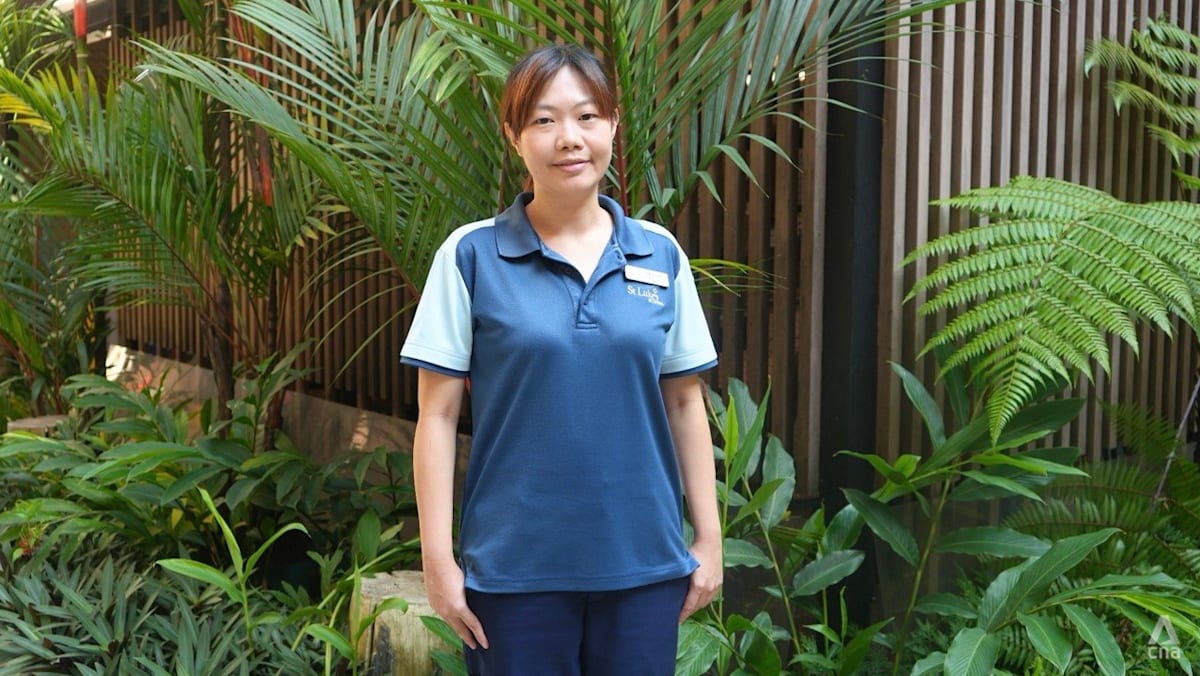
Some patients worry less about dying than about the loved ones they will leave behind. For St Luke’s Hospital occupational therapist Esther Lim, caring for people nearing the end of life has revealed their regrets, surprisingly simple wishes and moments of joy.
After working with terminally ill patients at St Luke’s Hospital for the past three years, occupational therapist Esther Lim has observed how patients’ priorities shift as they approach the end of life. In the face of death, many think about loved ones they will leave behind.
One elderly patient wanted a makeover and photo shoot with his loved ones. Another asked to return home and spend his remaining time with family.
Other patients wrote letters, made cards or recorded messages for their loved ones, while some wanted to reconcile with an estranged family member.
“When time is limited, the priorities often become much clearer,” said the 40-year-old. “A fair share of our patients are concerned not so much for themselves, but whether their loved ones can cope emotionally or financially after they are gone.”
Some patients also reflect on their lives, expressing regret that they spent so much time on work and had less time for the people they loved, she added.
Working in the palliative care ward, Lim is part of a multidisciplinary team that helps patients navigate the last days of their lives.
Patients admitted to the ward generally have a prognosis of three months or less, said Lim. They may have conditions such as advanced cancer, end-stage organ failure or neurological conditions, including late-stage dementia.
Lim joined the community hospital in Bukit Batok in 2014, rotating through several wards before working with palliative care patients in 2023. Her patients range in age from their 30s to over 100.
Opening of the article, excerpted from CNA. To read the rest, open the article on the publisher's site.
MarketNews shows the headline and summary published by the outlet. The full article is on the publisher's website. (www.channelnewsasia.com)