When will the 2028 presidential race heat up? Here's how it works
Résumé détaillé
Possible contenders have been laying the groundwork for months with travel around the country, midterm appearances and behind-the-scenes work.
This is read by an automated voice. Please report any issues or inconsistencies here.
WASHINGTON — The 2028 presidential election will be the first since 2016 in which the primaries for both major parties are wide open, without a sitting or former president running for reelection.
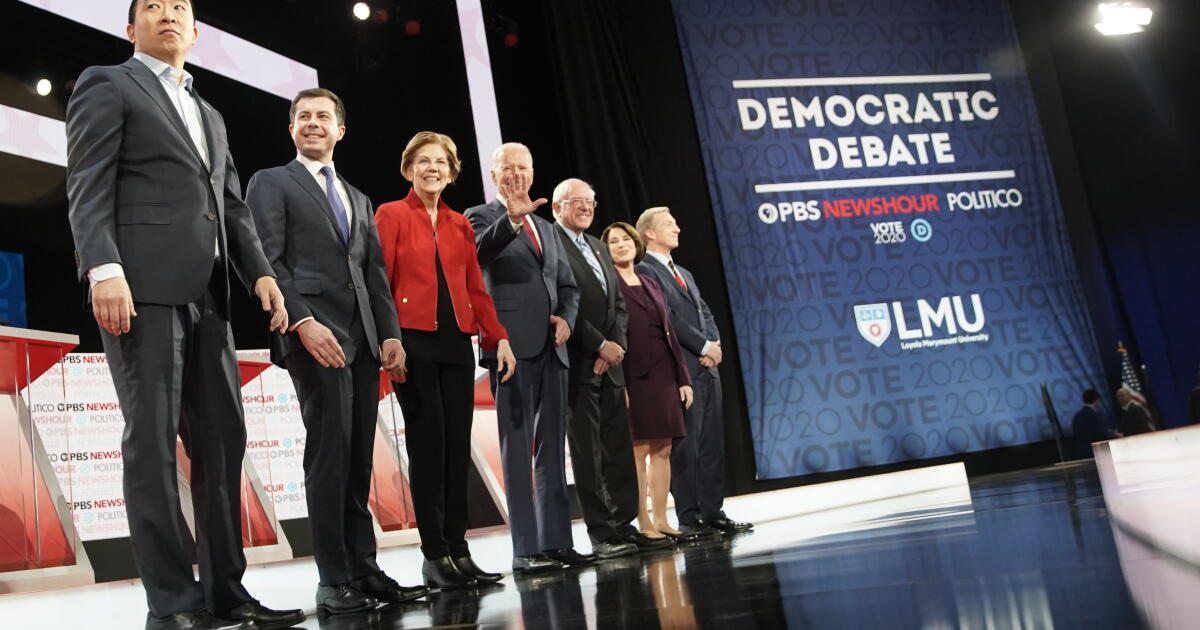
The contests will be hot — on the Democratic side, a sprawling candidate field is anticipated; on the Republican side, the race is not just for the nomination but a battle over the party’s post-Trump path.
Possible contenders have been laying the groundwork for months with travel around the country, midterm appearances and behind-the-scenes work. The process will heat up over the coming months as candidates begin declaring their intentions.
Potential candidates have been in the testing-the-waters phase, traveling to early primary states such as South Carolina and New Hampshire, talking with party leaders and thinking about early staff hires. Contenders need to court staff with presidential-election experience and get influential party figures, such as governors and state lawmakers, on their side as early as possible.
Speaking with donors is also a critical part of the process, said Thomas Kahn, faculty fellow at American University’s Center for Congressional and Presidential Studies.
“They need to make sure that they have the resources which are necessary,” Kahn said, to sustain them “through the early primaries, to be able to hire a staff and run a campaign.”
The 2028 presidential election will be a race to chart America’s course after a decade that has been dominated by President Trump.
Meanwhile, draft committees are being formed by supporters of possible candidates. Such committees raise funds and undertake grassroots organizing in an effort to demonstrate robust support for the potential candidate’s run.
Début de l'article, extrait de Los Angeles Times. Pour lire la suite, ouvrez l'article chez le média.
MarketNews présente le titre et le résumé publiés par le média. L'article complet se lit sur le site de l'éditeur. (www.latimes.com)