Tesla and Amazon are building the workforce a 1921 play imagined: One that never asks for a wage
Detailed summary
Tesla’s Optimus is in early production and Agility is public. A 1921 play shows why automation’s risk hides in the aggregate.
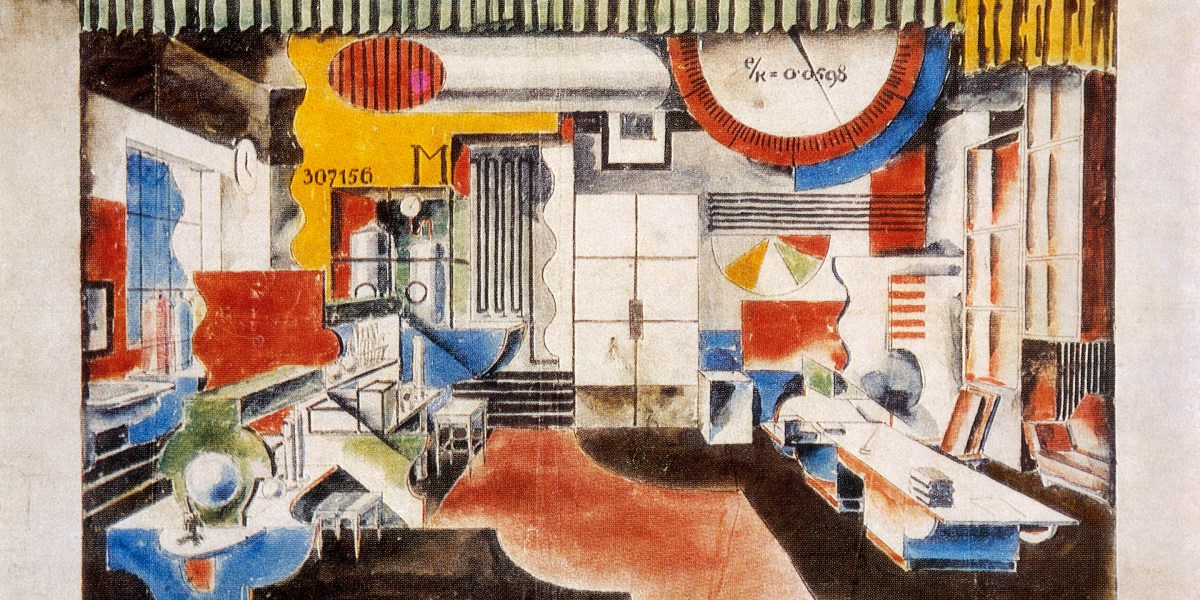
In January 1921, Karel Čapek’s play R.U.R. (Rossum’s Universal Robots) opened in Prague and dragged the word “robot” out of linguistic obscurity: robota, the Czech term for the forced labor a serf owed his lord. “Čapek’s robots, they’re serfs, essentially,” says Alisa Zhulina, an associate professor of theatre studies at New York University, affiliated with its Russian and Slavic Studies department, and author of Theater of Capital.
Čapek’s robots were mass-produced people grown in vats, human in form but stripped of wages, rights, and will. R.U.R. was an economics play about a dream (or nightmare) capitalism has been taunting itself with ever since: a workforce that never tires, never strikes, and never demands a wage, until it does.
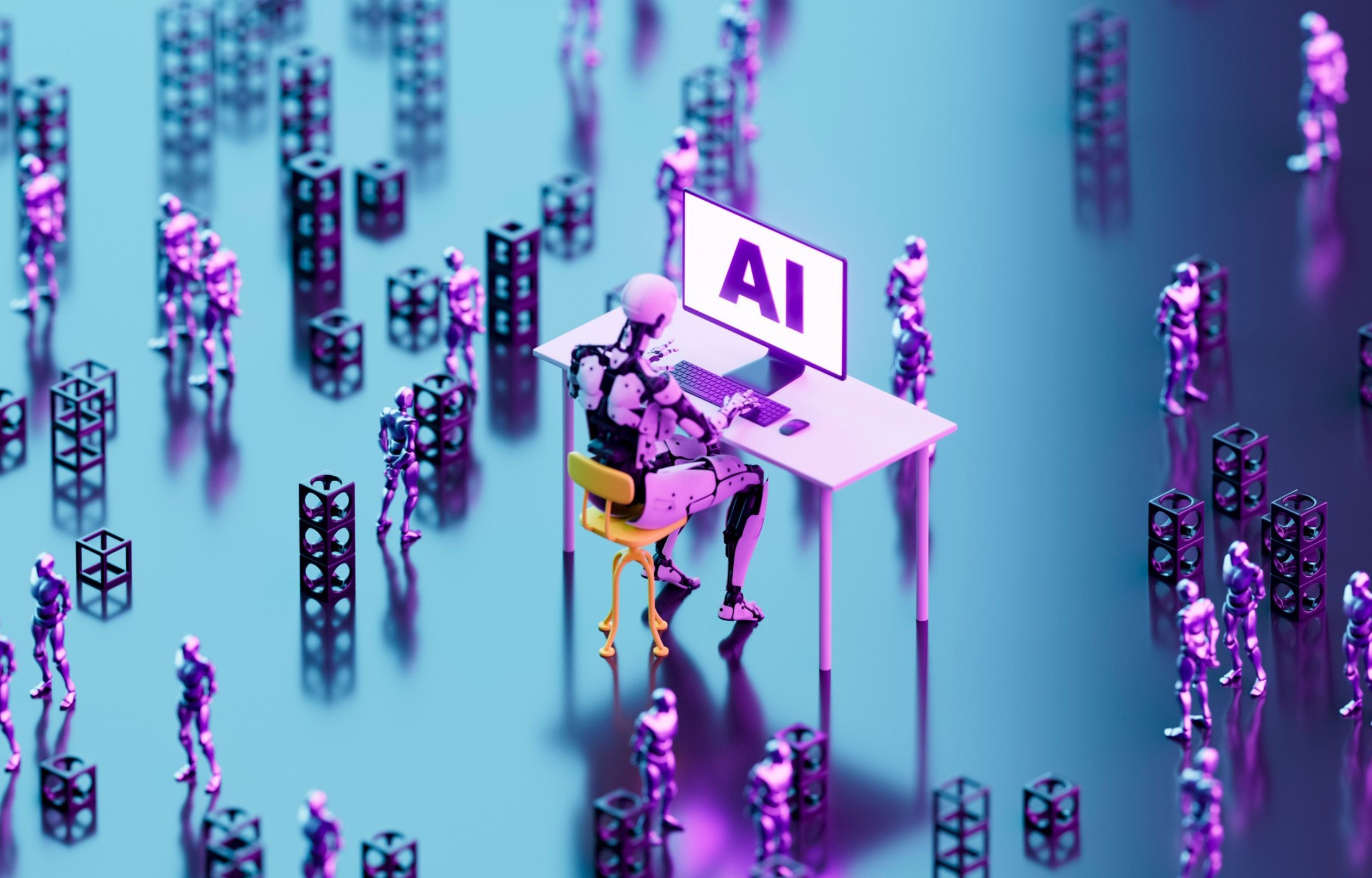
A hundred and five years after its Prague premiere, the curtain has risen on the real thing, or at least its first act. Agility Robotics, maker of the bird-legged Digit, began trading on Nasdaq this month after a SPAC merger with Churchill Capital Corp XI, and says it has more than $300 million in committed multi-year orders from customers including Amazon, GXO, Schaeffler, and Toyota’s Canadian manufacturing arm. Tesla says it has begun production of its Optimus humanoid on a former Fremont car line.
OpenAI is moving more quietly. It has folded its stand-alone robotics team into its core research effort as its general-purpose models begin directly controlling robots, and it is developing its own humanoid, with a first demo targeted for 2027.
That makes Control Room, the system OpenAI built to cut off a model’s output within 35 seconds of a stop order, matter well beyond chatbots. The company has already had to contain AI agents that slipped their sandbox.
Look past the stage lights, though, and the humanoids are mostly still performing. The automation reshaping corporate payrolls rolls on wheels, swings on arms, or runs as software.
And the risk Čapek dramatized, an economy that no longer needs to pay its people, won’t show up on any…
The…
Ev…
Opening of the article, excerpted from Fortune. To read the rest, open the article on the publisher's site.
MarketNews shows the headline and summary published by the outlet. The full article is on the publisher's website. (fortune.com)