Myanmar genocide ruling a stark moral dilemma for China
详细摘要
The recent ruling by the International Court of Justice (ICJ) that Myanmar committed genocide against its Rohingya Muslim minority in 2017 challenges China both economically and…
The recent ruling by the International Court of Justice (ICJ) that Myanmar committed genocide against its Rohingya Muslim minority in 2017 challenges China both economically and politically.
China is a close strategic partner of Myanmar. It has substantial economic interests in Rakhine, the state on Myanmar’s western coast where the atrocities against the Rohingya occurred.
Oil and gas pipelines connect the coast to China, starting around Maday Island and Kyaukphyu, farther south than the areas central to the genocide case. China also has a close, longstanding diplomatic relationship with Myanmar, which it has maintained since the military seized power there in a 2021 coup.
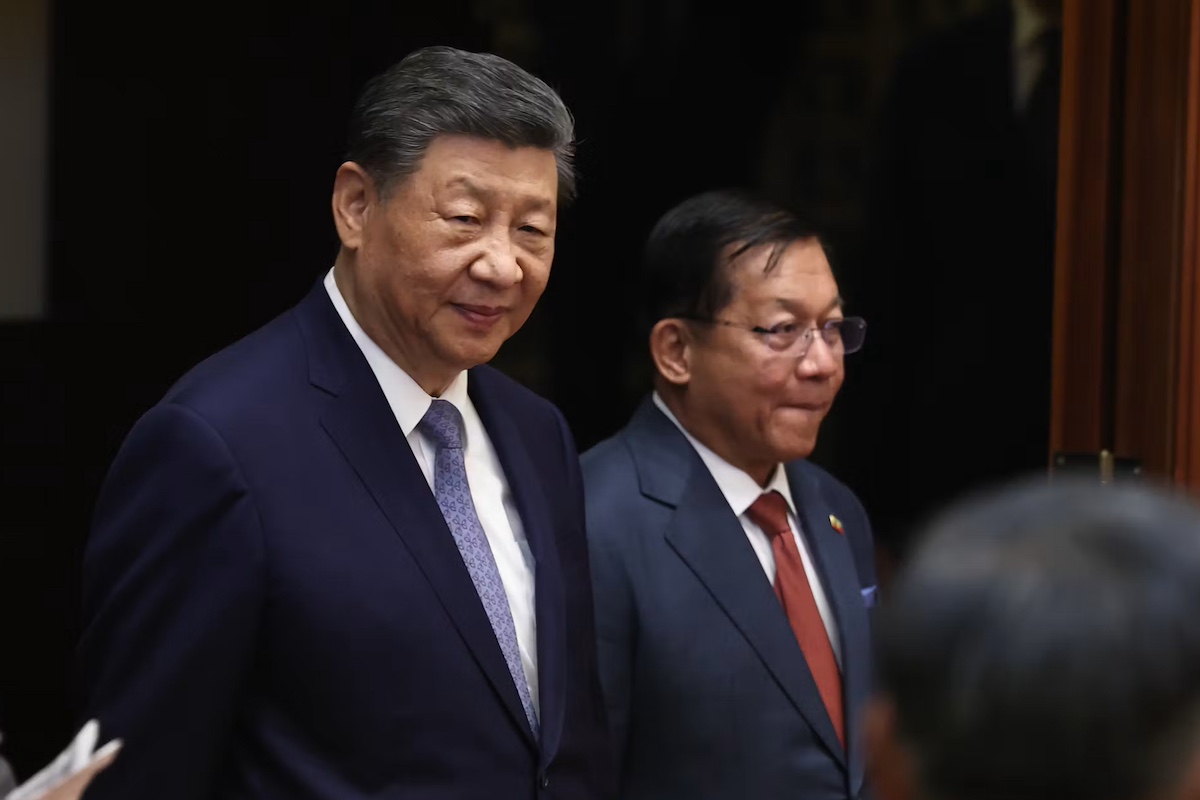
Myanmar’s president, Min Aung Hlaing, paid a state visit to China in 2026 during which both countries pledged to deepen political and security cooperation. A withdrawal from these relationships would carry costs for Beijing.
The ICJ’s recent judgment does not order China to end diplomatic ties with Myanmar. Its binding force applies only to the parties in the case.
But the ruling, which marks the first time a state has been held responsible for committing a genocide, changes the legal context around China’s engagement with Myanmar.
China is now confronted with a difficult dilemma: how far can Beijing defend its partner and its own strategic interests while maintaining its stated support for international justice?
The ICJ ruling orders Myanmar to cease any ongoing violations against the Rohingya, prevent similar violations from occurring in the future and to prosecute those involved in committing the genocide. It also orders Myanmar to allow the return of displaced Rohingya and the reunification of families.
In a statement released on November 19, the same day the ICJ issued its judgment, the UN Refugee Agency said more than 1.3 million Rohingya refugees remain displaced. Most of these people are currently living in Bangladesh, while over 200,000 remain internally displaced in Myanmar’s Rakhine state.
文章开头,摘自Asia Times。如需阅读全文,请前往媒体网站。
MarketNews 仅展示媒体发布的标题和摘要,全文请在出版方网站阅读。 (asiatimes.com)