Fewer list seats could squeeze Māori representation in Parliament - expert
Résumé détaillé
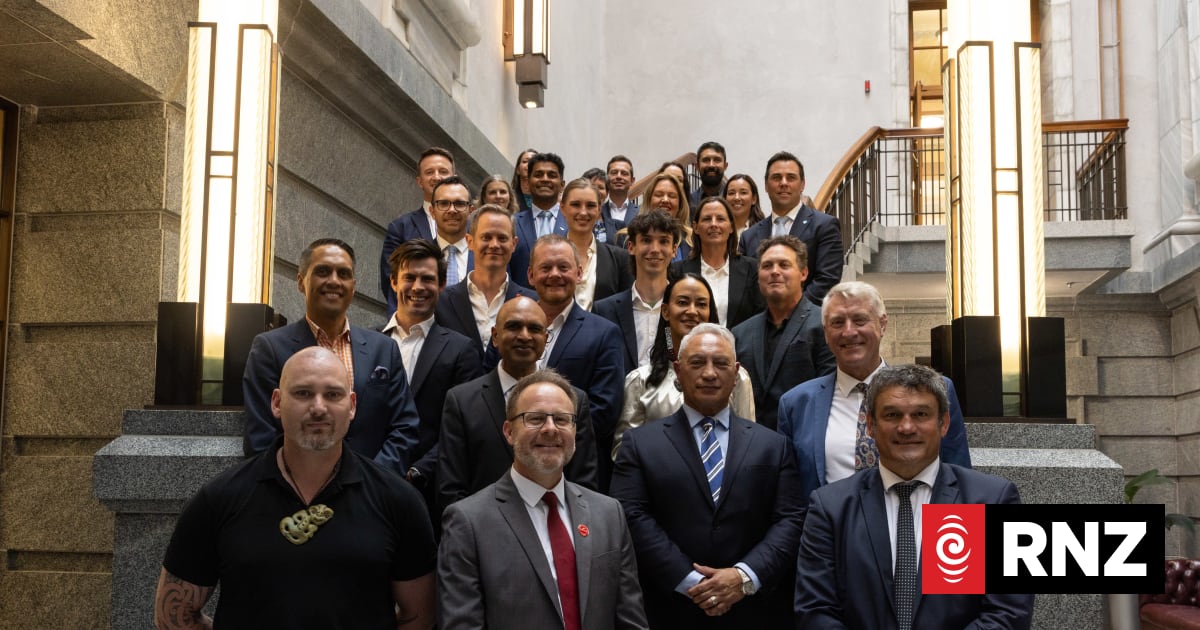
Māori representation in Parliament with 34 MPs at the start of the term, making up around 28 percent of Parliament.
2023 set a record for Māori representation in Parliament with 34 MPs at the start of the term, making up around 28 percent of Parliament.
While the makeup could change with the special votes, at least 35 Māori MPs have been elected this term - 27 percent of Parliament.
Associate professor in politics at Victoria University Lara Greaves (Ngāpuhi) told RNZ the proportion of Māori in Parliament has increased over the years, but has hit a ceiling in the high 20 percent range.
"Generally over the last couple of Parliaments, we have tracked in that high 20 percent kind of range. And so with the overhang, of course, the numbers of Parliament change, so the percentages change, but generally we've had a similar number of Māori MPs across different elections, a similar kind of proportion."
Māori representation is also spread across the entire political spectrum. Te Pāti Māori is, of course, 100 percent made up of Māori, both NZ First and the Greens are 50 percent Māori, and ACT is 23 percent.
National's Māori MPs, like all its MPs, entered Parliament via the electorates.
"There's going to be a real struggle within National now because they're so reliant on the electorate MPs. So someone has to get into a winnable, a relatively safe electorate now to become a National MP.
"And so what we've seen is that actually the proportion that are Māori, generally they haven't selected Māori for those safe seats over time. People have said, well, actually the list is where diversity comes through," Greaves said.
Labour will bring two new Māori MPs into Parliament in Mananui Ramsden and Kingi Kiriona.
Début de l'article, extrait de RNZ. Pour lire la suite, ouvrez l'article chez le média.
MarketNews présente le titre et le résumé publiés par le média. L'article complet se lit sur le site de l'éditeur. (www.rnz.co.nz)