Iran's flogging of Parastoo Ahmadi seen as pushback from hardliners under pressure
详细摘要
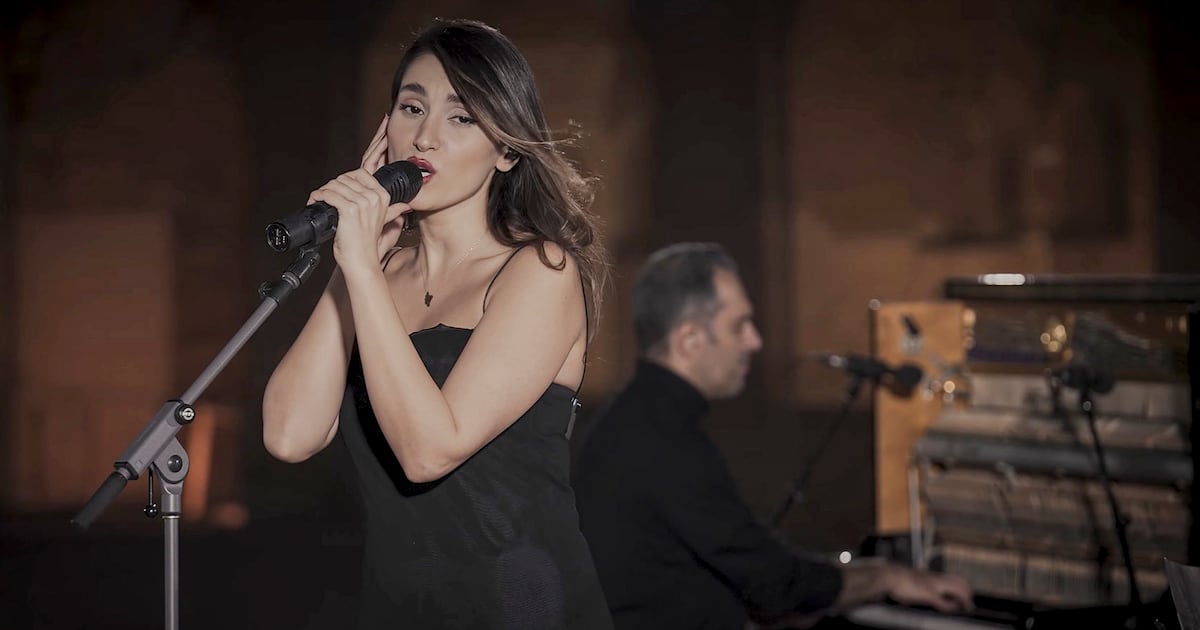
Iran's flogging of singer Parastoo Ahmadi and four members of her production team has reignited debate over social freedoms in the country, with analysts and insiders saying the…
Iran's flogging of singer Parastoo Ahmadi and four members of her production team has reignited debate over social freedoms in the country, with analysts and insiders saying the punishment reflects the clerical leadership's attempts to project authority amid mounting economic and political pressure.
Ms Ahmadi, 29, and her team each received 74 lashes on Monday over a livestreamed concert in which she appeared without a headscarf and with her shoulders uncovered while performing alongside male musicians, in defiance of Iran's strict dress and conduct codes.
The punishment, carried out two years after footage of the performance near the holy city of Qom first appeared online, shocked many Iranians who had grown accustomed to a more relaxed enforcement of morality laws following nationwide protests that erupted in 2022.
"I think the authorities are sending a message of fear through the flogging," said London-based Iranian singer Saba Robatjazy, who performs under the stage name Emma and sang with Ms Ahmadi as a child.
Iran's leadership is facing growing economic hardship exacerbated by months of conflict and lingering public discontent following anti-government demonstrations that challenged clerical rule.
Several Iranian officials and establishment insiders told Reuters the punishment was intended to deter dissent and reassure hardline supporters who are increasingly alarmed by declining compliance with compulsory veiling and other social restrictions.
The Iranian government maintains that the judiciary operates independently and that such punishments are not politically motivated.
Analysts say concern is rising within the ruling establishment ahead of the anniversary of last winter's mass protests over the economy. There are fears that economic grievances could once again trigger unrest.
"They know it's going to be a hard winter," Alex Vatanka of the Middle East Institute told Reuters.
文章开头,摘自The National。如需阅读全文,请前往媒体网站。
MarketNews 仅展示媒体发布的标题和摘要,全文请在出版方网站阅读。 (www.thenationalnews.com)