DOGE cuts cost tribes $470M, gutting funding for climate projects
Detailed summary
Every year, Kotzebue, a small city in northwest Alaska, has a three-month window to receive all the diesel fuel it will use throughout the following year. It sits on a ...
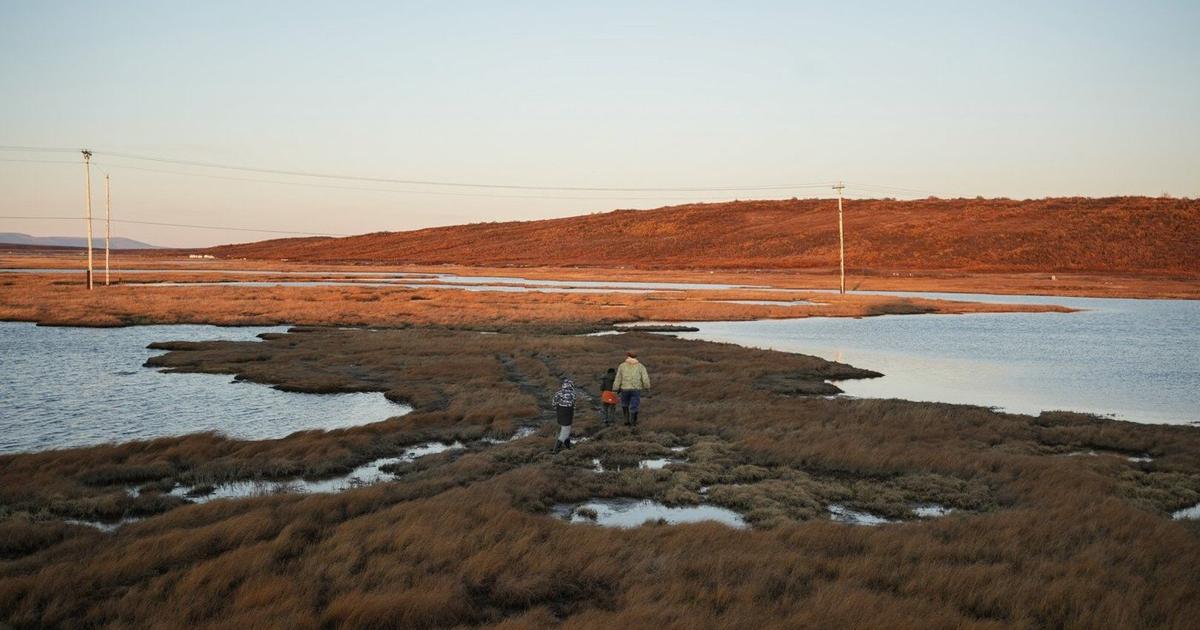
Every year, Kotzebue, a small city in northwest Alaska, has a three-month window to receive all the diesel fuel it will use throughout the following year. It sits on a gravel spit that juts into Kotzebue Sound just north of the Arctic Circle, and is accessible only by air and sea. Ice keeps freight barges from reaching it for most of the year.
The community relies on diesel for 75 percent of its power, and residents put about 20 percent of their income toward buying it. That’s more than three times the average energy burden for low-income households nationwide.
“We’re pretty much at the mercy of world markets,” Chad Nordlum, who is the energy project manager for the Native Village of Kotzebue, told Grist. “Right now, with the Iran war going on, the diesel prices are very high and we’re locked in to much higher prices than we’ve had in the past. There’s really nothing the community can do about diesel prices, but what we can do is produce our own energy.”
That’s why Nordlum was so excited about a $20 million grant from the Environmental Protection Agency to support a wind energy project. The funding, announced in 2024, was part of a larger $150 million allocation for tribal infrastructure in Alaska. Nordlum says it would have lowered the community’s reliance on diesel to about 40 percent to 50 percent and given the tribe more control over energy and economic decisions.
But the Trump administration canceled the grant in May 2025. More than a year later, the project remains paused.
That cut was among hundreds of millions of dollars the Department of Government Efficiency pulled from Indian Country, and part of a broader pattern of funding rollbacks and underinvestment in Indigenous communities. Two new reports from the Brookings Institution show that the so-called One Big Beautiful Bill Act killed many of the funding streams established by the 2022 Inflation Reduction Act, while DOGE eliminated another $468 million, about half of which was allocated for environmental and…
Ac…
Opening of the article, excerpted from Toronto Star. To read the rest, open the article on the publisher's site.
MarketNews shows the headline and summary published by the outlet. The full article is on the publisher's website. (www.thestar.com)