CFB Wainwright incident casts spotlight on reserve pay disparities: former bureaucrat
Detailed summary
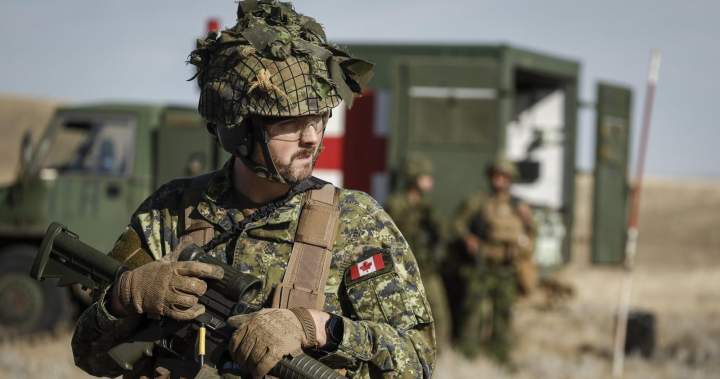
Four soldiers died and 39 others — including several reservists — were injured when a fire suddenly overtook a training area at CFB Wainwright last month.
A former director general for the Canadian military’s reserves and cadets says the tragic incident at Canadian Forces Base Wainwright casts a spotlight on disparities in pay and benefits for reservists.
John Milne, a retired major-general, told The Canadian Press reservists on short-term contracts get less compensation than the regular force members they train with. He said the recent training accident at CFB Wainwright shows those short-term reservists face the same risks as their regular force colleagues.
Four soldiers died and 39 others — including several reservists — were injured when a fire suddenly overtook a training area at CFB Wainwright last month.
Military pay is not a straightforward matter and is calculated based on a range of factors.
Unlike regular force members, reservists usually study or work at full-time civilian jobs while they serve under one of a number of different service classes for the military. Those service classes affect how their benefits are determined.
Milne — who has written academic papers on military pay structure — said the formula the federal government uses to calculate daily reservist pay has amounted to an earnings penalty of roughly 32 per cent for part-time reservists compared to the regular force.
He said it’s a “matter of equity” and the daily rate for reservists should be made the same as what regular force members get. He also said the policy governing their benefits should be rewritten to be more fair.
“As the government grows and increases its military commitments and has intentions of using reservists in more dangerous and more complex environments, then it’s a matter of equity that the daily rate for the reservists should actually be the same as the daily rate for the regular,” he said.
Reservists injured in training also normally receive lower-tier compensation and benefits during their recovery, Milne said.
Opening of the article, excerpted from Global News. To read the rest, open the article on the publisher's site.
MarketNews shows the headline and summary published by the outlet. The full article is on the publisher's website. (globalnews.ca)