Yemen crisis deepens as renewed fighting displaces hundreds of thousands
Résumé détaillé
Renewed fighting, severe funding shortages and restrictions on aid access are pushing Yemen's response to the current crisis “to breaking point”, UN Humanitarian chief Tom…
Renewed fighting, severe funding shortages and restrictions on aid access are pushing Yemen's response to the current crisis “to breaking point”, UN Humanitarian chief Tom Fletcher and the Norwegian Refugee Council have warned.
Yemen's decade-long civil war, though largely dormant since 2022, reignited abruptly this summer as the Iran conflict spilt over into the country.
The Iran-aligned Houthi rebels made rapid gains, capturing Red Sea coastal areas as well as the Bab Al Mandeb strait, while besieging government forces in Taiz, the country’s third-largest city in the mountains overlooking the approach to Aden.
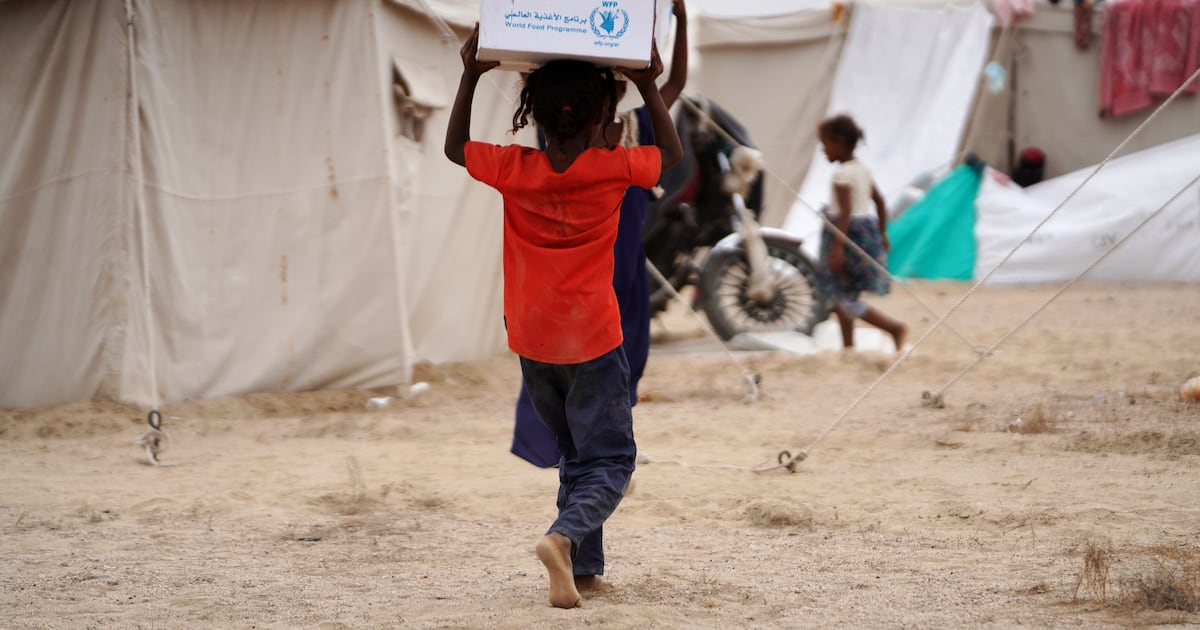
Renewed fighting has forced more than 364,000 people from their homes since August, including tens of thousands in the past week alone, Mr Fletcher said during a visit to Yemen. He warned that civilians were being killed, and hospitals and first responders were coming under attack.
“Fighting, insecurity and heavy restrictions along key supply routes are preventing families from accessing the food and medicine they need to survive,” Mr Fletcher said. “Millions are hungry.”
Norwegian Refugee Council Secretary General Jan Egeland, who is also visiting Yemen, said renewed fighting and air strikes at several front lines had uprooted hundreds of thousands of residents while the international response had “withered”.
“The situation across the country was already catastrophic, with long-term displacement and humanitarian needs growing almost entirely out of sight,” Mr Egeland said.
“But now fighting has again displaced entire communities, while disrupted supply routes have driven up food and fuel prices. Across the country, families who were already struggling to survive are being pushed deeper into hunger.”
The council said Yemen’s humanitarian response faces a severe funding shortfall, with only 12 per cent of the funding needed for emergency shelter support received so far, sharply limiting the ability of aid organisations to assist displaced people.
Début de l'article, extrait de The National. Pour lire la suite, ouvrez l'article chez le média.
MarketNews présente le titre et le résumé publiés par le média. L'article complet se lit sur le site de l'éditeur. (www.thenationalnews.com)