Jensen Huang built Nvidia into a $4 trillion AI giant but owned less than 4% of it, leaving him without the super-voting power to protect his CEO role
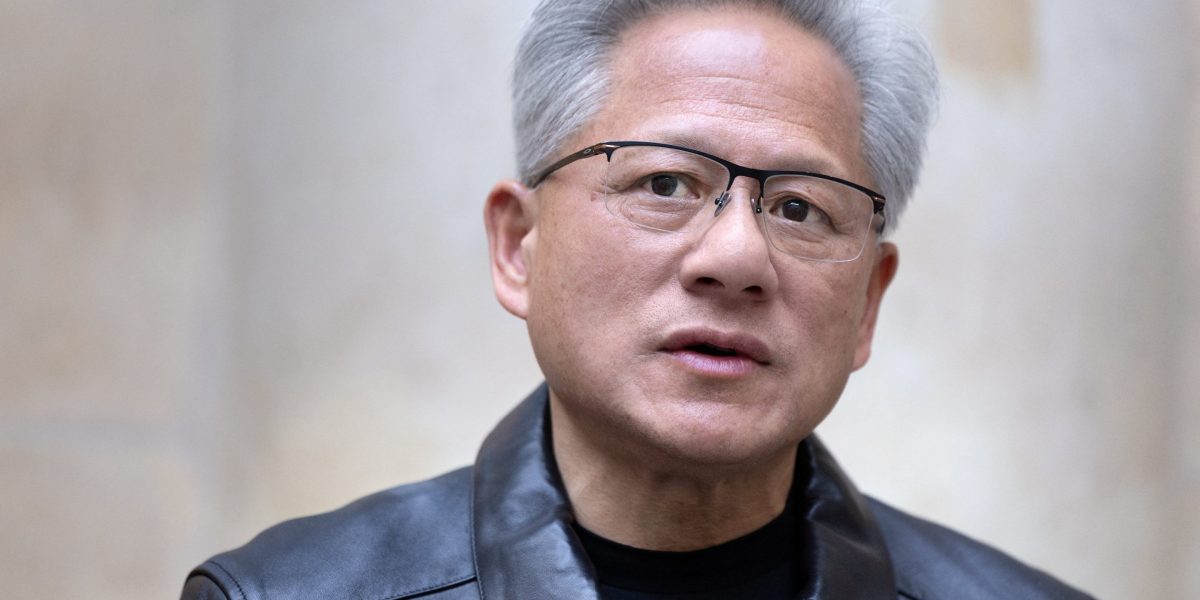
Detailed summary
Huang was the largest individual shareholder, but couldn’t decide the makeup of the board on his own due to the company’s voting structure.
Jensen Huang, the billionaire ex-Nvidia CEO who took the company from a small player in the video game graphics industry to the chipmaker at the center of the AI revolution, once made a surprising revelation: He could be fired at any time.
“In a well-governed company, the CEO was always designed to report to the board of directors and the board of directors report to shareholders,” Huang said in a January podcast interview with Jodi Shelton. “If the CEO doesn’t do his job according to 12, 13, 15 board members, however sized the board is, that CEO is let go.”
This reality sets Nvidia apart from other Silicon Valley companies, especially those still run by a cofounder. That includes Meta, where CEO and cofounder Mark Zuckerberg wields considerable power over the board due to its dual class share structure.
On Thursday, Huang resigned from the company that he cofounded and led over the past 33 years after publicly admitting to being unfaithful to his wife. Nvidia’s board opened an independent investigation into Huang and the possibility he may have been a target of a foreign intelligence operation after reporting by the New York Times explored his close relationship with a businesswoman that U.S. intelligence identified as a Chinese spy. Huang reportedly had another affair with an Nvidia executive who reported to him, according to the New York Times. On Thursday, the board appointed CFO Colette Kress as interim CEO.
Still, Huang said in that January interview any future Nvidia CEO would not measure up to him.
“There will never be one like me, and the reason for that is because I was raised by the company,” he said at the time.
Despite being the company’s largest individual shareholder, Huang did not have unparalleled voting control over his company or outsized control over the company’s board, like other founders.
Huang owned about 870.6 million Nvidia shares, or about 3.58% of the company as of March, according to the company’s 2026 proxy statement.
Because of Nvidia’s…
Opening of the article, excerpted from Fortune. To read the rest, open the article on the publisher's site.
MarketNews shows the headline and summary published by the outlet. The full article is on the publisher's website. (fortune.com)