Beko Puts the Home at the Centre of COP31's Electrification Debate
Detailed summary
As electricity demand rises, Beko CEO Can Dinçer makes the case at COP31 for efficient, connected appliances that do more than consume power; they help manage demand. ANTALYA,…
As electricity demand rises, Beko CEO Can Dinçer makes the case at COP31 for efficient, connected appliances that do more than consume power; they help manage demand.
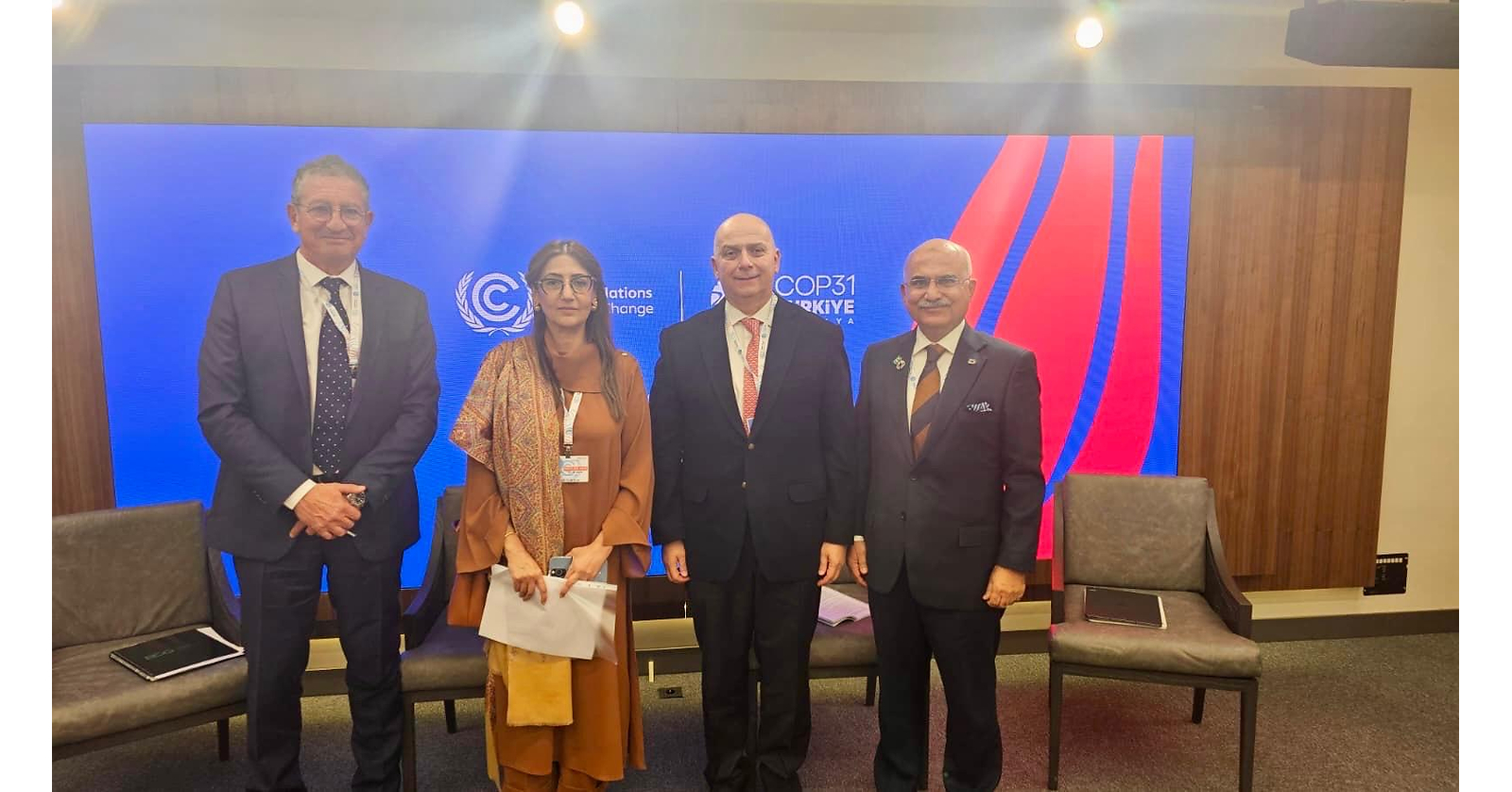
ANTALYA, Türkiye, Nov. 12, 2026 /PRNewswire/ -- Beko CEO Can Dinçer argued at COP31 that the energy transition has to electrify smarter as well as faster, and that much of that work happens at home. Speaking on the panel, 'From Efficiency to Resilience: The Role of the Home-Appliance Industry in the Energy Transition', at the pavilion of Beko's parent company, Koç Holding, Dinçer set out the role energy-efficient home appliances can play in meeting growing electricity demand while reducing emissions and household energy costs.
The panel brought together Dr. Bilal Düzgün, Deputy Head of Energy Efficiency and Environment Department at the Turkish Ministry of Energy and Natural Resources; Paolo Falcioni, Director General of APPLiA; Dr. Mine Işık, IEA Energy Policy & Modeling Expert; and Can Dinçer, and was moderated by Ana Maria Carreno, Senior Director of Climate at CLASP.
Global electricity demand grew 3% in 2025 and is forecast to grow 3.6% in 2026, according to the International Energy Agency's Electricity Mid-Year Update. Rising appliance ownership, air conditioning and heat pumps are among the drivers, alongside industrial growth, electric vehicles and data centres. Affordability is under pressure too: the same report finds that average spot wholesale electricity prices in the European Union were more than 30% higher year on year in the second quarter of 2026.
Türkiye's COP31 Presidency has introduced the '35 by 35' Global Electrification Pledge, which aims to raise electricity's share of global final energy consumption from just over 20% to 35% by 2035. It sits alongside the COP28 commitment to double the global average annual rate of energy efficiency improvements by 2030.
Meeting both goals means generating more clean power and using it more efficiently.
"Every kilowatt-hour saved at home can help…
Opening of the article, excerpted from PR Newswire. To read the rest, open the article on the publisher's site.
MarketNews shows the headline and summary published by the outlet. The full article is on the publisher's website. (www.prnewswire.com)

