Risk Of Nuclear Accident In Ukraine Increasing This Winter, Atomic Safety Regulators Say
Résumé détaillé
Since the start of the war, Zaporizhzhia has lost off-site power 27 times, the IAEA said on Saturday, forcing it to switch to emergency diesel generators. Since late March, the…
OSLO, Nov 16 (Reuters) - The risk of a nuclear accident in Ukraine is increasing this winter, nuclear safety regulators representing 38 countries said on Monday, urging Russia to stop its attacks on the country’s power infrastructure.
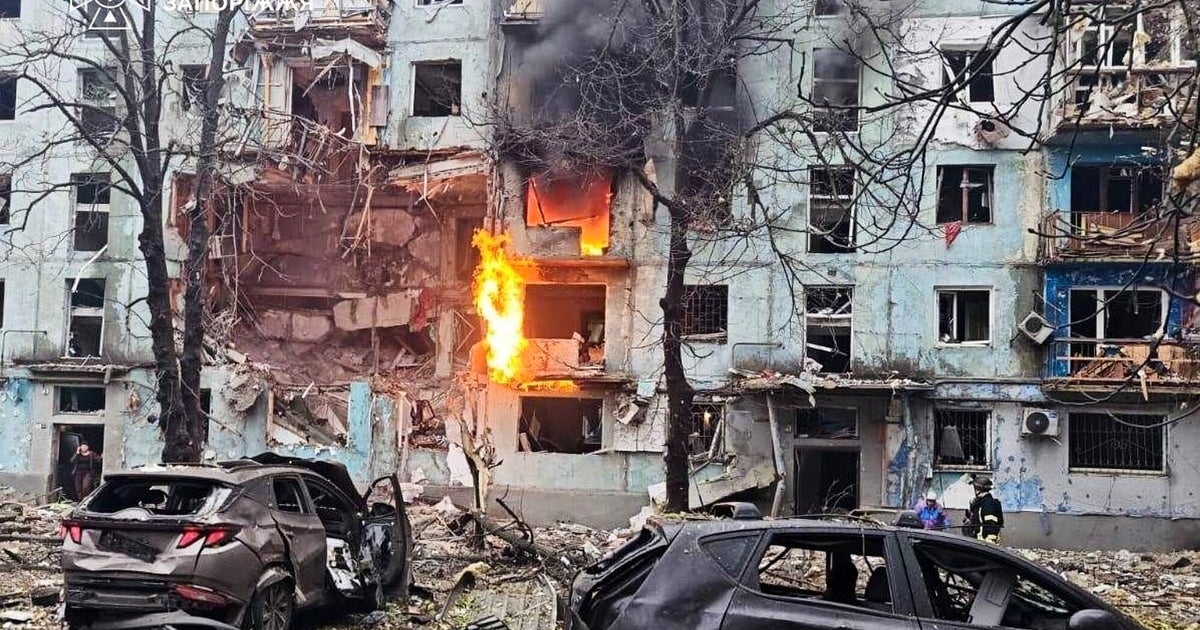
Moscow has stepped up its drone and missile attacks on Ukrainian energy installations, such as plants, power lines and electricity substations, a system already weakened after nearly five years of conflict.
“Together we... express our deep concern about the increasing risks to nuclear safety arising from Russia’s war against Ukraine, and its continued attacks on the country’s energy infrastructure,” the bodies said in a joint statement seen by Reuters ahead of publication.
“Together, (we) see an urgent need for Russia to cease attacks against Ukraine’s nuclear facilities and the energy infrastructure essential to their safe operation.”
The regulators’ key concern is that, without a stable electricity supply from the grid, it becomes more and more difficult for Ukrainian nuclear plants to keep their nuclear material cool and avoid a meltdown.
If that were to occur, there could be releases of radioactivity into the air as happened during the 1986 Chornobyl disaster, considered to be the world’s worst civil nuclear accident.
The accident spread iodine-131, caesium-134 and caesium-137 across parts of Ukraine, Belarus, Russia, and northern and central Europe.
The bodies behind the call are HERCA, the Heads of the European Radiological Protection Competent Authorities; WENRA, the Western European Nuclear Regulators Association; and NORA, the Heads of the Nordic Radiation Safety Authorities.
Together they represent 38 countries, including all EU countries, the US, Britain, Canada and Japan, among others.
Début de l'article, extrait de HuffPost. Pour lire la suite, ouvrez l'article chez le média.
MarketNews présente le titre et le résumé publiés par le média. L'article complet se lit sur le site de l'éditeur. (www.huffpost.com)