Respiratory illnesses rise in Gaza with worst to come as winter floods arrive, WHO says
Detailed summary
The World Health Organization warned on Friday of surging respiratory illnesses in Gaza, with worse expected after heavy rains flooded tens of thousands of tents housing displaced…
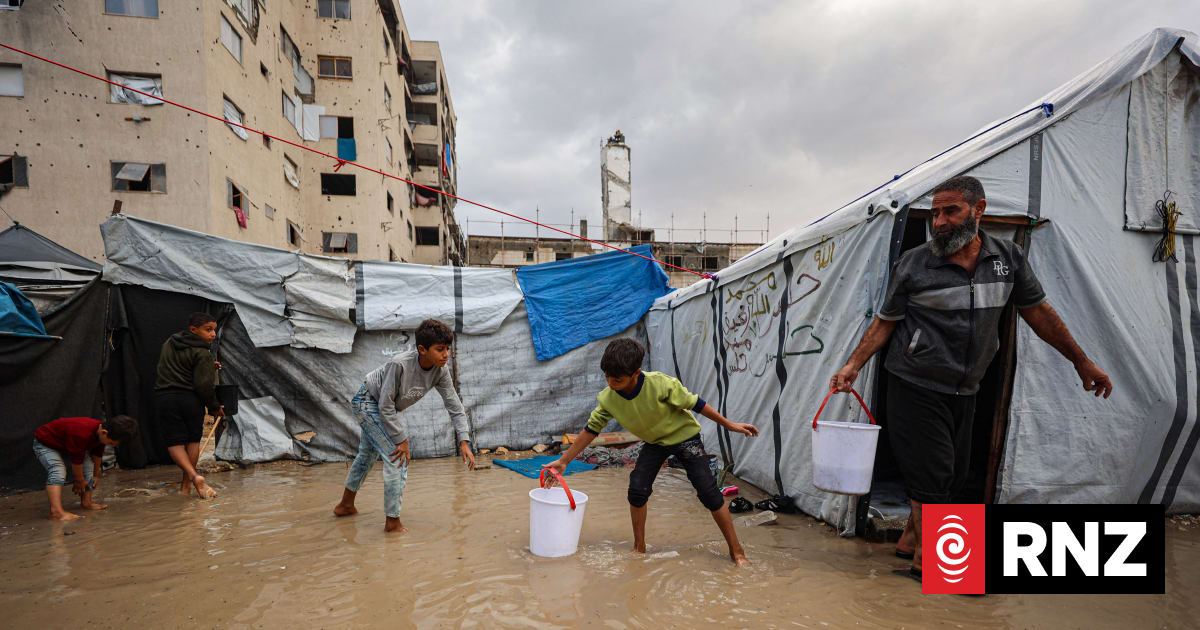
The World Health Organization warned on Friday of surging respiratory illnesses in Gaza, with worse expected after heavy rains flooded tens of thousands of tents housing displaced Palestinians.
"The numbers already show the pressure. Acute respiratory infections are 33,000 cases higher than at the same time last year," Dr Reinhilde Van De Weerdt, WHO representative in the Occupied Palestinian Territory, told reporters in Geneva from Jerusalem.
Poor living conditions and severe overcrowding are driving up infections as Gaza's population is squeezed into an ever-smaller area, WHO said. The crunch has worsened as the Israeli military expands its control by advancing the "Yellow Line" a demarcation established under October's US-brokered ceasefire.
"That means people are living in more crowded conditions, where of course the spread between humans of a virus is much more prone to spread,"Van De Weerdt explained.
The Israeli military told Reuters the Yellow Line aims to protect Israeli civilians and army troops from threats and that adjustments to its location follow the ceasefire agreement and international law, and are not intended to harm the civilian population.
"The IDF categorically rejects the claim that it operates to deliberately reduce the area available to the civilian population in the Gaza Strip."
COGAT, the Israeli military agency that coordinates aid, said that more than 93,000 tents and over 8600 trucks carrying tarpaulin sheets, blankets and winter clothing have entered Gaza since the Board of Peace, UN agencies and NGOs launched the winterisation plan. Equipment intended for the reconstruction of Gaza will be permitted to enter only after Hamas has been fully disarmed, it added.
Last week COGAT said that it had stepped up efforts to improve sanitary conditions before the heavy rain, in coordination with international organisations.
Respiratory infections currently make up 11 percent of all consultations, with the WHO expecting cold weather, flooding…
Opening of the article, excerpted from RNZ. To read the rest, open the article on the publisher's site.
MarketNews shows the headline and summary published by the outlet. The full article is on the publisher's website. (www.rnz.co.nz)