UN climate chief urges speed as COP31 confronts fossil fuel divide
详细摘要
Simon Stiell says climate talks have been constructive but calls for compromise as major fossil fuel producers and consumers resist new commitments.
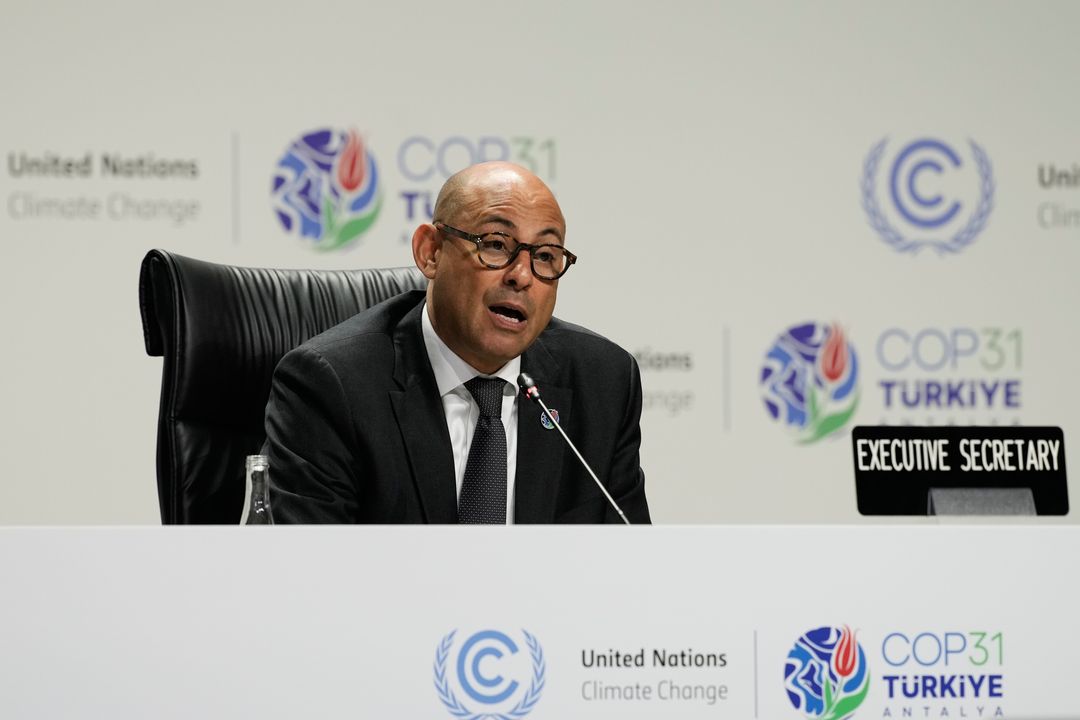
The UN's top climate official urged negotiators at the COP31 conference in Türkiye on Saturday to move swiftly towards a deal and "avoid tactical delays" as the summit heads into its second and final week.
The annual UN climate conference faces new challenges this year as a slew of crises from war to inflation push global warming down the list of priorities for world governments.
"Each country has a view. Every country has a voice. Getting agreement on every word, every sentence is tough but vital work," Simon Stiell told the summit. "There is no collective success without compromise from every party."
"As we head into the second week, I urge parties to move swiftly to the hardest issues and to avoid tactical delays."
Big fossil fuel producers and consumers at the talks are resisting any deal that would specify firm new targets or a shift away from oil, gas and coal, observers said, posing a challenge for summit host Türkiye and lead negotiator Australia to land the kind of ambitious agreement climate advocates say is needed to address global warming.
A UN report last month found the world is already on course to exceed the 1.5°C warming threshold, a limit scientists say should prevent the worst effects of climate change.
COP31 host Türkiye is striving to place a proposal to expand global electrification at the centre of an eventual deal, saying the plan will lead to faster emissions cuts by speeding the shift away from fossil fuel-powered cars, boilers, furnaces and other equipment.
The proposal does not require the increased electricity use to come from renewable sources, however, disappointing observers and delegations that want countries to more clearly map out their transition away from fossil fuels.
Major oil producers such as Saudi Arabia and Russia have traditionally resisted language constraining fossil fuels, while large developing economies such as India have opposed measures they say could limit their development and energy choices, a dynamic that has…
文章开头,摘自TRT World。如需阅读全文,请前往媒体网站。
MarketNews 仅展示媒体发布的标题和摘要,全文请在出版方网站阅读。 (www.trtworld.com)