Exclusive: Dur-e-Fishan Saleem on Zaryab's choices in 'Dar-e-Nijaat' and the meaning of love
Résumé détaillé
In an exclusive interview with Khaleej Times, the Pakistani actress opens up about relationships, emotional vulnerability, criticism and her ambitions beyond television ...
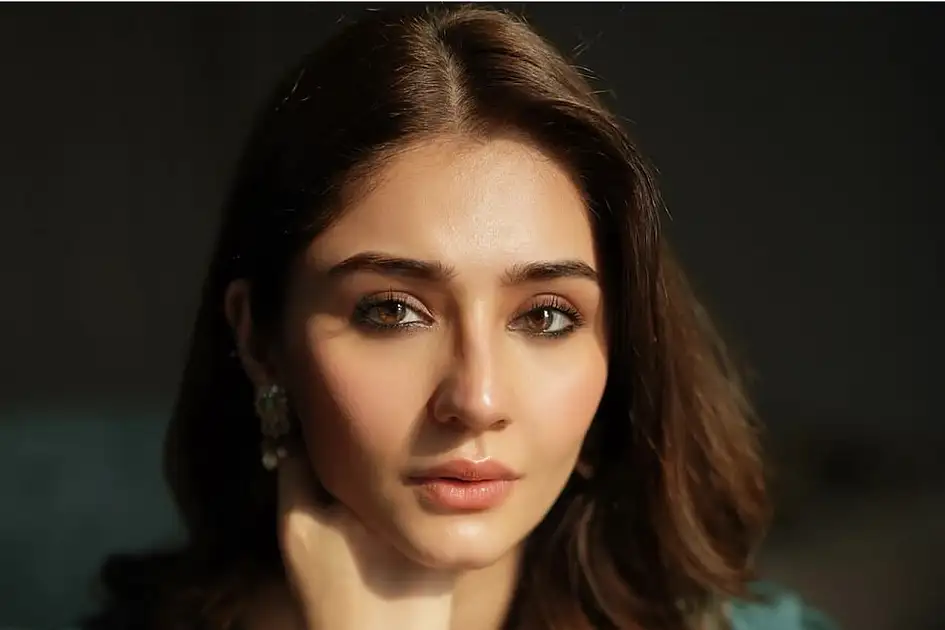
There are television characters who become popular, and then there are those who become a part of people’s lives. Zaryab, played by Dur-e-Fishan Saleem in Dar e Nijaat, belongs to the latter category.
Television has witnessed such phenomena before. Marina Khan became a household name after Tanhaiyaan, while Mahira Khan achieved a similar place in popular imagination with Humsafar. But Zaryab is different. Unlike the conventional female leads audiences have traditionally embraced, she is flawed, confused and emotionally vulnerable. She struggles with love, faith, self worth and the consequences of a relationship that left her questioning herself.
Consider a recent scene in which Zaryab picks up Abu Bakr’s phone while he is offering prayers. The expression on her face says more than words ever could, revealing a deep-seated fear of being abandoned again. Her previous relationship had left her questioning herself, believing she was too modern, that she had led her former partner towards sin and that she did not belong in his religious worldview. Now, even when happiness seems within reach, she struggles to trust it.
For the first time, Dur-e-Fishan opens up about playing Zaryab, a character who has sparked conversations about love, faith and self-worth. In an exclusive interview with Khaleej Times, the actress reflects on the complexities of her character, the criticism surrounding her choices and what the role has taught her about relationships and healing.
Success has not made her cynical about romance. It has made her clear. “When a woman is independent and has built a life for herself, she isn’t necessarily looking for someone to complete her. She’s looking for someone with whom she can share the life she’s already built.”
What is hardest to ask for, she says, is softness. “Perhaps the hardest thing to ask for is the freedom to be vulnerable. When you’re perceived as strong, successful or capable, people sometimes forget that you, too, need reassurance, tenderness and…
Z…
Début de l'article, extrait de Khaleej Times. Pour lire la suite, ouvrez l'article chez le média.
MarketNews présente le titre et le résumé publiés par le média. L'article complet se lit sur le site de l'éditeur. (www.khaleejtimes.com)